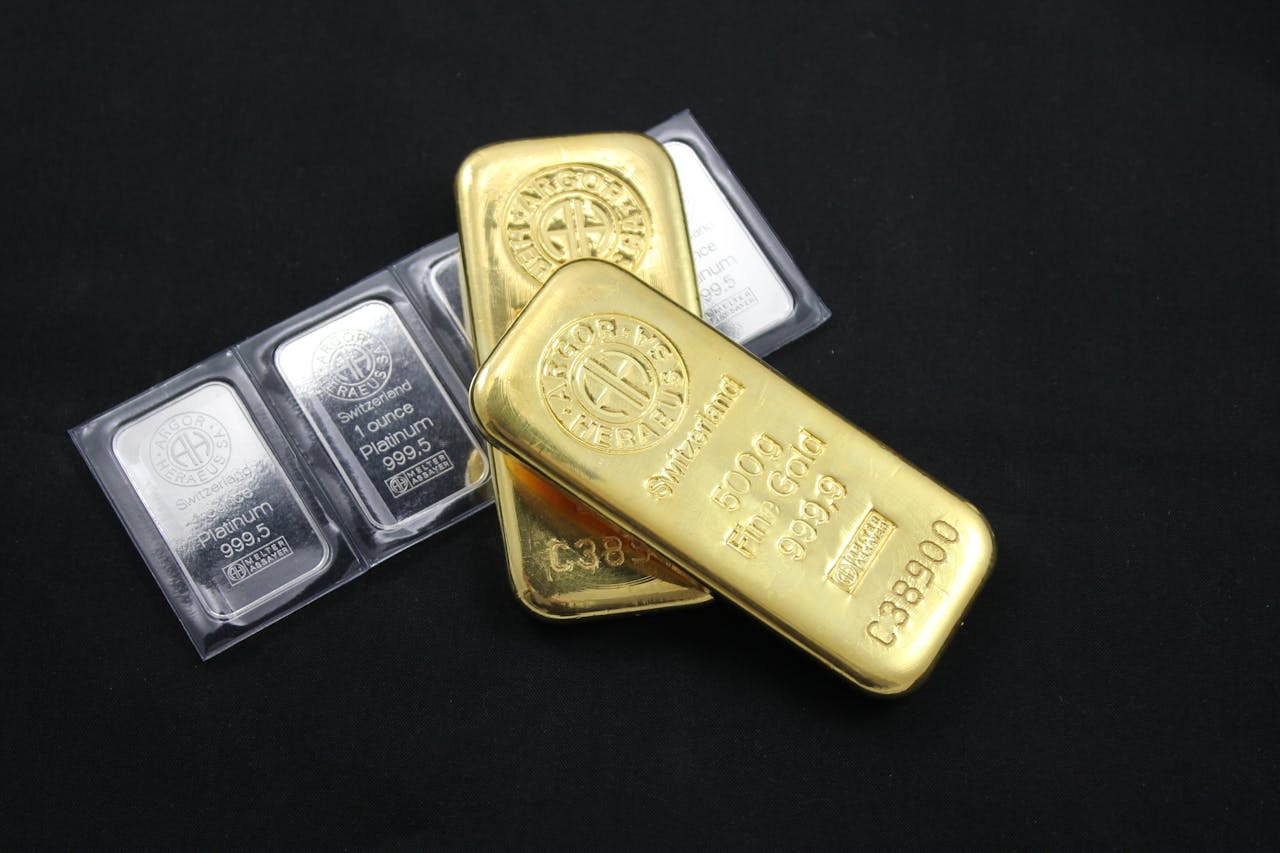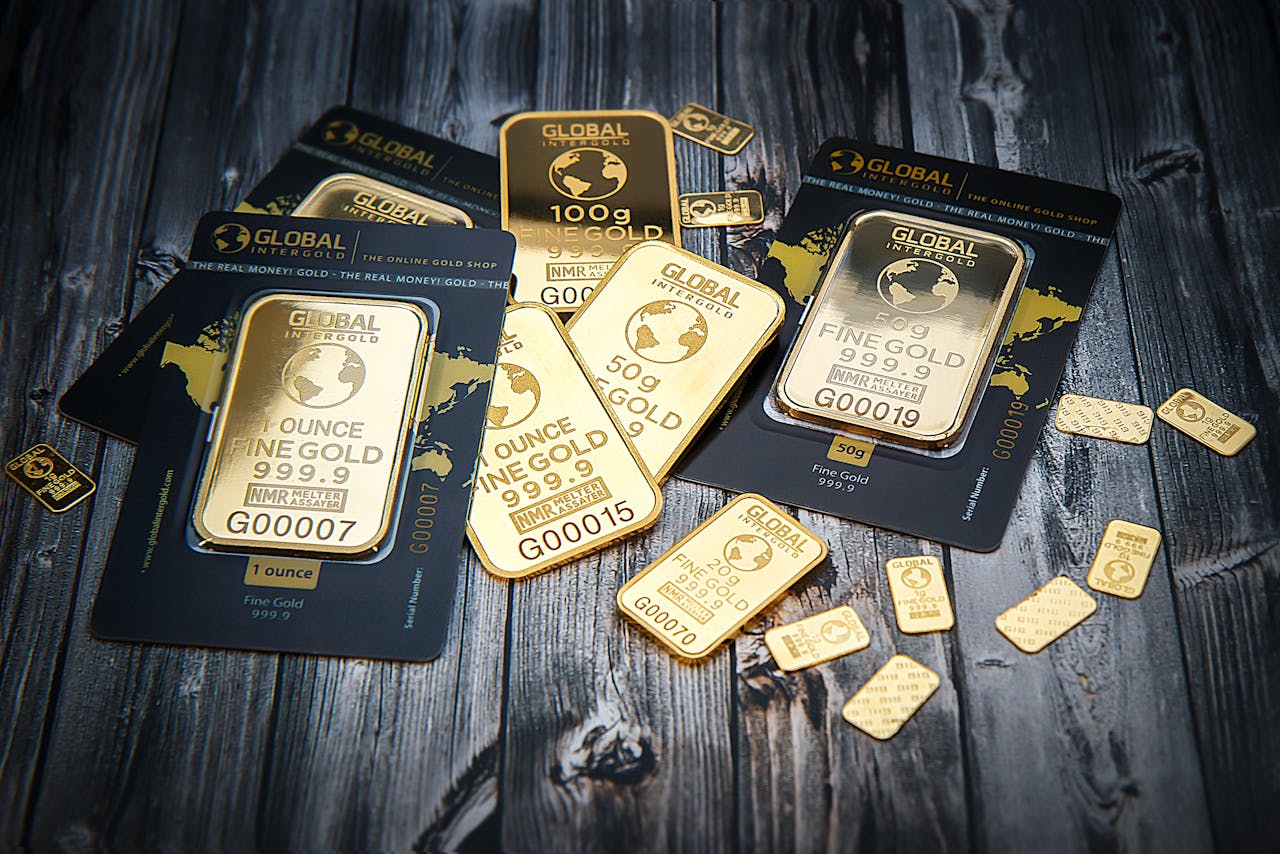


 In Stock

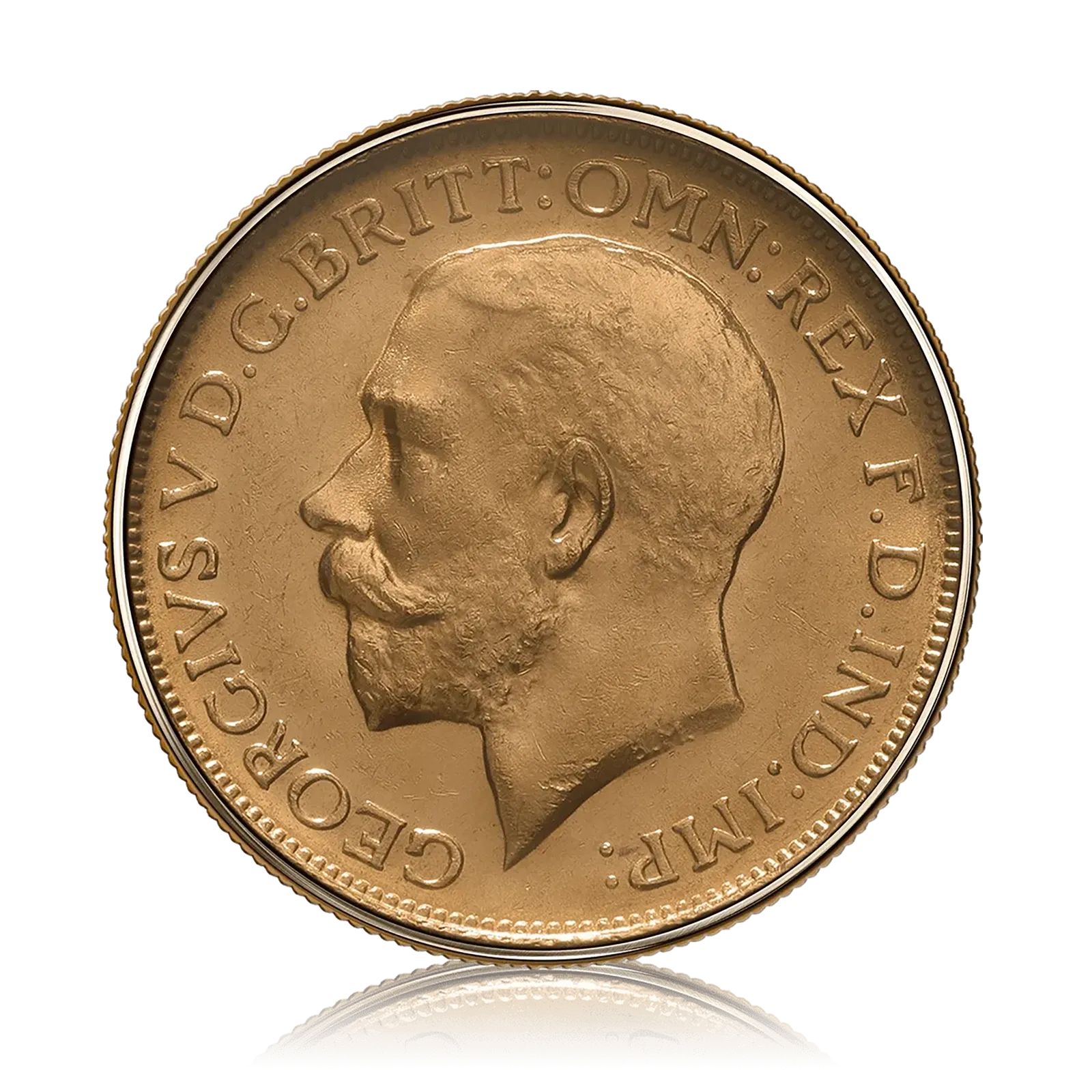
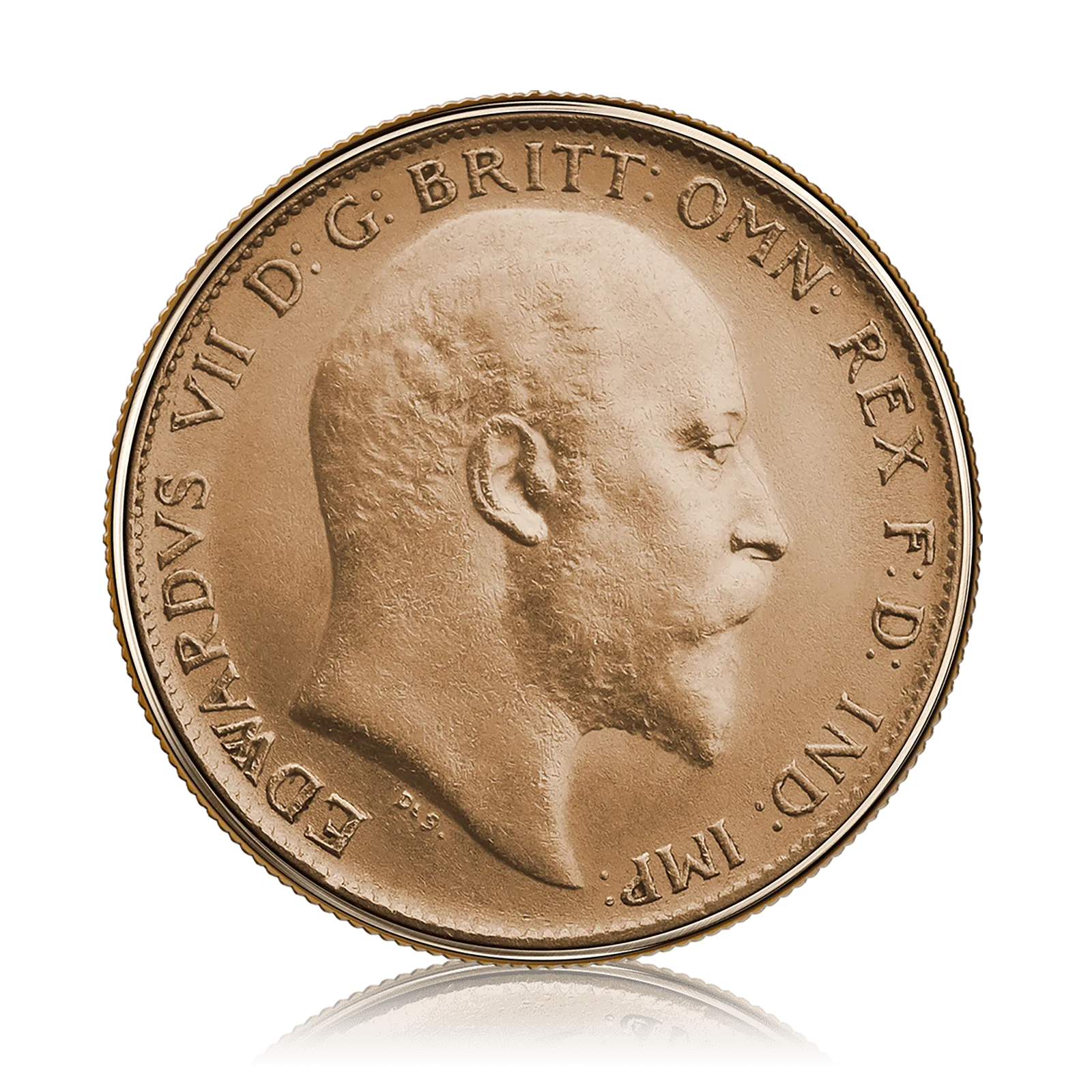
 Low Stock
Selling gold should be straightforward: there’s “a price”, you hand over your jewellery or coins, and you get paid. In reality, there are several prices, some jargon, and a few moving parts between the number you see online and the money that lands in your bank account. This guide breaks the process down—spot price vs what you’re actually offered, how dealers calculate payouts, which factors move gold day-to-day, and the practical steps you can take to maximise what you receive.
The gold price you see vs the price you’re paid
When people say “the gold price”, they usually mean the spot price—the live, international market price quoted per troy ounce (31.1035 g) in US dollars. UK dealers convert that into £ per gram and then add or subtract everything that makes the retail world go round (fabrication, hedging, logistics, margins). That’s why there’s often a gap between a headline price you Google and the figure a shop or online buyer offers you.
Think of it as a short “pricing chain”:
Global spot price (USD/oz) → FX into GBP → £/g reference → product specifics (carat, weight, brand) → costs & risk → your offer.
Each arrow introduces small but important adjustments.
The anatomy of a payout (how a dealer works it out)
Whether you’re selling a ring, a 1 oz coin or a small bar, most offers are variations of the same maths:
- Weigh it (accurate to at least 0.01 g for small items).
- Confirm purity (the carat, e.g., 9ct/14ct/18ct/22ct, usually via hallmark and testing).
- Calculate fine-gold content:
- Fine gold (g) = Total weight (g) × (carat ÷ 24).
- Example: 18ct = 18 ÷ 24 = 0.75 (i.e., 75% gold).
- Value the fine gold at the current £/g reference (derived from the global spot).
- Apply deductions or additions for:
- Refining and handling (especially for mixed scrap).
- Dealer margin and risk (price may move before metal is processed or resold).
- Product form (recognisable coins/bars with good provenance can achieve tighter spreads than broken chains).
- Condition/complexity (stone removal, solder, non-gold components).
A quick (hypothetical) example
- You bring in an 18ct necklace weighing 12.0 g.
- Fine gold = 12.0 × (18 ÷ 24) = 12.0 × 0.75 = 9.0 g.
- If the current reference were £50 per gram (illustrative), the melt value would be £450.
- Your actual offer will sit below £450 after the buyer accounts for refining, admin and a margin. The precise gap varies by firm and market conditions.
The same logic applies to 9ct, 14ct, 22ct, etc. For example, a 9ct item contains 37.5% gold; a 22ct piece contains 91.6% gold. The arithmetic is identical—only the purity changes.
Why coins and bars often pay closer to “spot”
Not all gold is equal in the secondary market. Buyers distinguish between scrap jewellery and investment bullion:
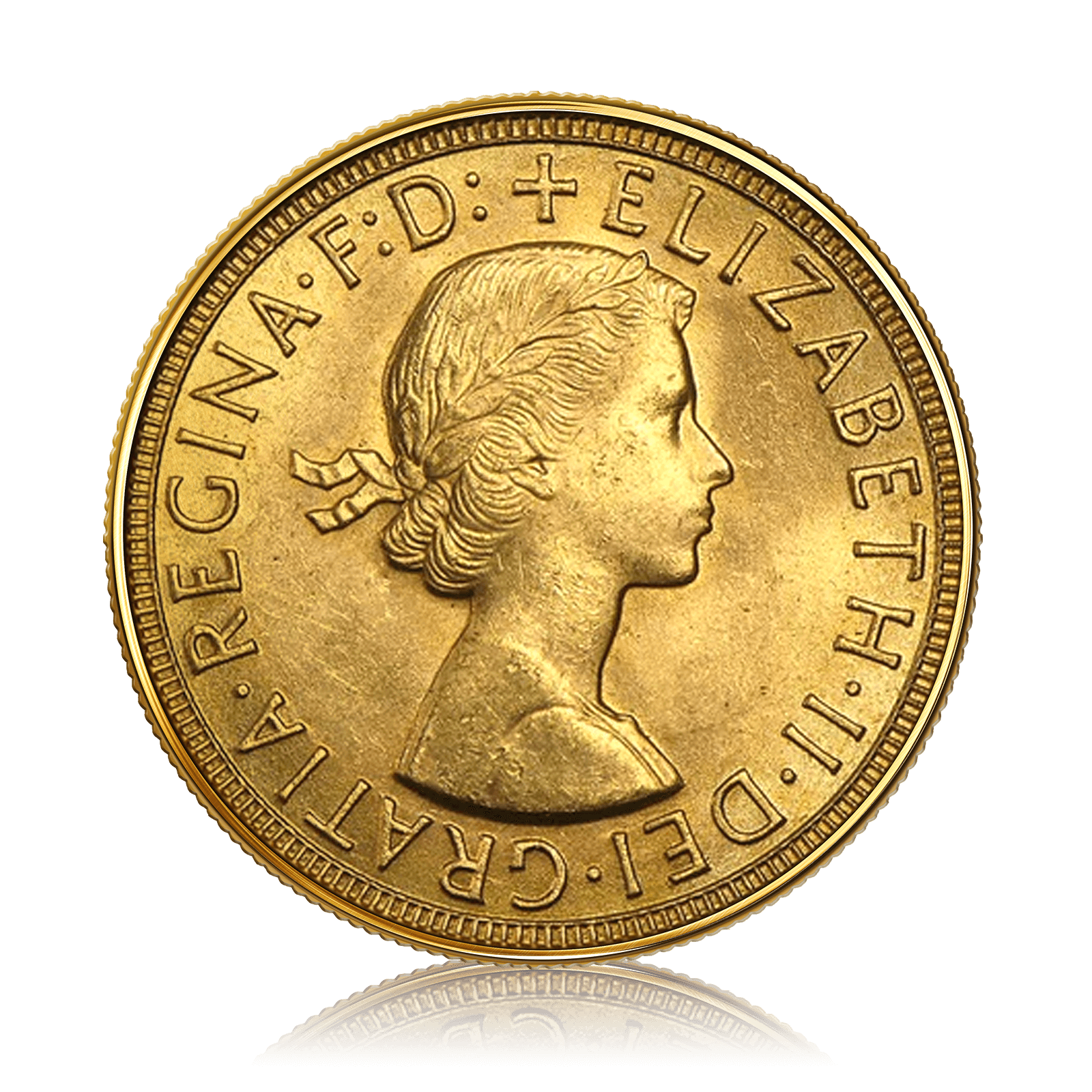
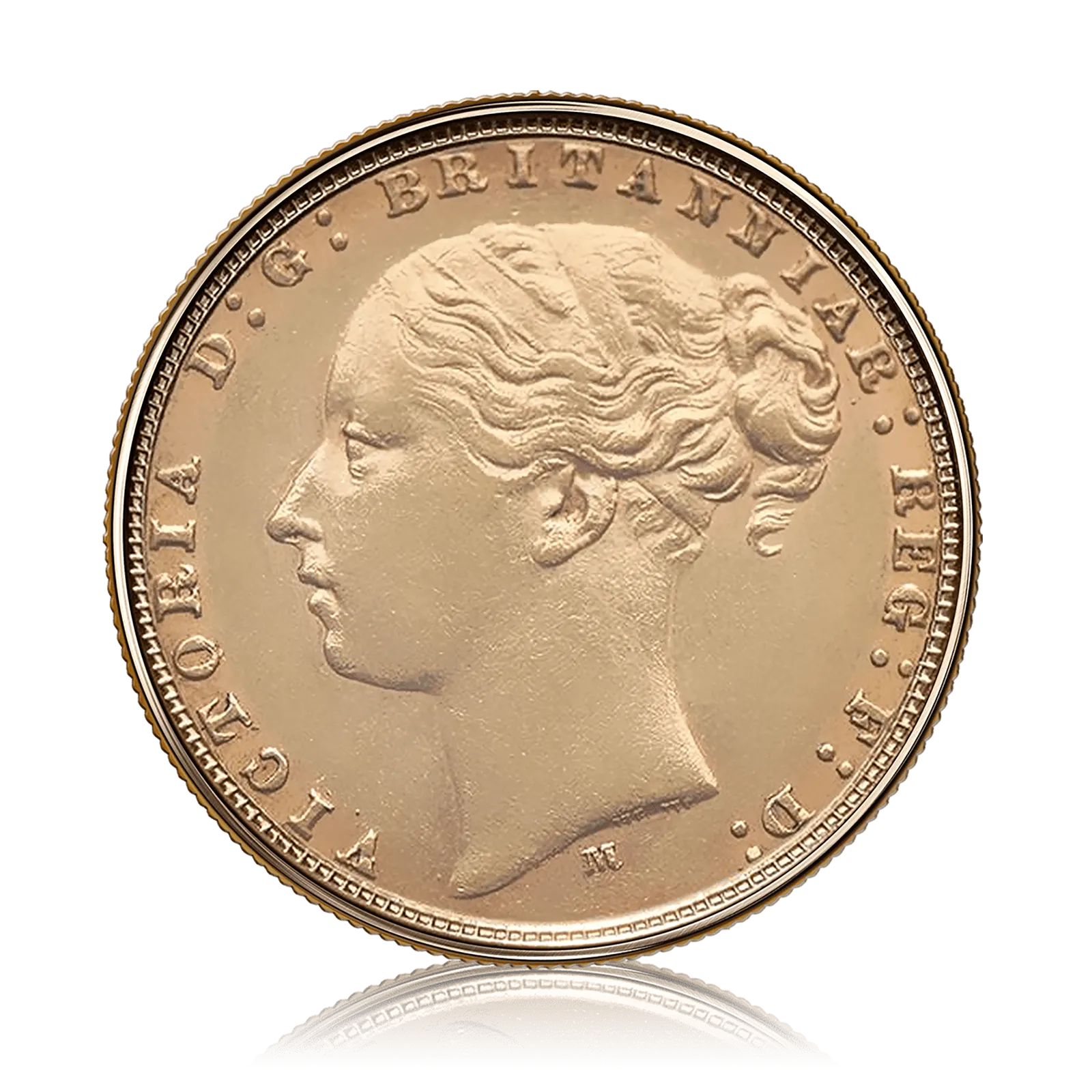
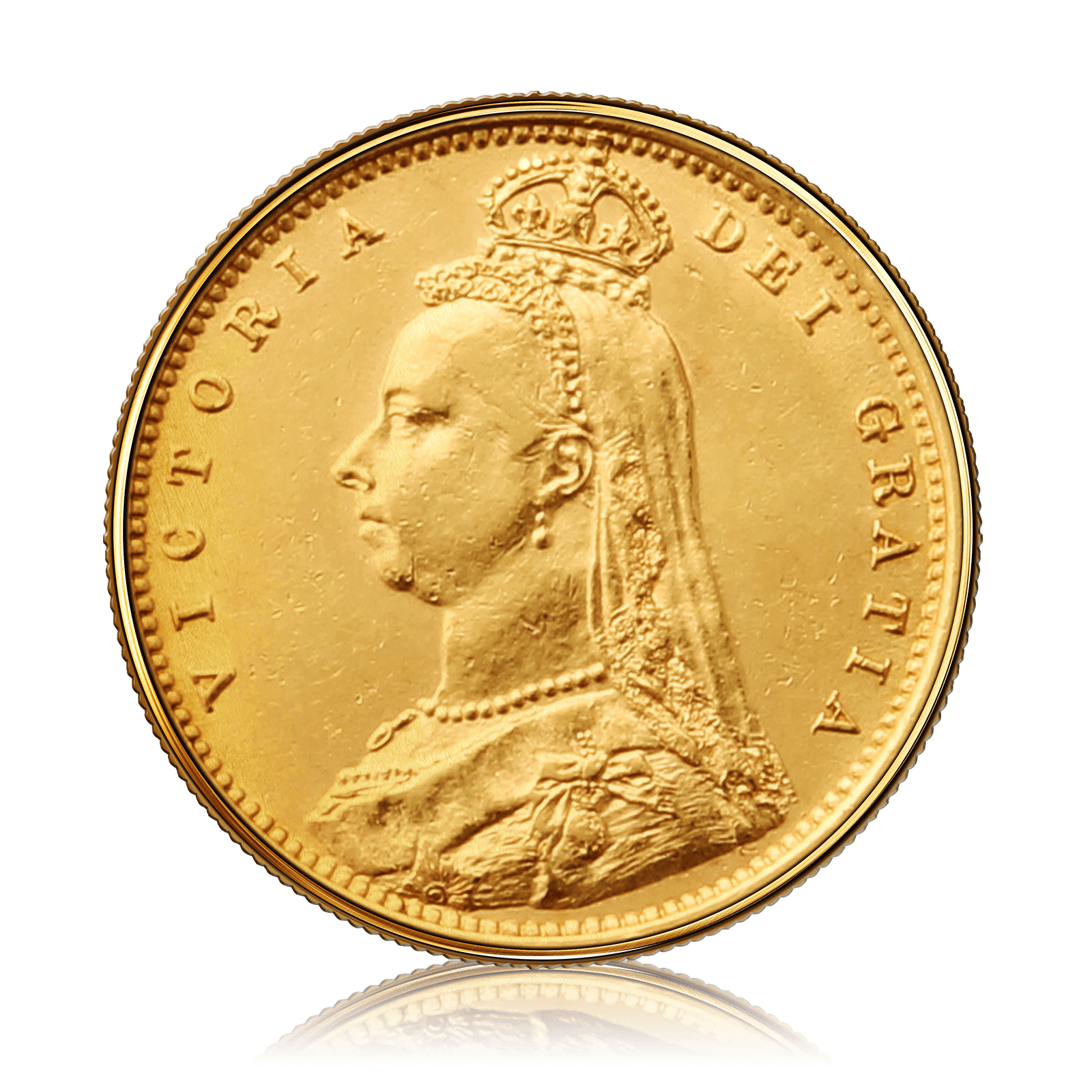
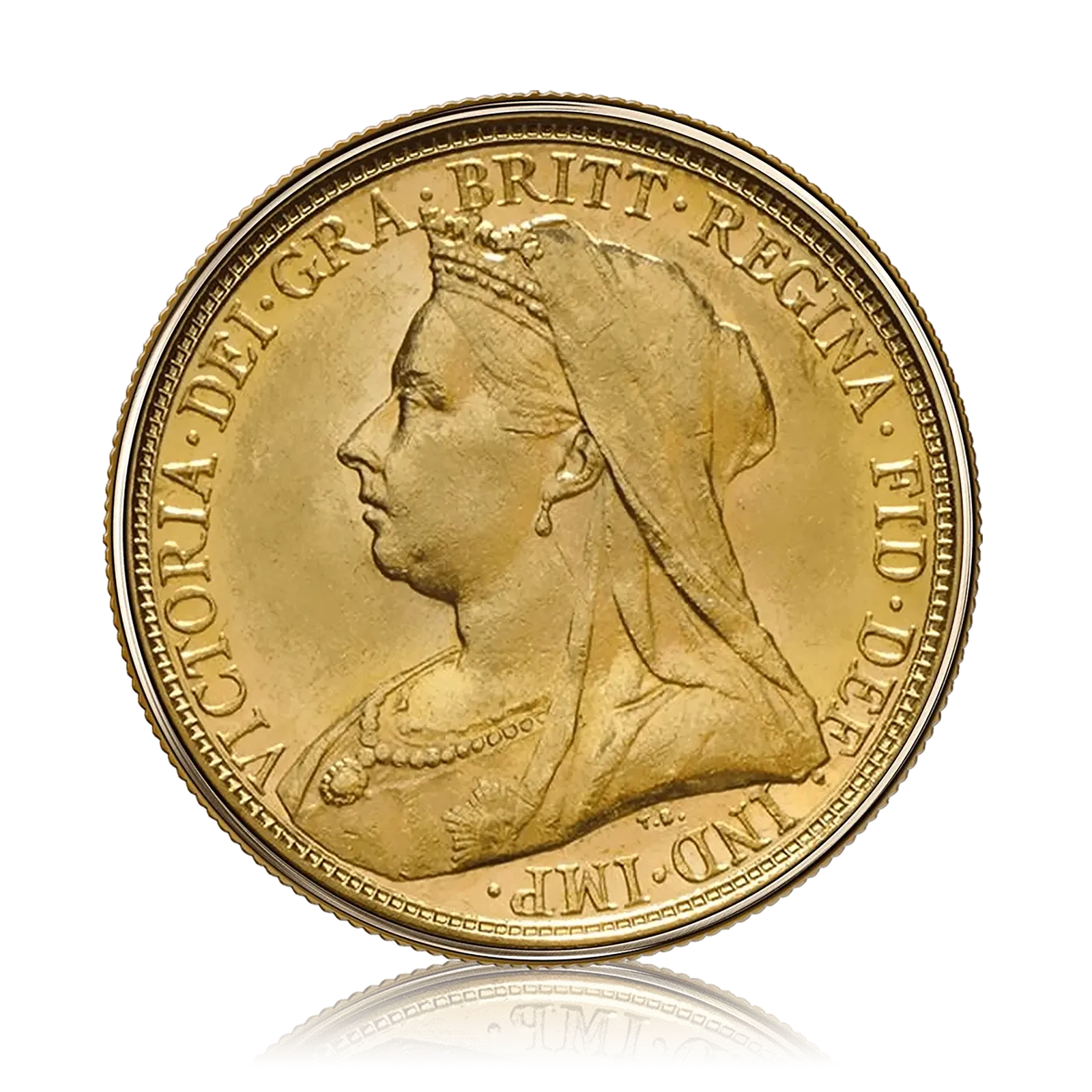
- Bullion coins and bars (e.g., recognisable 1 oz coins, serialised bars from well-known refiners) are easy to test, hedge and resell. Because they’re closer to market “money”, buyers typically work to tighter spreads. Your buy-back may be close to the metal’s live value minus a relatively small discount, assuming the item is standard and undamaged.
- Scrap jewellery is less standardised. Mixed carats, stones, clasps, solder and wear introduce more work and uncertainty. Scrap is usually melted and refined, so the offer reflects those extra steps.
This is why the same gram of fine gold can yield different payouts depending on form and recognisability.
Carats (ct) and how they change your outcome
Carat describes the proportion of gold in the alloy:
- 24ct ≈ 99.9% (pure)
- 22ct ≈ 91.6%
- 18ct = 75.0%
- 14ct = 58.5%
- 9ct = 37.5%
Two items that weigh the same will not pay the same if they differ in carat—because the amount of fine gold is different. Always sort and label your pieces by carat before getting quotes; it speeds the process and helps you sanity-check the maths.
Terminology tip: In the UK, carat is used both for gold purity and gemstone weight (in gems, 1 carat = 0.2 g). In some countries you’ll see karat for gold purity; the concept is the same.
Real-world frictions that lower (or lift) your offer
a) Stones, settings and non-gold parts
Jewellery is often weighed with stones, steel springs, clasps or solder. Buyers must deduct non-gold mass. If they remove stones, that takes time and risk; if they don’t, they’ll estimate and discount. Presenting items with stones already removed (when practical) can improve clarity.
b) Mixed lots
If you bring a jumble of 9ct, 14ct and 18ct, some buyers pay according to the lowest carat in the batch, or they will separate and test each group. Separation and accurate labelling protect you.
c) Testing and uncertainty
Acid tests, electronic testers and XRF spectroscopy are common. If a piece lacks a clear hallmark, a buyer may be conservative until testing confirms purity. Clear, legible hallmarks usually translate to tighter pricing.
d) Market risk and timing
Offers are anchored to the live market. Between a quote and receipt, prices can move—especially if you post items in. Many firms offer a price lock-in when your parcel is scanned or when you book a quote; others only lock on final testing. Understand the timestamp.
e) Brand and design value
For signed, desirable jewellery, selling as a pre-owned piece (via auction or consignment) can achieve more than melt value. Scrap buyers focus on metal; collectors pay for design. This route takes longer and may include commission, but it can be worth it for the right name and condition.
Currency and the “GBP effect”
Gold is quoted internationally in USD, but you’re paid in GBP. If the pound weakens against the dollar, the £ price of gold per gram can rise even if the dollar price is unchanged. Conversely, a stronger pound can dull the impact of a dollar-gold rally. This currency layer is one reason UK offers change intraday and why dealer screens refresh constantly.
Premiums, spreads and why smaller units cost more
If you’re selling investment gold back to a dealer, your payout is influenced by the same forces that affected the original purchase:
- Premiums are the amount above spot that retail buyers pay for fabrication, distribution and margin.
- Spreads are the gap between a dealer’s buy and sell price.
- Unit size matters: tiny bars and fractional coins typically carry higher per-gram costs than standard sizes, so their buy-back prices often sit a bit further from spot than a 1 oz coin or a 100 g bar.
As a seller, you’ll usually receive spot minus a discount that reflects how easily and profitably the dealer can resell that exact product.
Supply, demand and what moves today’s price
Short-term price moves are often about interest-rate expectations and the US dollar. Over weeks and months, investment flows (into/out of gold funds), central-bank purchases, and consumer demand in large markets (notably Asia) also nudge prices. In some countries, import duties and local premiums make the domestic price trade above or below the global reference. You don’t need to track every data release, but it helps to know that the number on the screen isn’t random—it responds to macro news and money flows.
Scrap vs bullion: two different conversations
It’s useful to know which conversation you’re in:
- Scrap: old rings, broken chains, single earrings. You’re selling metal content. Expect deductions for stones/steel and a clear link to melt value.
- Bullion: coins and bars. You’re selling a recognised product. Expect quotes closer to spot (minus a stated discount), assuming the item is standard and in good order.
Trying to sell scrap at bullion-like pricing leads to frustration. Equally, accepting a “scrap-style” price for a clean, recognisable bullion coin is leaving money on the table.
A practical checklist to maximise your payout
- Sort by carat
- Separate 9ct, 14ct, 18ct, 22ct. Photograph hallmarks.
- Weigh items at home
- Use a pocket scale for indicative weights (remove dust and debris). You’re not setting the price—just sanity-checking the ballpark.
- Remove non-gold where reasonable
- Obvious steel keyrings, non-gold chains attached to gold pendants, etc. Don’t damage the piece to do this.
- Decide route: bullion, scrap or pre-owned resale
- Coins/bars to bullion dealers; designer pieces to a specialist or auction; everything else to scrap buyers.
- Get multiple quotes
- Compare the full net payout, not just the headline £/g. Ask about fees, stone deductions, and the lock-in moment.
- Ask for the calculation
- Invite the buyer to write out: weight × (carat/24) × reference price − costs = your total. It shows professionalism and lets you check the numbers.
- Check identity and payment terms
- Reputable buyers will explain ID requirements, settlement times and dispute procedures. If posting, use insured shipping and follow the packing instructions exactly.
- Keep records
- Photos, weight notes, and a copy of the quote. If anything changes after testing, request the revised calculation before you agree.
Common pitfalls (and easy fixes)
- Mixing carats in one bag → sort first; label clearly to avoid being paid at the lowest common denominator.
- Assuming stone weight is “free” → buyers deduct non-gold mass; where possible, remove stones before weighing (but only if you can do so without damage).
- Comparing your offer to an online USD/oz headline → convert to £/g and remember the deductions; you’re not selling a futures contract, you’re selling a physical item.
- Ignoring product form → bullion coins/bars are not priced like scrap; use the right type of buyer.
- Accepting the first quote → get 2–3 quotes; competition keeps spreads honest.
- Forgetting timing → know when the price is locked. Intraday moves can change your outcome, especially on postal deals.
Taxes and paperwork (high level)
In the UK, many investment-grade gold bars and certain legal-tender bullion coins are generally exempt from VAT when you buy them new. Jewellery does not typically enjoy this treatment. Capital gains can arise on some disposals, though certain UK legal-tender bullion coins may be treated differently. Because rules and thresholds change, and personal circumstances vary, treat this as a prompt to check current guidance rather than a definitive ruling.
What “a fair offer” looks like
There’s no single magic number—different firms have different models. But a fair offer usually has the following hallmarks:
- Transparent calculation (weight, purity, reference £/g, line-item deductions).
- Recognisable product rules (posted buy-back rates for common coins/bars).
- Clear lock-in policy (exact moment and method).
- No surprise fees (or they’re clearly stated).
- Reasonable settlement time (same day or next business day after testing, in most cases).
If something feels opaque, ask the buyer to show you each step. The best firms are happy to do so.
A quick glossary
- Troy ounce (ozt): 31.1035 g. Used for precious metals.
- Carat (ct): Gold purity out of 24 parts (e.g., 18ct = 75% gold).
- Spot price: Live international market price, typically quoted in USD per troy ounce.
- Premium: Amount above spot paid for a physical product (fabrication, distribution, margin).
- Spread: Difference between a dealer’s buy and sell price.
- Melt value: Theoretical value of the fine gold in an item before costs and margins.
- Assay/hallmark: Official marks confirming metal fineness and maker.
Bringing it all together
What you’re paid today is the end result of a clear (but rarely explained) chain: a global spot price in dollars, converted into pounds, multiplied by the fine-gold content of what you’re selling, then adjusted for product type, condition, costs and risk. Know your carats, sort your items, weigh them, and ask for the calculation in writing. Choose the right channel—bullion desk for coins and bars, scrap buyer for broken chains, pre-owned specialist or auction for signed, desirable pieces.
Understand the process and you’ll negotiate with confidence, recognise a fair offer when you see it, and avoid the small frictions that quietly erode payouts. In a market that moves by the minute, clarity is your edge—and it’s the surest way to turn gold you no longer wear into the best possible number on your receipt.
Ready to sell silver online UK? At Gold Bank, you can also sell silver scrap, platinum bars, and start selling gold coins all in one place. Our process is quick and easy—request your free insured pack, send your items, and receive a professional valuation with same-day payment. We offer top rates, complete transparency, and decades of expertise in the industry. Whether you’re clearing out your jewellery box or liquidating an investment, Gold Bank provides a secure and convenient way to turn your precious metals into instant cash.