

 In Stock

 Low Stock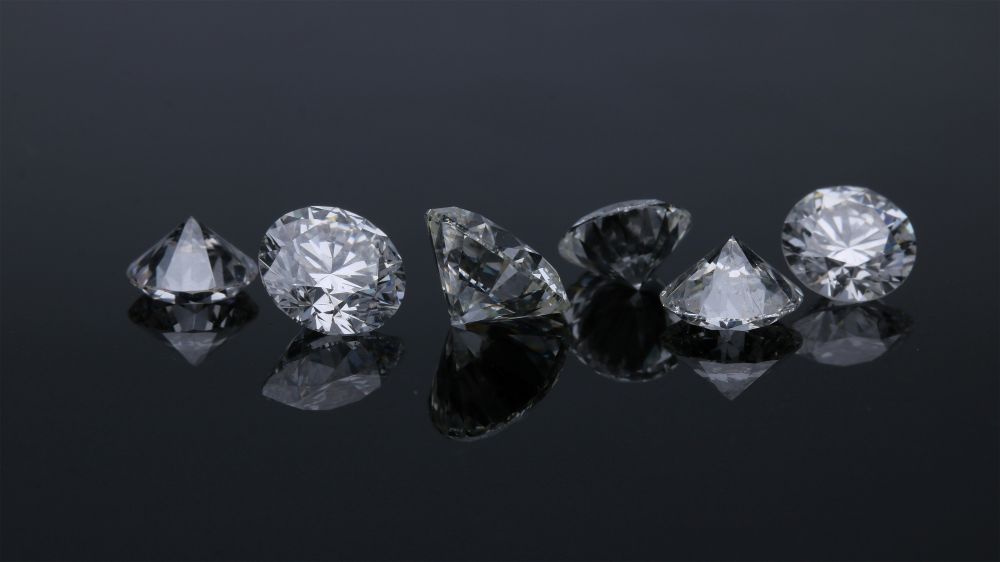
Diamonds are forever.
They’re also a girl’s best friend.
But when it comes to smart investing, is gold the real gem? Could it be your very own gold mine?
Thankfully we’ve got data – and not just old sayings – to help us figure out where to put our money.
With gold prices climbing and global markets doing their usual ups and downs (thanks, trade wars), you might be wondering where your money’s safest – or where it might even grow.
Both gold and diamonds are precious, tangible and valuable, so if you’re weighing them up as a potential investment, this guide is for you. Read on!
Diamonds as an investment
Let’s tackle each one by one. Sparkly, shiny, reflective diamonds have a powerful image associated with glamour and affluence. They’ve been immortalised in heist films, flaunted by royalty and whispered about in spy thrillers. With their glitzy image and hefty price tags, it’s easy to assume they must be a solid investment.
We hate to burst bubbles, but you came here for the facts, so we’re going to give them to you!
The truth is, the resale value of diamonds is anything but predictable. There’s no central marketplace for second-hand stones, and prices vary massively depending on the Four Cs: cut, clarity, carat and colour. Even then, buyers tend to pay far less than what was originally spent.
There’s no global ‘diamond price’ like there is with gold. Because every single diamond is different. But pure gold is just 24ct!
In fact, many experts agree that when it comes time to sell a diamond, you might only get back 30–50% of the original retail price, sometimes less.
It’s not that they don’t hold value, it’s that their resale market is fragmented and opaque, making them hard to treat like a traditional financial asset.
Gold as an investment
One of the reasons people invest in anything – whether that’s property, stocks or tangible assets – is to protect their wealth during economic uncertainty.
This is where gold comes into its own; unlike other commodities, gold is used as a hedge against inflation. When prices rise and markets get shaky, gold tends to stay strong. While fiat currencies can lose value fast, gold has a track record of holding steady through the ups and downs.
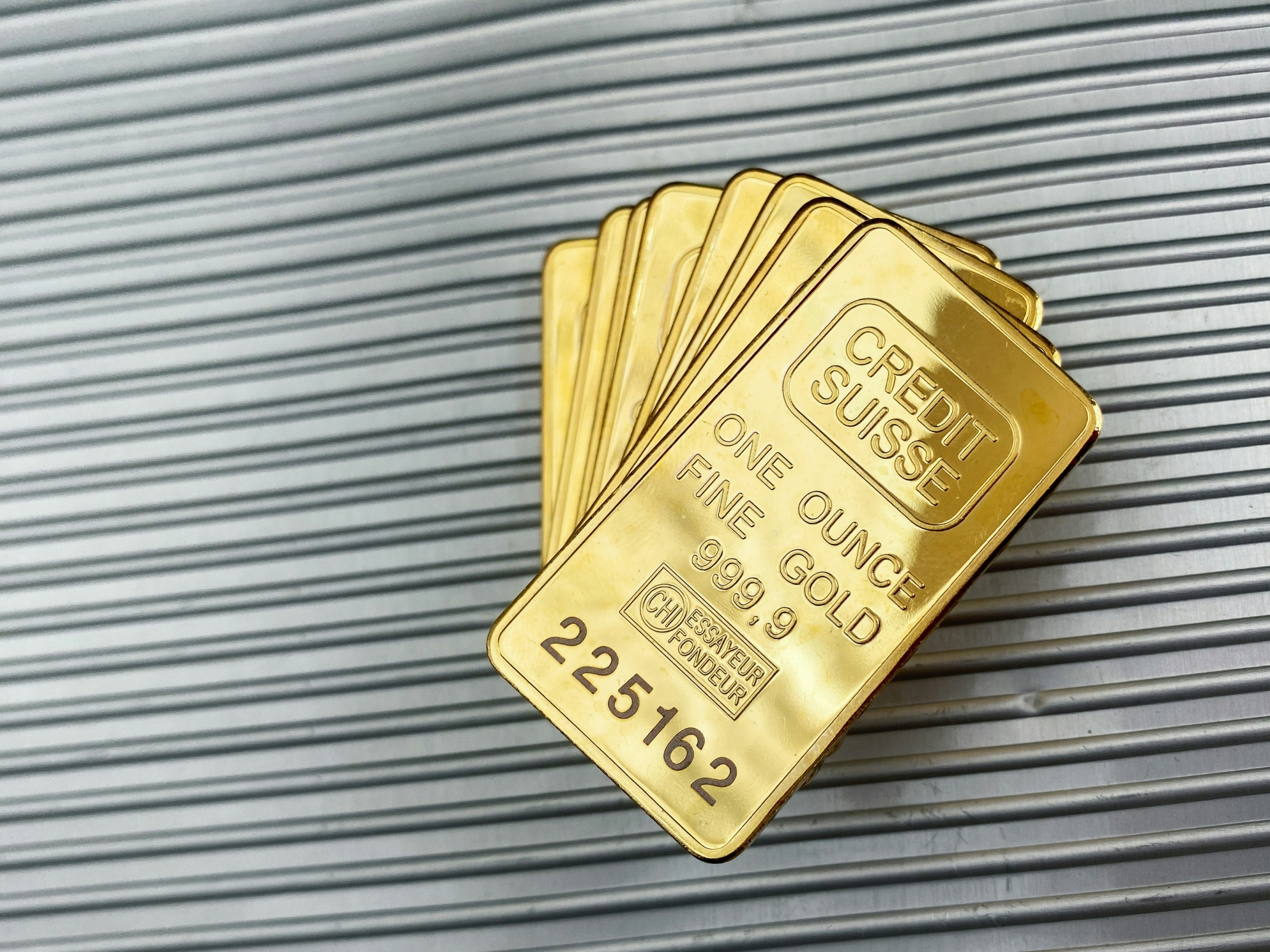
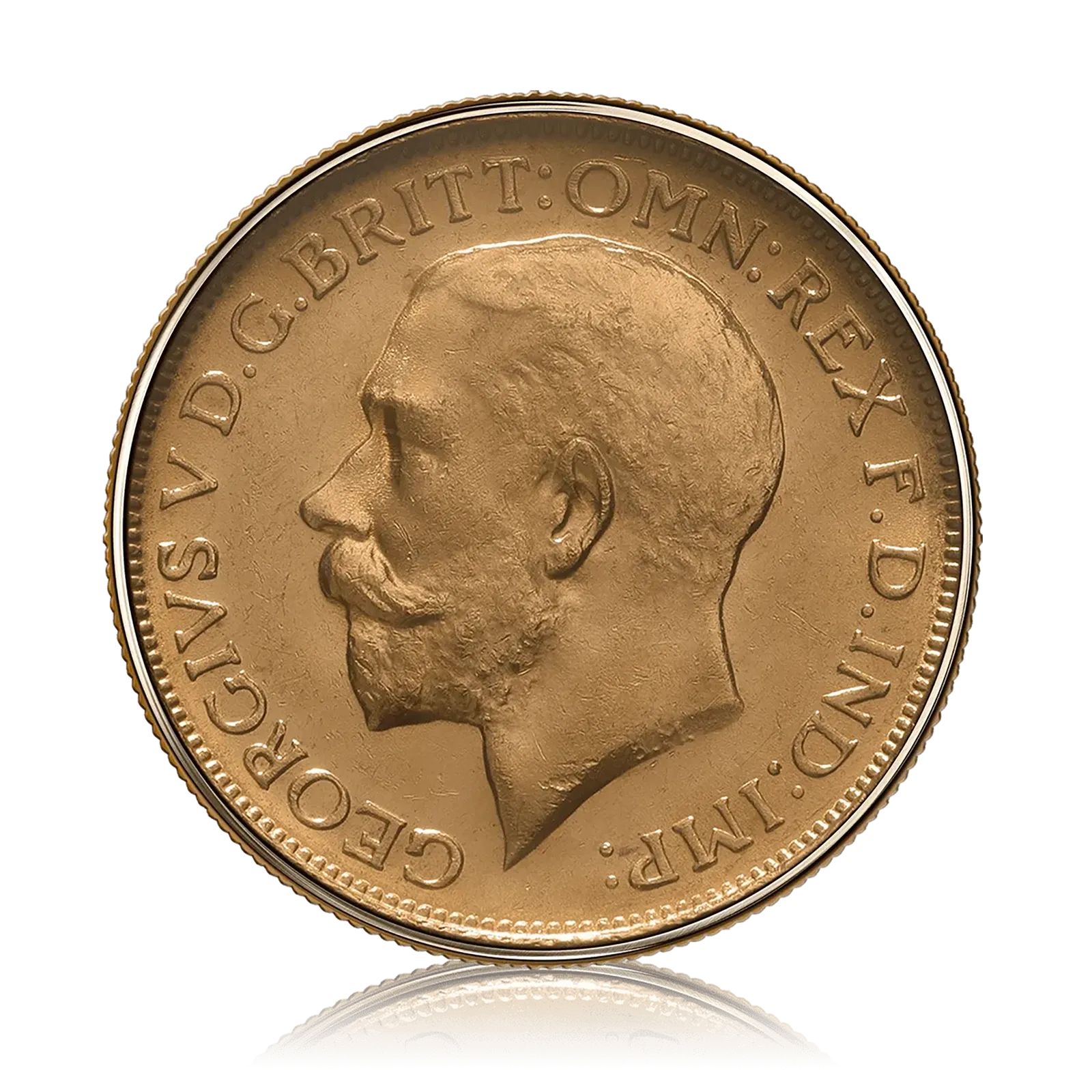
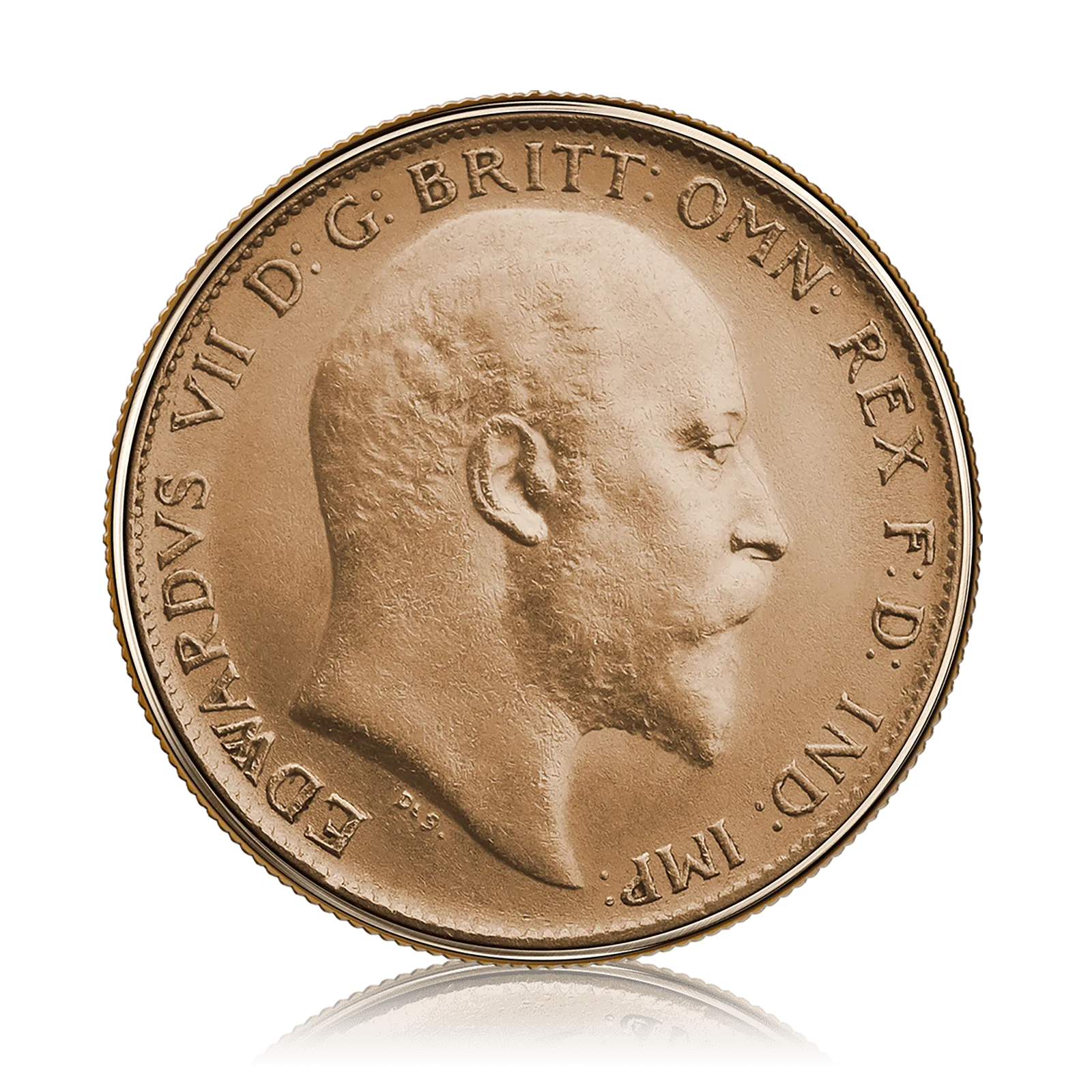
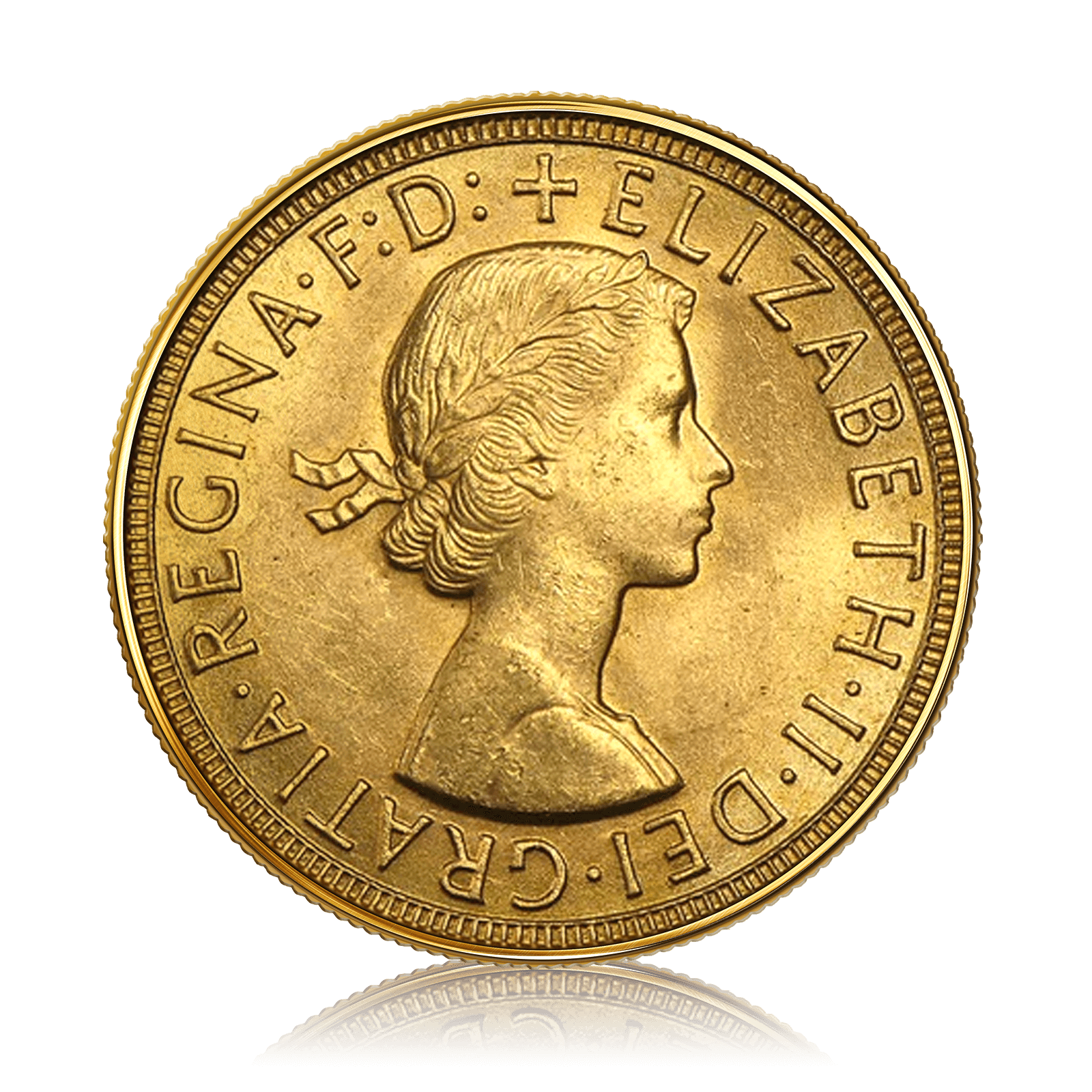
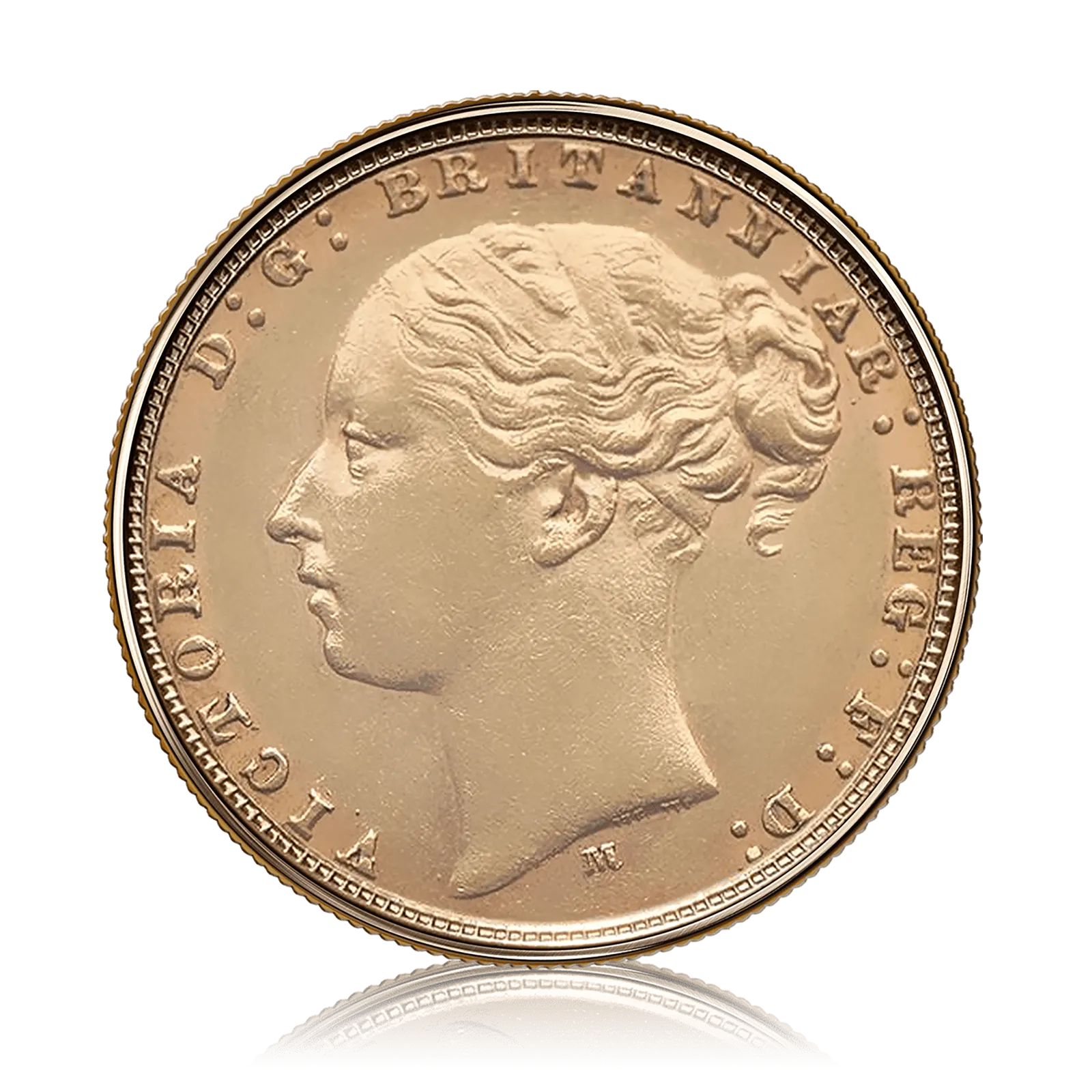
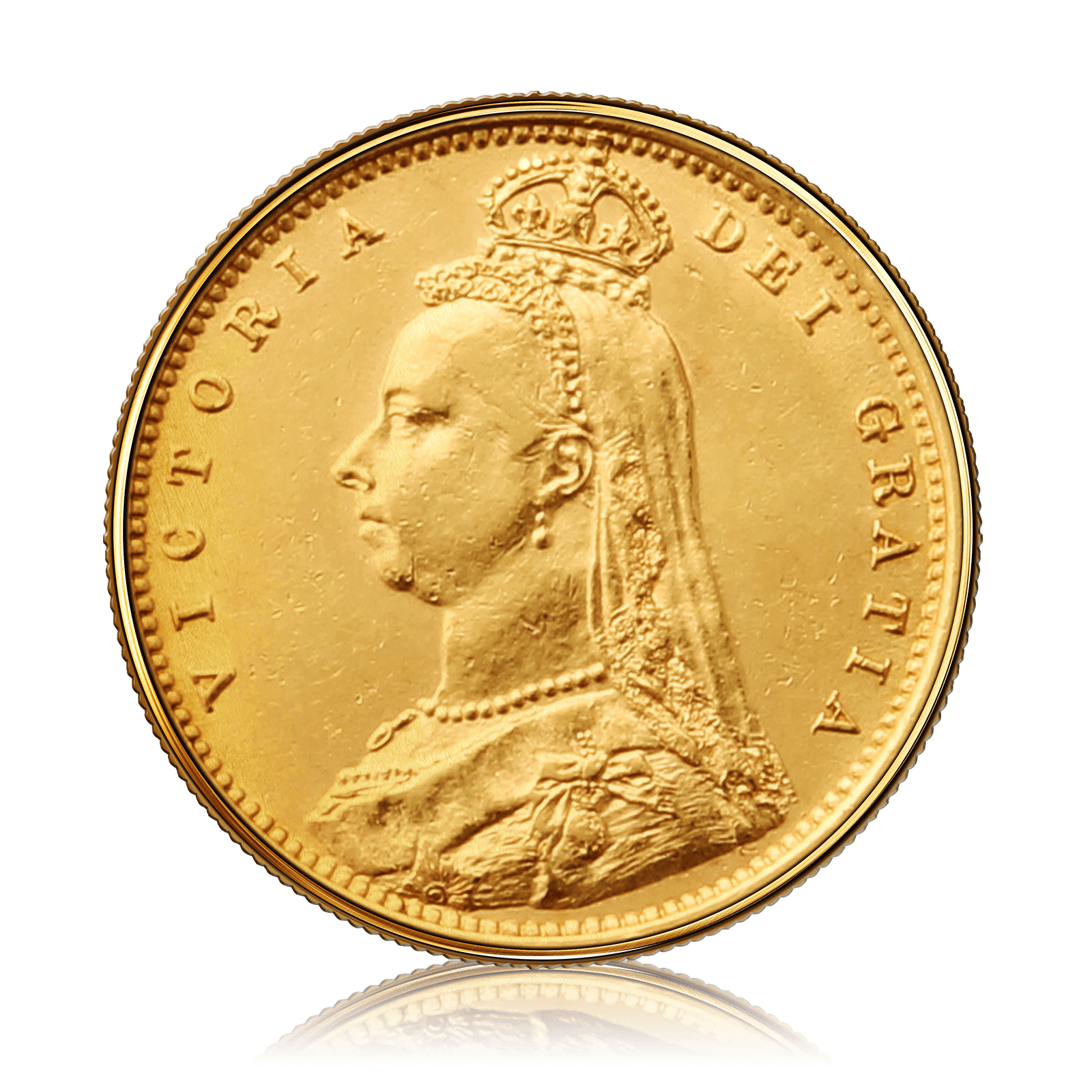
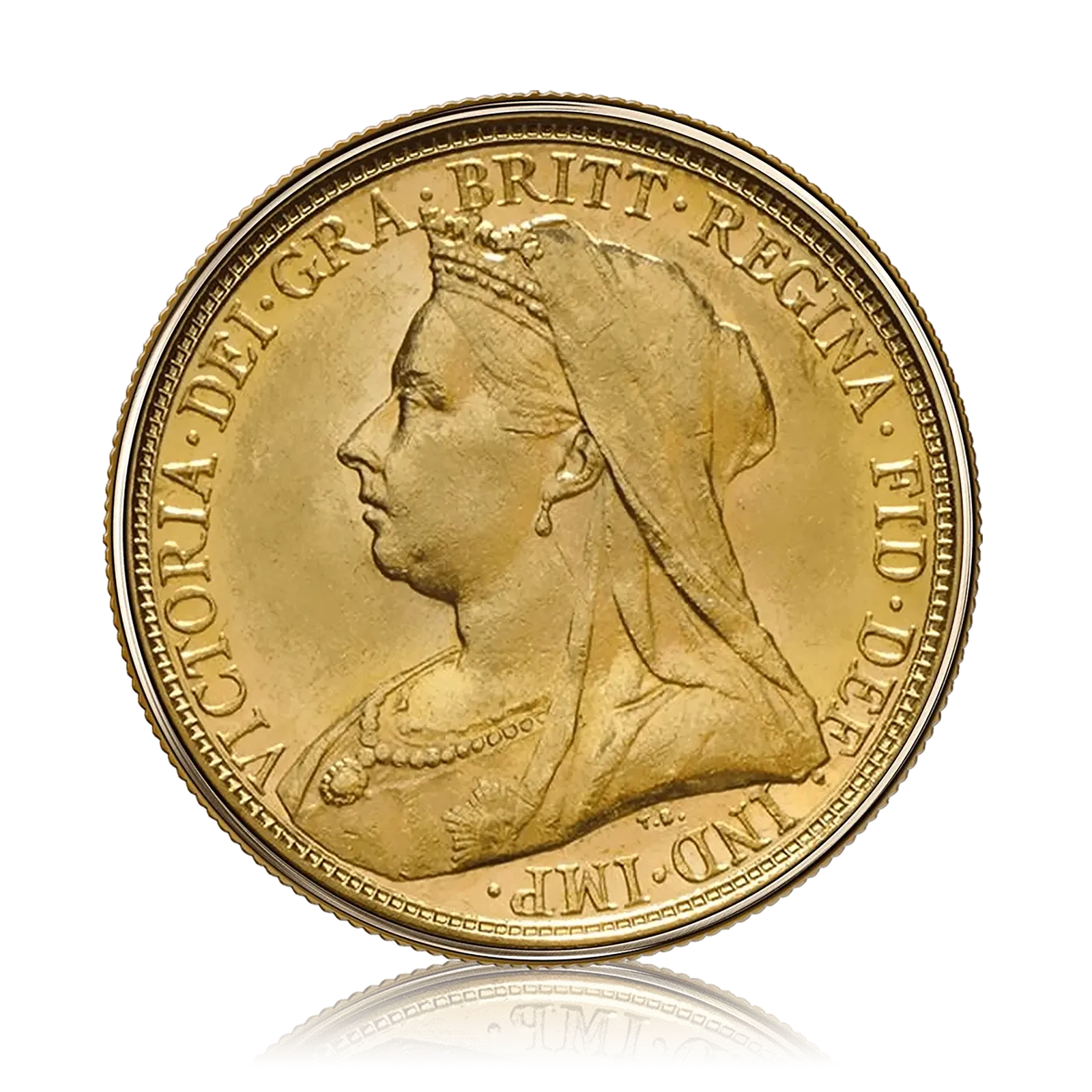
People buy gold in the form of coins and bars to preserve their wealth. They’re also easily transported and traded, or passed on from one generation to the next.
Unlike diamonds, its value isn’t based on trends or opinions, but on global market prices which fluctuate daily.
Put simply:
- It’s easy to value based on purity and weight
- It’s liquid and easy to sell anywhere in the world
- It’s recognised globally
- It’s stable over time and usually rises when markets fall
At the moment – 2025 – gold prices are hitting record highs, driven by market uncertainty and increased demand from both investors and consumers.
What happens when you try to sell diamonds or gold?
This is where the two differ immensely.
Selling gold is a straightforward process. A buyer will assess its purity (carat) and weight, then offer you a price based on the live market rate which is often within 90–95% of spot.
When selling diamonds on the other hand, it’s hard to know what a diamond is ‘worth’ unless you’ve had it certified. Even then, buyers often aim to purchase well below that valuation, particularly in the second-hand market.
You’ve also got to think about wear and tear. Investment gold is usually tucked up: safe, hidden and secure. Diamonds, depending on the format they’ve been set in, may have been worn and subject to the elements and incidental damage.
What about gold’s volatility?
As with any commodity, gold does fluctuate. That’s what makes it special (and keeps everyone on their toes!). But gold has delivered better returns than many major asset classes over the past three, five, ten and 20 years. It has a track record in hedging against inflation.
Diamonds however are not immune to changing tastes. What was desirable ten years ago may not be in style today. The advent of lab-grown diamonds means we now perceive rarity and value differently in gemstones.
So…which one’s more valuable in the long run?
| Gold | Diamonds | |
| Pricing | Transparent, market-driven | Subjective, buyer-dependent |
| Resale | Easy to sell, high liquidity | Harder to sell, low resale value |
| Investment appeal | Global, long-term stability | Emotional value, not financial |
| Storage | Compact, insurable, durable | Similar, but harder to value |
| Volatility | Moderate and predictable | Trend- and taste-sensitive |
What’s the takeaway? Gold is the more reliable option if you’re looking for financial value over time. Diamonds may hold sparkly appeal and perceived worth, but if you’re thinking like an investor (and a cautious one at that) gold wins on clarity, trust and historical performance.
A note on conflict diamonds
It’s important to consider the ethical dimensions if you’re thinking about buying diamonds. In the 1990s, conflict diamonds also known as blood diamonds, made up as much as 15% of the global rough diamond trade. They funded civil wars in countries like Sierra Leone and Angola. The Kimberley Process, introduced in the early 2000s to ban diamonds mined under such conditions, initially reduced that figure to below 1% of globally traded rough diamonds.
Yet critics point out serious flaws in enforcement and tracking. Smuggling, inconsistent oversight and narrow conflict definitions mean that human rights abuses can still slip through the cracks. So while 99% of diamonds are certified as conflict‑free, there’s an important nuance here, especially if ethical sourcing matters to you.
What about gold?
Gold isn’t without its own history of ethical issues; traditional mining has been linked to environmental damage and unsafe labour conditions. However, these days buyers have more choice. A growing share of the gold market is now made up of recycled gold, which is recovered from old jewellery and electronics rather than mined from the earth.
In fact, around 25-30% of global gold supply now comes from recycled sources and choosing it reduces the need for new extraction and lowers the environmental footprint. This makes it a more sustainable option for people who want to invest without compromising on ethics.
Still weighing up gold or diamonds? Diamonds may be forever, but gold’s transparency, stability and global value speaks for itself. When you’re ready to explore your options, we’re here. Find out more at Gold Bank.