

 In Stock

 Low Stock
If you’re at the beginning of your gold buying or selling journey, it’s easy to assume it should be straightforward. What could be so tricky? You check the price, weigh the gold, do the maths and expect a clear answer.
But for beginners, it almost never works that cleanly. The reality can be a bit messier, not because anyone is trying to trick you, but because gold operates within its own set of units, rules and processes that most people haven’t encountered before.
With that in mind, and based on real experiences from first-time buyers and sellers, here are 17 things gold buyers wish they’d known before they got into buying and selling gold. Hopefully, they’ll help you avoid a few surprises along the way.
1. “But Google said it was worth more”
James walked into the bullion store confidently. He had weighed his chain at home, checked the gold price online and even written the value he expected to receive in his notes app. When the offer came in lower, his stomach dropped. He replayed the maths in his head. Same weight. Same price. So where had the money gone?
What James didn’t realise was that the price he’d seen was a wholesale benchmark, built for refinery-scale volumes. It assumed none of the real-world costs involved in buying scrap gold from an individual. By the time his chain was tested, processed, refined and hedged, those costs had already been baked into the lower price he was offered.
Lesson learned: The spot price is a reference point, not a guaranteed payout. Scrap gold is never paid at “full spot” in the real world.
2. “I didn’t realise ounces weren’t ounces”
Priya had weighed her gold at home and calculated its value using ounces, assuming that was how gold was measured. An ounce is an ounce, right? When her gold was weighed in store and the figures came back different, she was confused. Were her scales, or even the gold buyer’s scales, wrong?
The problem was actually surprisingly common. Gold isn’t priced in standard ounces at all. It’s priced in troy ounces, which are heavier. That small difference is enough to throw off any valuation done using kitchen scales and online prices.
Lesson learned: Gold pricing runs on its own measurement system. Use the wrong units and the numbers will never line up.
3. “My 9ct chain beat my 18ct ring”
Tom laid all his jewellery out on the table before heading to his local jeweller. The 18ct ring was the piece he expected to fetch the highest price. It was higher carat, newer and, in his mind, that settled it. He didn’t expect to get much from the 9ct chain.
When everything was tested and weighed, it was the chain that paid more. Not because it was better quality, but because it was heavier. Once the gold content was broken down, there was simply more recoverable gold in the chain than in the ring.
Lesson learned: Carat tells you purity, not value. Total gold weight is what drives the price.
5. “But it had a hallmark”
Helen almost left a snapped bracelet out of the parcel altogether. She assumed there was no point sending something that was already broken and even added a note apologising for its condition, as though the damage needed explaining.
When the valuation came back, it matched an identical intact bracelet exactly. The break hadn’t mattered at all because the gold was being valued for what it would become, not what it looked like when it arrived.
Lesson learned: Buyers don’t care about your gold’s condition. Scrap value is based on melt, not appearance.
6. “I assumed hallmarks worked the same everywhere”
Marco bought a piece of gold while travelling in Italy, sold as 18ct and stamped 750. The markings didn’t look like a UK hallmark, but 750 clearly signalled 18ct gold, so he assumed it would be treated the same way back home.
When he later sold it in the UK, the gold was tested and came back slightly lower than he expected. Not by much, but enough to affect the valuation and raise questions.
In the UK, an 18ct hallmark is tied to a very specific purity threshold and backed by a UK assay office mark. In Italy and other European countries, hallmarking systems are legitimate but work to slightly different tolerances and conventions. The gold hadn’t been mis-sold, it simply didn’t translate one-to-one when tested under UK standards.
Lesson learned: Hallmarks are legitimate within their own systems, but they don’t always map directly across borders. Testing is what ultimately determines value.
7. “Where did the weight go?”
Sarah weighed her jewellery at home before sending it off and had a specific weight in mind. When the valuation came back, the figure didn’t match what she was expecting. The gap was small, but enough to cause that immediate flicker of panic. Had something been taken away?
Something had, just not anything valuable. Clasps, springs and internal pins had been removed before valuation. None of them were gold. They were taken out so the remaining weight reflected gold content only.
Lesson learned: Payable weight reflects gold content, not total item weight. Home scales can’t show what’s inside.
8. “The colour made me think it was worth more”
Sam and Emma had different pieces, but the same assumption. Sam expected his white gold to sit at the premium end because it looked clean and modern. Emma assumed her rose gold would command more because it was very much in fashion.
When both pieces were tested, the valuations didn’t match Sam and Emma’s expectations. White gold gets its colour from alloy metals like palladium or nickel. Rose gold gets its colour from copper. The colour itself doesn’t add value, and the amount of pure gold depends entirely on the carat, not the appearance. In both cases, the gold content per gram was the only thing driving the price.
Lesson learned: Colour in gold is about style, not value. The market pays for gold content, not aesthetics.
9. “Gold-plated fooled me completely”
Aisha sent off a necklace that felt solid and looked convincing. Based on the weight alone, she assumed there would be a reasonable payout.
When the valuation came back, it was barely anything. Once it was explained, it made sense. The gold layer was microscopic, just a thin coating over a base metal. Once that coating was removed, there was almost no recoverable gold left.
Lesson learned: Gold-plated and gold-filled items often look valuable, but they rarely contain enough gold to be worth much as scrap.
11. “I hadn’t realised what actually happens to scrap gold”
Mark hesitated before sending his ring in. It wasn’t especially valuable, but he assumed it would either be cleaned up and resold or judged on how it looked. The fact that it was scratched and slightly cracked made him wonder whether it was even worth bothering.
What actually happened was much simpler. The ring was sent for refining, where it would be melted down and processed back into near-pure gold before being reused in any form. Its condition, age and appearance made no difference at all.
Lesson learned: Scrap gold isn’t reused as jewellery. It’s refined back to raw gold, so condition doesn’t affect value.
12. “I didn’t realise the price wasn’t locked in”
Imran liked the offer he was given and decided to sleep on it. Gold prices had been strong for weeks, so he assumed nothing much would change overnight. By the time he confirmed the next morning, the price had moved and the revised offer was lower.
The reason was that the price he had seen hadn’t been fixed. Gold prices move constantly, and until an offer is accepted, it continues to float with the market. Buyers who do lock prices only do so once there’s a firm agreement in place, usually by hedging their exposure elsewhere.
Lesson learned: Always know when a price is fixed. Until it is, market movements can and do affect the outcome.
13. “I didn’t realise how important it was to compare offers”
Nadia got two valuations for the same gold and was surprised that they didn’t match. The items were identical. The weight was the same. Yet the offers were different.
Both were legitimate. The difference came down to how each buyer operated behind the scenes. Testing methods, refining routes, volumes and margins all vary. Unlike bullion, scrap gold isn’t priced from a single fixed rulebook, so those differences can show up in the final figure.
Lesson learned: Scrap prices can vary for valid reasons. Comparing offers can materially change what you get paid.
14. “I didn’t realise the stones didn’t count”
Farah weighed her ring at home but when the offer came back, it didn’t match what her scales said her calculations.
What she hadn’t factored in was the stones. Before valuation, the gemstones were removed and only the metal was weighed. If she wanted value from the stones, there were a few options. She could have them returned loose and keep them, take them to a specialist jeweller or gem dealer for a separate valuation, or, in rarer cases, leave them in the setting if a buyer explicitly offered to value them. In this case, the buyer was pricing the gold alone.
Lesson learned: Only the gold counts towards scrap value. Stones are handled separately and need their own route if you want them valued.
15. “I didn’t realise I’d need ID to sell my gold”
Ravi was selling gold for the first time and was caught off guard when he was asked for identification. He hadn’t expected it for a straightforward sale and he wondered why it was necessary at all.
Gold transactions fall under anti-money laundering rules, and buyers are legally required to verify identity once certain thresholds or conditions are met. It’s purely a compliance step, and not a comment on the seller.
Lesson learned: ID checks are a legal requirement in gold transactions.
15. “The home purity test gave me more confidence than it should have”
Nisha wanted a clearer sense of her gold’s purity before selling, so she bought a home testing kit. She knew it was only meant as a guide, but once she’d done the test and read the result, it felt pretty authoritative. The reading suggested a high purity, and she went into the sale feeling quietly confident.
When the gold was professionally tested, the result came back lower. Not dramatically, but enough to affect the valuation and feel disappointing. The kit hadn’t failed, it had simply done what it was designed to do: give an indication, not a precise measurement.
Lesson learned: Home test kits can be useful, but they’re not definitive. Only professional testing determines value.
16. “I didn’t realise coins and bars weren’t treated the same”
Oliver assumed gold was gold. A gram of gold in a bar felt no different to a gram of gold in a coin, as long as the purity matched. He focused on the price movement and didn’t think much beyond that.
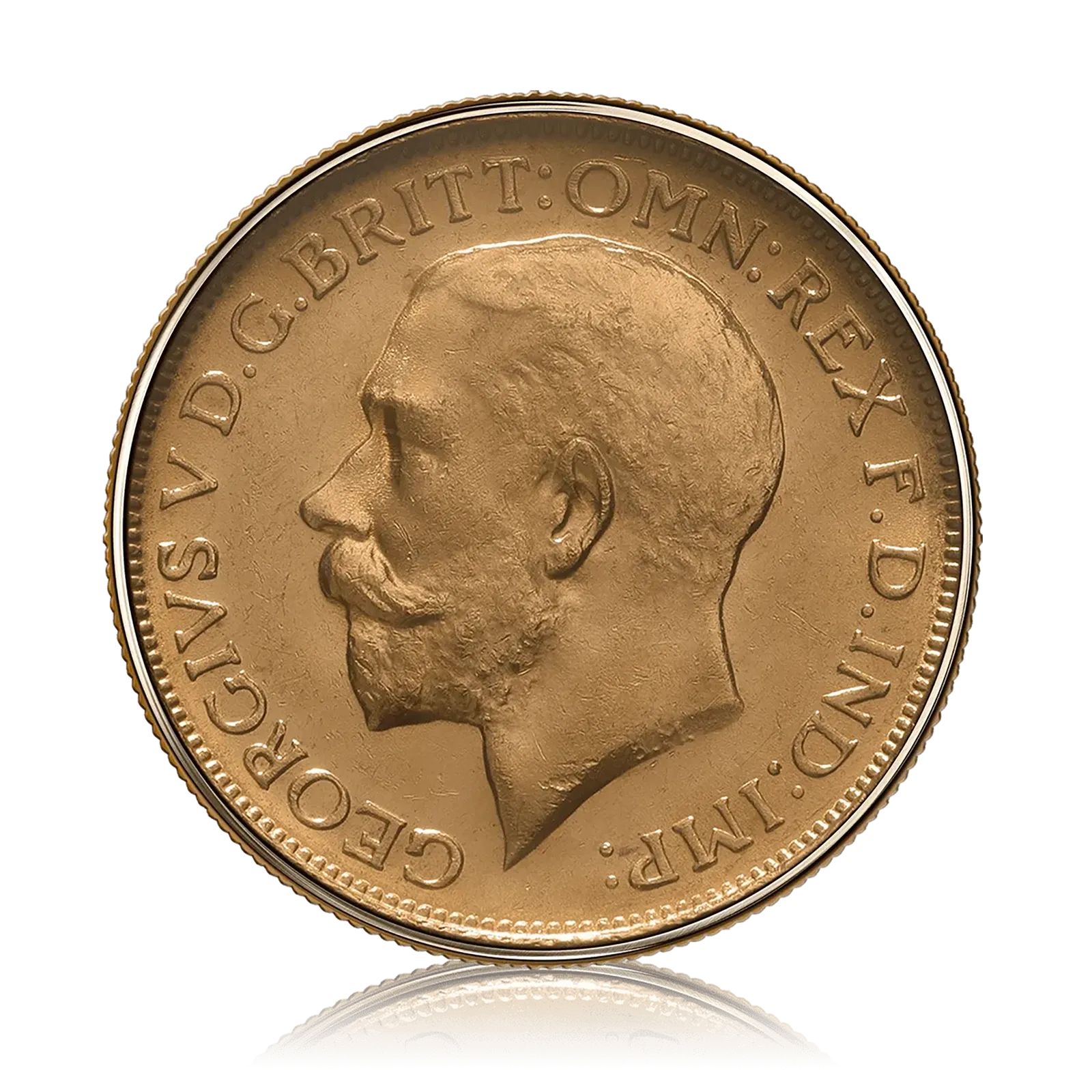
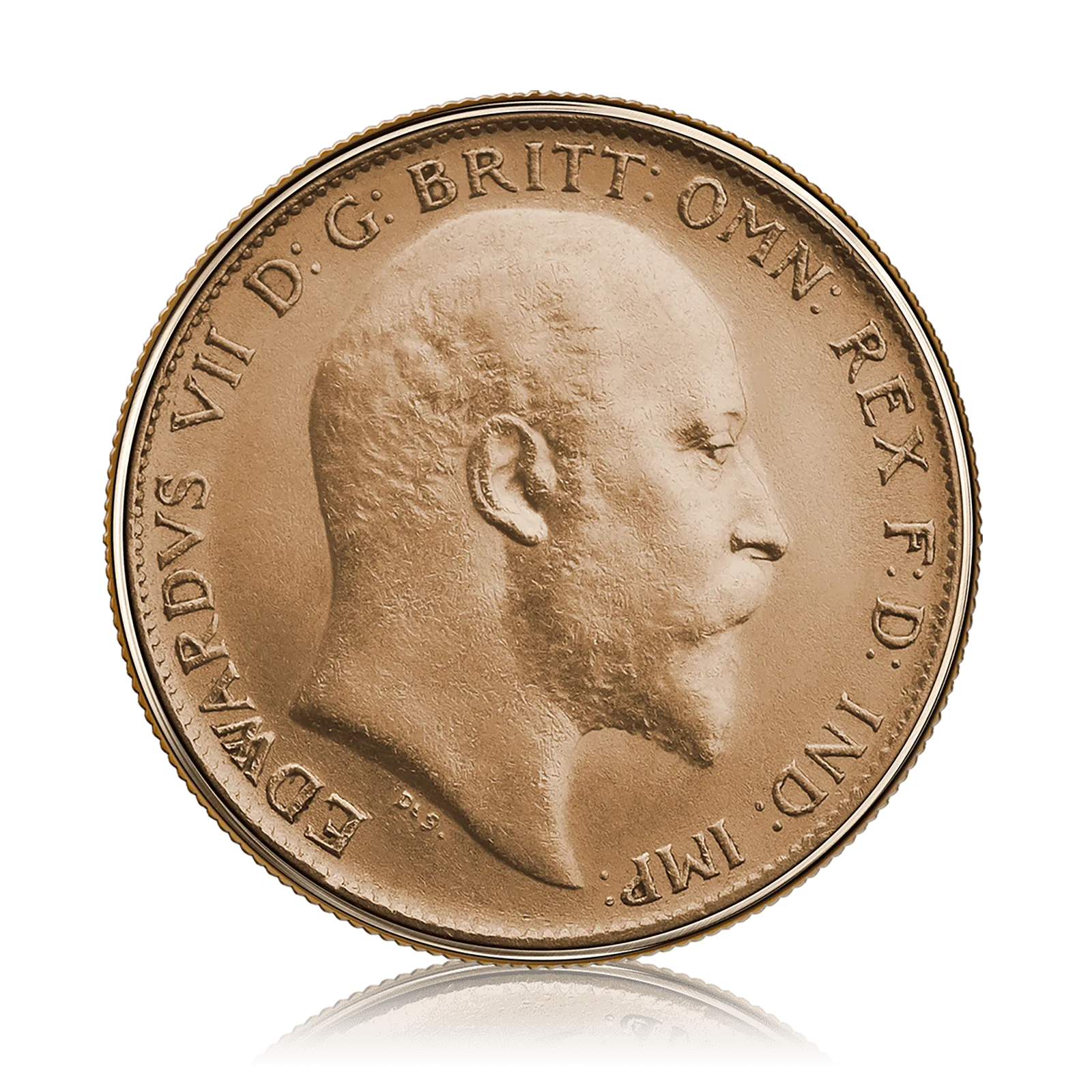
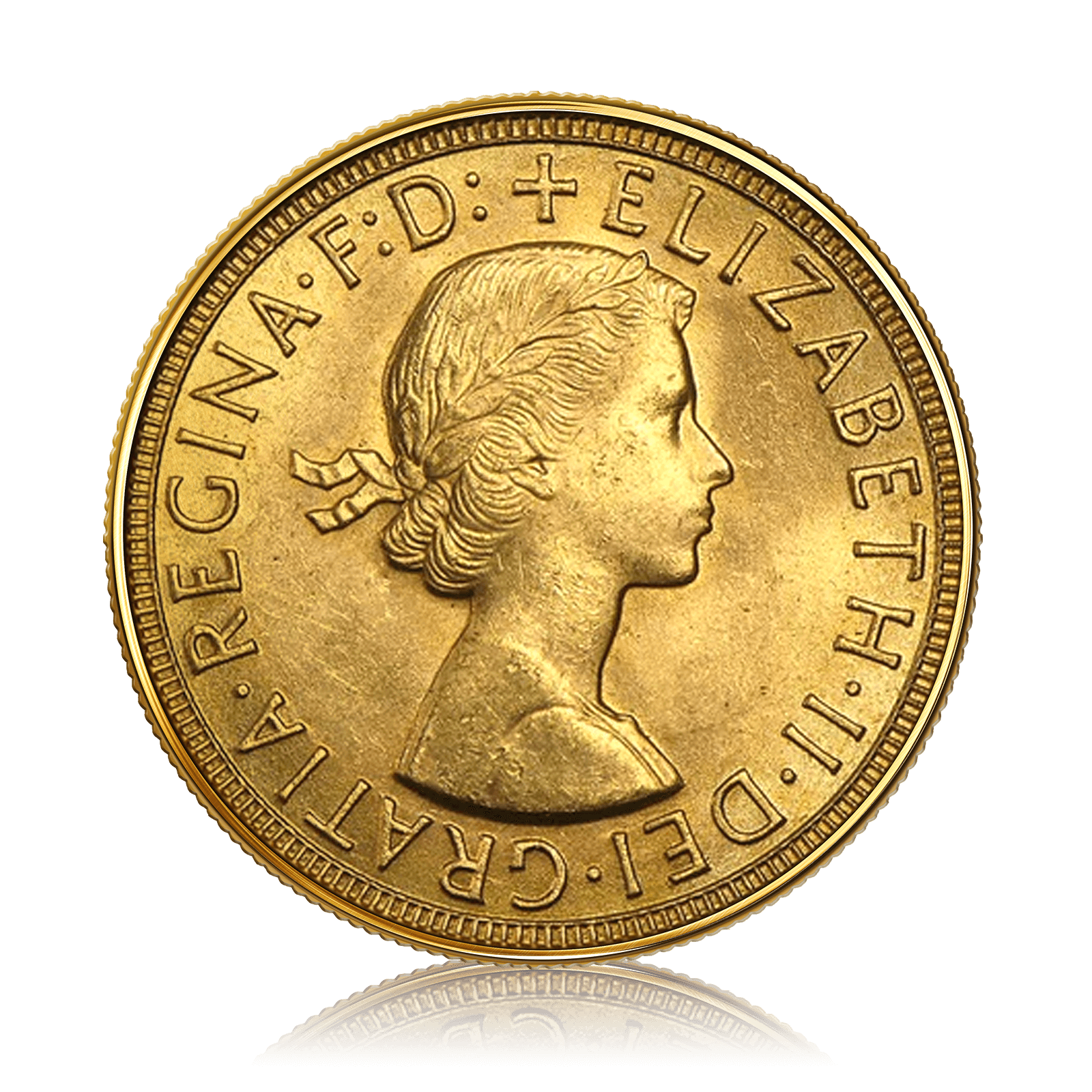
It was only later that he learned the structure mattered. In the UK, gold bars are treated as straightforward bullion and can be subject to Capital Gains Tax when you sell. Some gold coins, by contrast, are legal tender and can be exempt from Capital Gains Tax, which can materially affect what you actually keep. On paper, a bar and a coin might contain the same amount of gold, but they’re not treated the same when it comes to tax.
Lesson learned: Coins and bars can hold the same gold, but they don’t behave the same financially. How your gold is structured can matter just as much as how much you own.
17. “Know the difference between sentiment and value”
Leila brought in a small collection of jewellery she’d inherited from a relative. None of it was especially flashy, but each piece carried a story. She hoped that history might count for something when it came to the price.
It didn’t. The valuation was based purely on weight and purity. The gold was priced for what it was, not where it came from or what it had meant. That didn’t make selling the wrong decision, but it did make expectations important to manage before starting the process.
Lesson learned: Sentimental value and market value are different things. Know which one you’re dealing with before you sell.
None of these stories involve foolish people. They involve normal, careful individuals who simply had limited experience of how the gold market really works and were caught off guard by its rules and conventions. We share them as practical advice, to help you avoid the same surprises if you’re starting out on a gold buying or selling journey.
If you want to talk through your own situation, or sanity-check what you have before making a decision, you can always get in touch with Goldbank for clear, straightforward guidance before you buy or sell.