

 In Stock

 Low Stock
Every April, Britain develops a sudden and rather intense interest in three letters: ISA.
There tends to be a flurry of activity reminding us to “use our allowance” before the end of the tax year with an urgency usually associated with catching the last train home. This is not entirely unreasonable – ISAs are one of the more useful tax breaks available to UK savers and investors, and millions of us use them.
However, if you have arrived here after Googling “gold vs ISA”, there is a small problem with your question because an ISA isn’t really an investment at all. It is a tax-efficient wrapper in which you can hold certain types of savings and investments. Comparing an ISA with gold is therefore a little like comparing a garage with a car: one is somewhere you put things, while the other is the thing itself.
Pedantic? Perhaps. But it leads us to a much more useful question.
If you have money that you want to put away for the future, should you keep it as cash, invest it in the markets, buy something tangible such as gold, or divide it between them?
Now that is a comparison worth making.
What actually is an ISA?
ISA stands for Individual Savings Account, although the name arguably makes the whole arrangement sound more complicated than it needs to be.
UK adults can currently put up to £20,000 into ISAs each tax year, with no UK tax to pay on interest earned on cash held within them, or on income and capital gains generated by investments held within them.
There are several varieties, but for our purposes the interesting ones are the Cash ISA and the Stocks & Shares ISA. They share a name and the same tax-efficient umbrella, but underneath it they behave very differently.
What is a Cash ISA?
A Cash ISA is essentially a savings account with favourable tax treatment. You deposit money with a bank or building society, receive interest and, depending on the type of account you choose, either retain easy access to your money or agree to leave it alone for a period in exchange for a particular rate.
It’s appealing because if you put £10,000 into a Cash ISA, you do not generally have to worry that an alarming morning on Wall Street will turn it into £8,700 by lunchtime.
There is something reassuringly uneventful about cash.
Indeed, we have a habit in finance of treating ‘boring’ as though it were a criticism, when quite often boring is exactly what people are paying for. Nobody keeps an emergency fund because they hope it will have an exciting year.
Cash does, however, have a less visible risk, and it is one which is easy to overlook precisely because the number in your account does not go down – inflation.
If your savings earn 3% while prices rise by 4%, your bank balance has increased but your purchasing power has fallen. This is one of the peculiarities of cash: it can appear to be standing perfectly still when it’s actually moving backwards.
That does not make a Cash ISA a bad place for money, far from it, but it does illustrate why “I haven’t lost any money” and “my money hasn’t lost any value” are not the same statement.
What is a Stocks & Shares ISA?
A Stocks & Shares ISA works rather differently because the ISA itself is not what you are investing in. Instead, it provides the tax-efficient wrapper in which eligible investments can be held, which might include company shares, investment funds, government bonds or corporate bonds.
If those investments rise substantially in value, the ISA wrapper becomes extremely useful because the income and capital gains generated within it are generally sheltered from UK tax. If those investments fall substantially in value, however, the ISA provides no protection from the fall itself.
The taxman may be less interested in your gains, but the market remains entirely indifferent to your feelings.
So where does gold fit into all this?
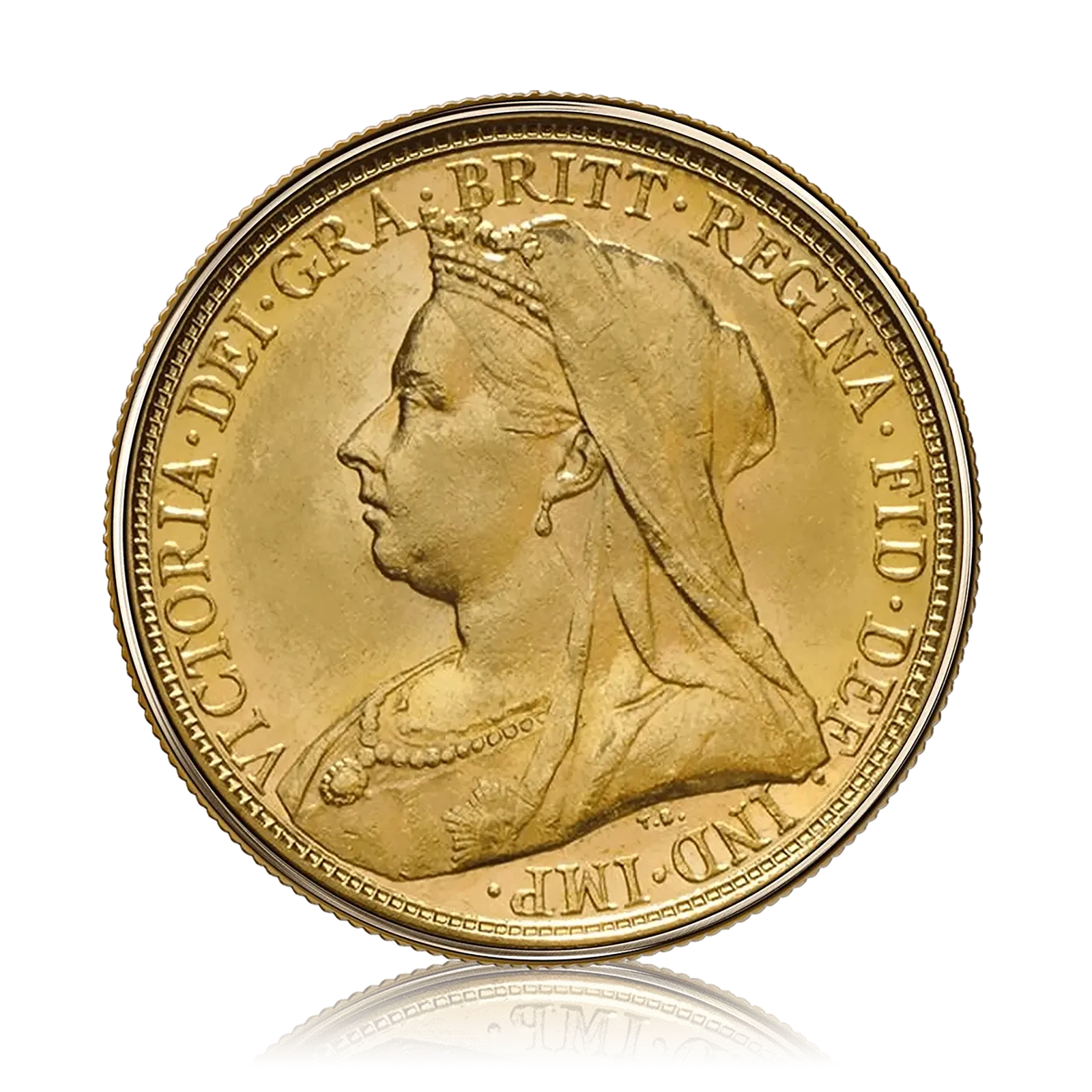
Gold is different again because physical gold is neither a savings account nor a tax wrapper. It is the asset itself.
It does not pay interest and it does not produce dividends. There is no company behind it reinvesting profits, no management team trying to increase earnings and no ingenious mechanism compounding your original purchase into more gold. If you buy an ounce of gold today and leave it alone for twenty years, you will still have an ounce of gold. Whether that ounce is worth more or less in pounds is another matter entirely.
And yet the fact that gold does very little is, oddly enough, part of its appeal. A gold bar cannot issue a profit warning or appoint a disastrous chief executive. It’s just gold – even if the world around it changes.
£20,000 and three completely different ideas
Suppose you have £20,000 which you want to put away for the future.
You might put it into a Cash ISA, invest it through a Stocks & Shares ISA or use some of it to buy physical gold. On day one the starting figure is identical, but from that point onwards you are asking your money to behave in three quite different ways.
With cash, you are primarily relying on interest, whereas with investments, you are relying on the future performance of the assets you own. With gold, you are relying on what the market is prepared to pay for the same quantity of gold at some point in the future.
This is why the apparently obvious question – “which one gives the best return?” – isn’t as straightforward as one might think. It assumes that maximum return is the only thing anybody wants from their money, but that isn’t always the case.
People also want access, certainty, protection from inflation, diversification and, perhaps most importantly, the ability to sleep at night without checking an investment app at 2am.
The more useful question is therefore not simply what you want your £20,000 to earn, but what you want it to do.
The curious psychology of certainty
Cash has an enormous psychological advantage over investments because £10,000 tends to continue looking reassuringly like £10,000.
Unless you spend it, the original number generally remains intact and interest gradually appears alongside it.
Markets do not provide the same emotional courtesy.
A Stocks & Shares ISA worth £20,000 today may be worth £18,000 at some point next year, even if the underlying investment ultimately proves successful over twenty years. Gold can do the same. Its price moves every day and there will be periods when somebody buying at precisely the wrong moment sees the value of their holding fall.
Yet certainty is a slightly slippery concept when money is involved.
Cash can provide certainty over the number of pounds you own without providing certainty over what those pounds will buy. Gold provides no certainty over its price in pounds, but gives its owner something tangible whose existence does not depend on the solvency of a third party.
A Stocks & Shares ISA introduces still another kind of uncertainty in exchange for the possibility of participating in economic and business growth.
None of these is necessarily the ‘safe’ option in every sense of the word, they are just exposed to different risks.
Why behaviour matters more than we like to admit
What looks attractive on paper may feel rather different when your own money is at stake. Some people are comfortable watching investments rise and fall in pursuit of longer-term growth. Others would rather accept a potentially lower return for the greater certainty of cash, while some like gold precisely because it offers something tangible outside the traditional financial system.
The right choice therefore depends not only on potential returns, but on how much risk and uncertainty you are comfortable with.
What about tax?
This is where ISAs have an obvious advantage built into their design.
Interest earned within a Cash ISA is tax-free, while income and capital gains generated by investments held within a Stocks & Shares ISA are generally sheltered from UK tax. Over a long period, particularly where investments have grown substantially, that can be extremely valuable.
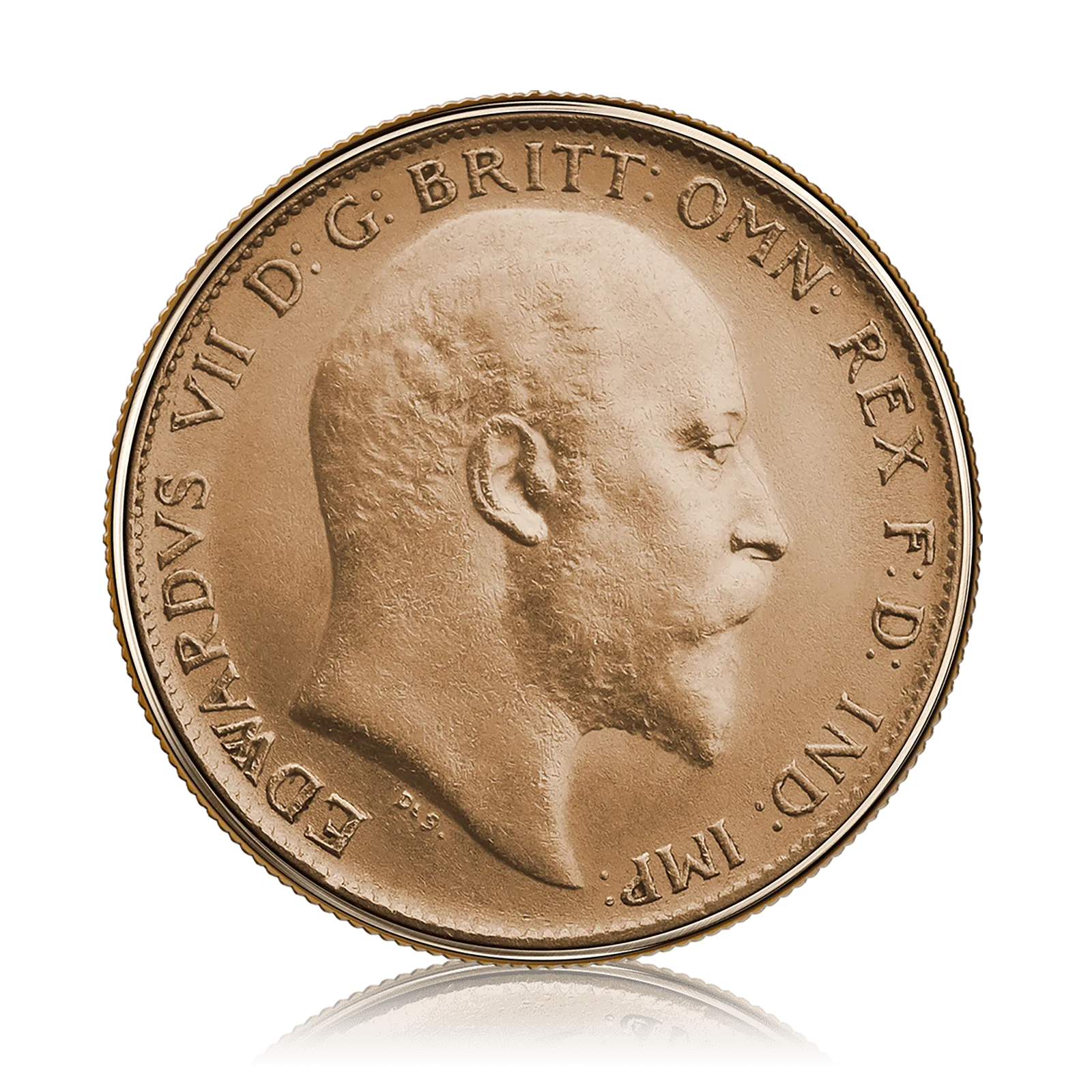
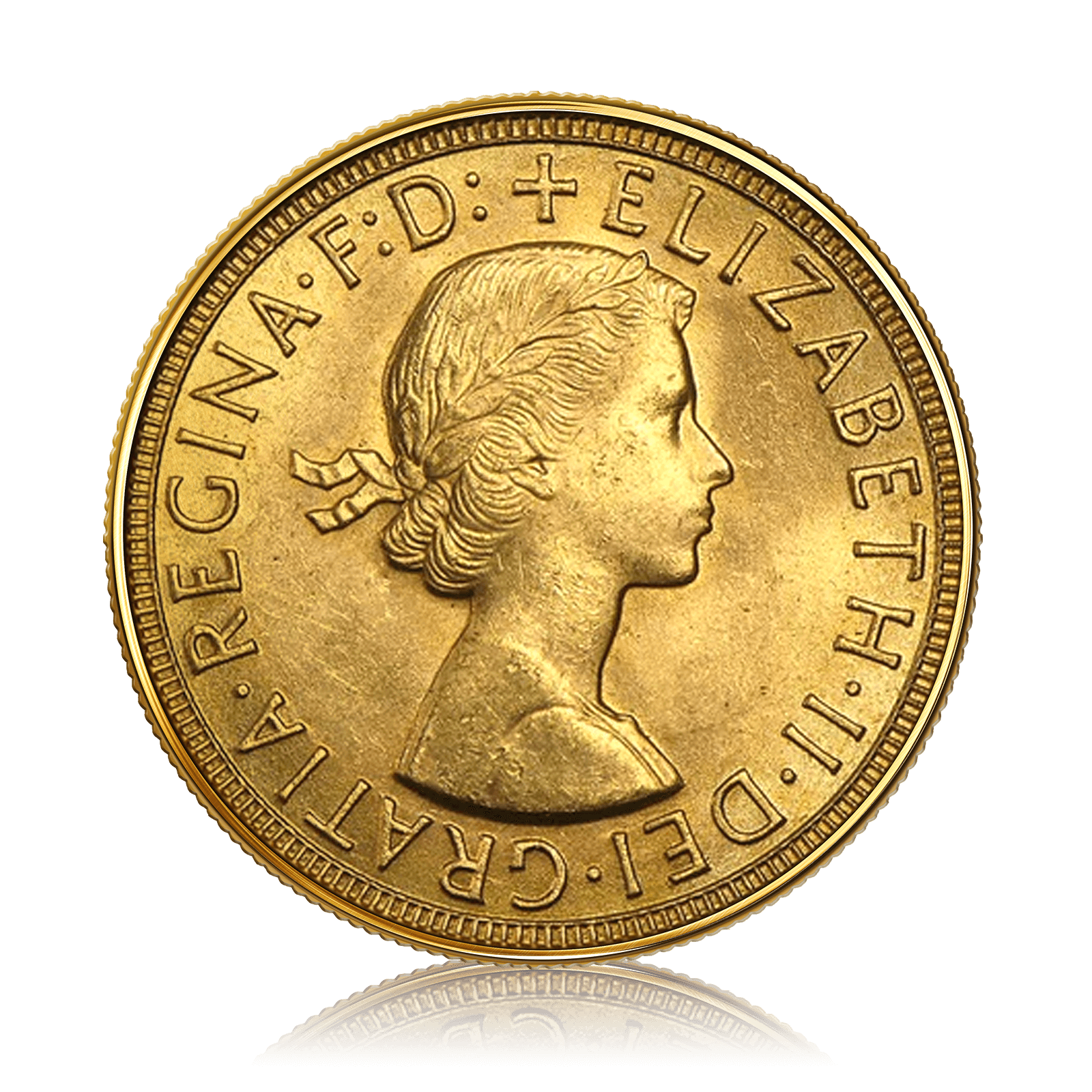
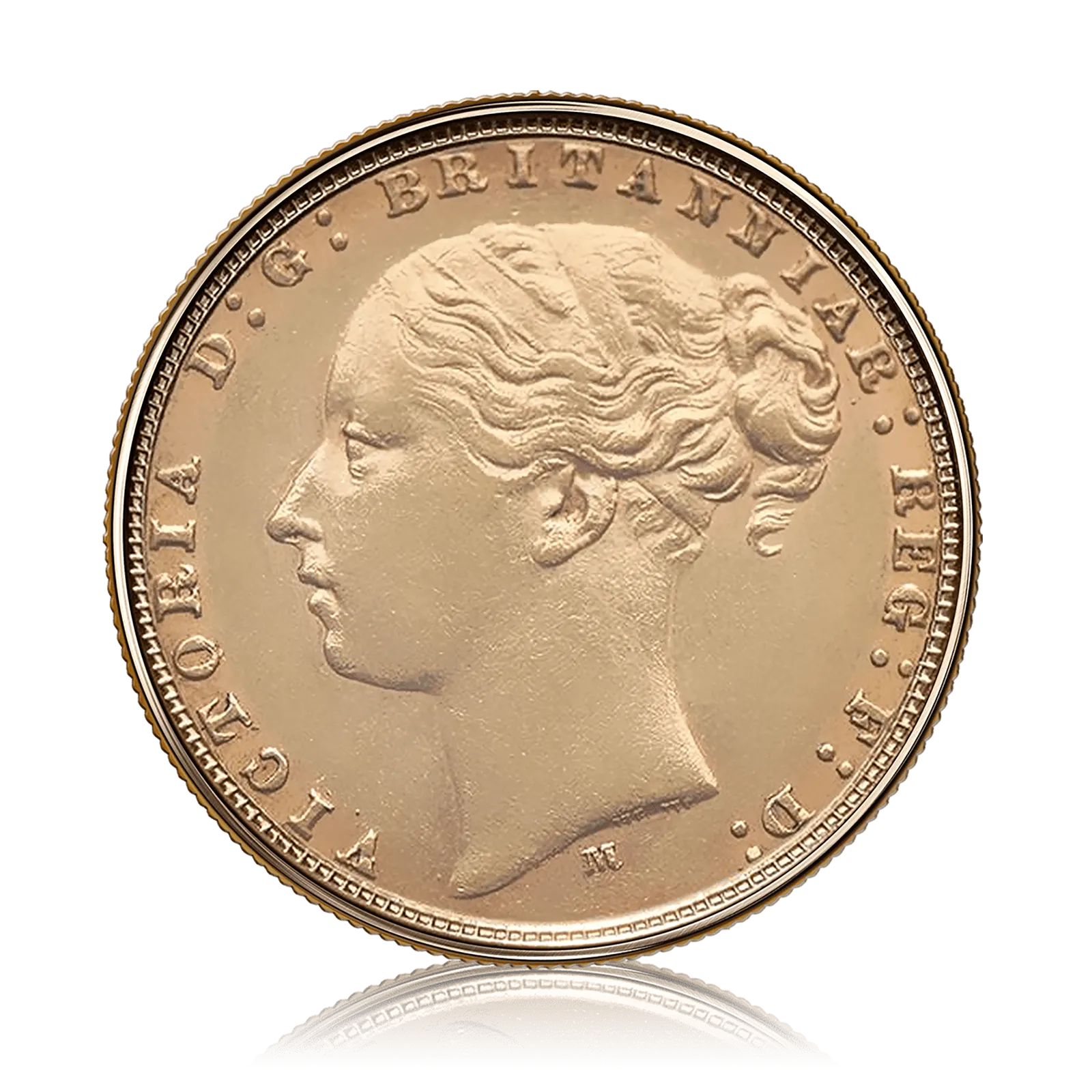
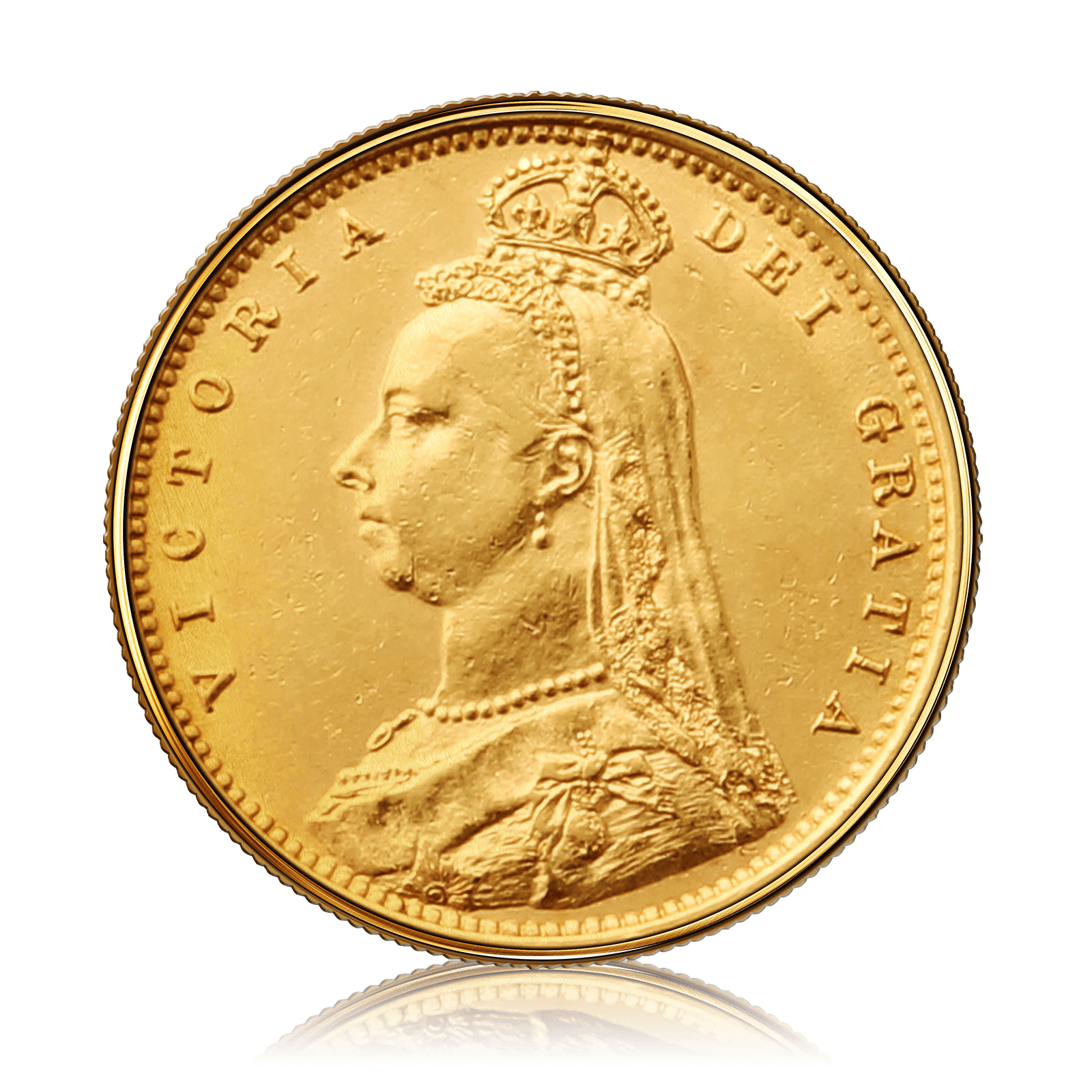
Physical gold has some tax characteristics of its own. Investment gold can qualify for VAT exemption, while qualifying UK legal-tender gold coins, including Sovereigns and Britannias, are generally exempt from Capital Gains Tax.
The important point is that ‘gold versus ISA’ is not quite the tax mismatch it might initially appear to be. The tax treatment is simply achieved in different ways and depends on exactly what you own and how you own it.
Individual circumstances vary, of course, and tax rules can change, so professional advice should be sought where necessary.
What if you need your money back?
Here cash probably wins on sheer convenience. Money held in an easy-access Cash ISA can generally be withdrawn when required, subject to the particular account terms. With a Stocks & Shares ISA, investments usually need to be sold before the money can be withdrawn, which means the amount you receive depends on what those investments happen to be worth at the time.
Physical gold also has to be sold, bringing with it the practical business of finding a buyer, establishing the value of the gold and completing the transaction.
This makes gold less immediately accessible than cash, although even that is not necessarily an unqualified disadvantage.
Economists tend to assume that easier access to money is always preferable. Anyone who has ever transferred money out of their savings account at 11.30pm because they suddenly decided they absolutely needed something they had never heard of three hours earlier may recognise the flaw in that assumption.
A little friction can occasionally be useful.
So, gold or an ISA?
Perhaps neither side needs to win.
We have a habit of discussing personal finance as though every asset were competing for the same job. Cash versus shares. Property versus pensions. Gold versus the stock market.
But they don’t do the same job. Cash provides ready access and relative certainty, investments offer exposure to companies and economic growth, while gold is a physical asset whose value is determined on a global market.
Expecting one of them to do everything is rather like complaining that your umbrella is no good at making toast.
For many people, then, the decision isn’t necessarily Cash ISA, Stocks & Shares ISA or gold, but whether there is a place for some combination of them.
Diversification may sound like a grand financial concept, but the logic behind it is fairly ordinary: don’t make everything depend on the same thing going right.
Learn more about investing in gold at Gold Bank.
This article is for general information only and does not constitute financial or investment advice. Individual circumstances vary, and readers should seek independent professional financial advice before making financial decisions.
Read the other blogs in this Gold Versus series