

 In Stock

 Low Stock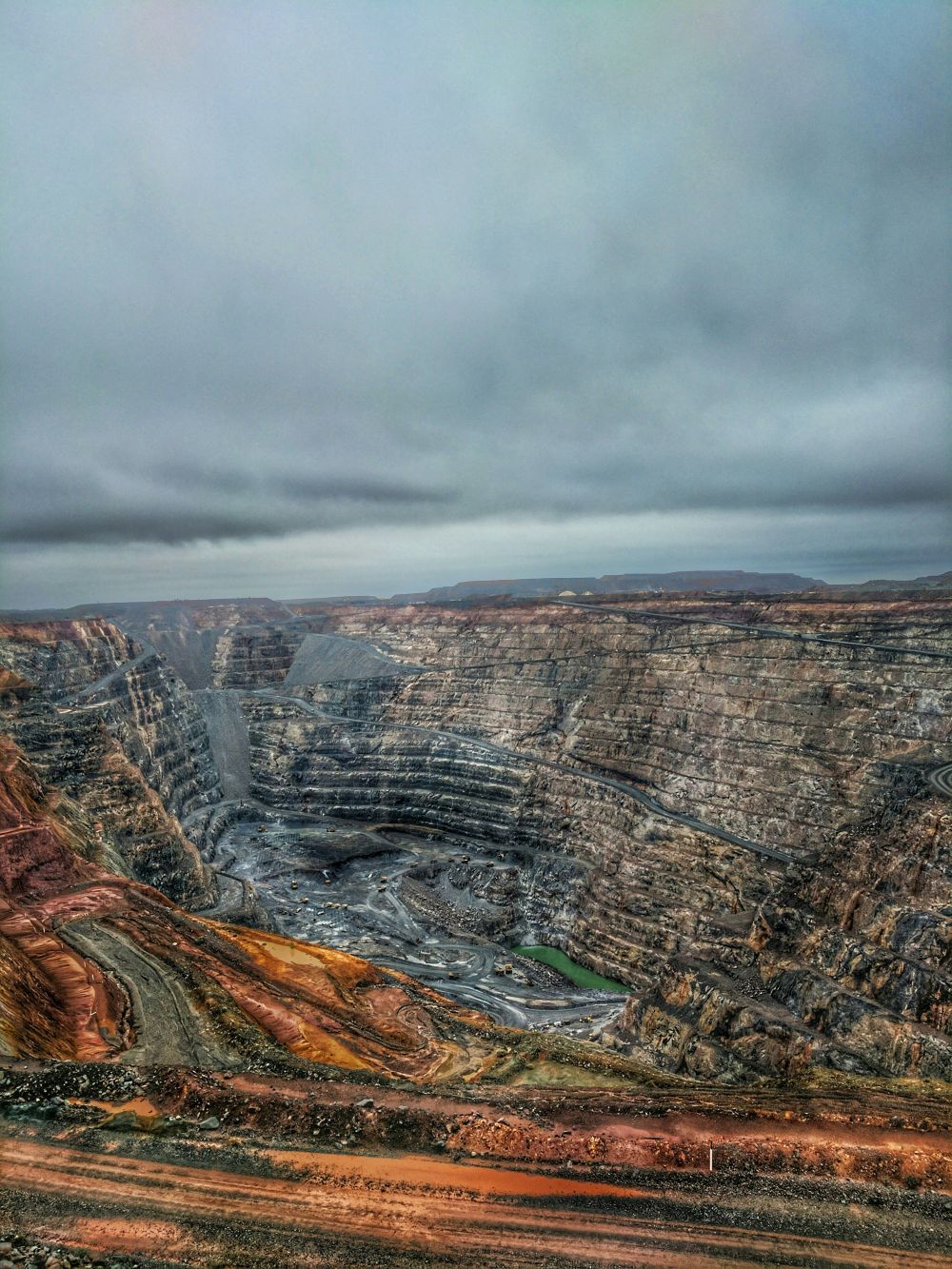
Did you know that if all the gold ever mined throughout history was put in front of us, it would form a 23m by 23m cube, roughly the height of a four-story building?
That total weight works out to be about 244,000 metric tons which has been discovered – or roughly half the weight of the Great Pyramid of Giza.
By comparison, the world has mined around 1.74 million metric tonnes of silver, enough to form a much larger cube measuring 55 metres across.
Geologically speaking, gold is exceptionally rare. What’s more, we’ve already extracted around two-thirds of all the gold that’s ever likely to be mined. At the current mining rate of around 3,000 tonnes a year, those reserves could – in theory – be exhausted within two decades. And if we refer back to the cube comparison, all that’s left (or at least economically recoverable) would only form a 15m cube.
So does that mean we’re going to run out of gold, and what does that mean for its value and investors?
What we mean when we say gold is rare
When people talk about how rare gold is, they usually mean the amount we can actually reach in the Earth’s outer crust. There is far more buried deep in the mantle and core, but we’ll never get near it thanks to extreme temperatures and pressures.
Scientists measure rarity using something called a mass fraction – basically, how many parts of a metal exist in every billion parts of rock in the Earth’s crust.
Here’s how some of the well-known precious metals measure up:
- Gold: about 4 parts per billion
- Silver: about 75 parts per billion
- Platinum: about 5 parts per billion
- Osmium: around 1.5 parts per billion
- Iron: around 50million parts per billion
Iron is abundant in the Earth’s crust – making up to around 5% of it. So you can see side by side how rare gold is; for every atom of gold, there are roughly 12 million atoms of iron.
Why new gold is so hard to reach
What’s left of our gold reserves lies deep underground, scattered in tiny traces across hard-to-reach rock formations.
The Mponeng mine in South Africa reaches more than 4 kilometres below ground. Temperatures exceed 60°C and air pressure can crush machinery. Going deeper than that isn’t economically viable with today’s technology.
Deposits which are found closer to the surface are often low-grade ore which means they sometimes have as little as one gram of gold per tonne of rock. Is shifting hundreds of tonnes of earth for such a small amount of metal, really worth it?
Then there’s external factors, often beyond the industry’s control such as politics and environment. Some of the most promising deposits sit in remote or unstable regions, while opening a new mine can take 10–20 years from discovery to production.
That’s why the gold mining sector continues to depend on older, well-understood deposits for reserve growth; it prefers to expand existing sites rather than gamble on new, uncertain ones. It’s a cautious approach, but it also reflects a deeper problem: there simply isn’t much new gold being found. In fact, there were no major discoveries in 2023–24, and only six since 2020.
The chart below shows just how the number of gold discoveries has declined since 1990.
Mining in outer space?
There have been plenty of bold ideas about where the next gold rush might come from, for instance the seabed, asteroids and even the moon. Scientists and entrepreneurs have suggested these could one day become new frontiers for mining, especially as resources on land become harder to reach.
In theory, it could happen. The ocean floor contains gold dissolved in seawater and locked within hydrothermal vents and certain asteroids are thought to hold vast quantities of precious metals. But in practice, both remain firmly in the realm of science fiction.
Mining the seabed would mean dealing with extreme pressure, darkness and corrosive saltwater as well as the engineering challenge of operating heavy machinery thousands of metres below the surface. Even if the technology existed, the gold concentration in seawater is so low that extracting it would cost far more than it’s worth.
Asteroid mining faces even greater hurdles. While some asteroids may contain rich metal deposits, the cost of building, launching and operating spacecraft capable of extraction would almost certainly exceed the value of the materials recovered. No current technology comes close to making it economically viable.
Even if these methods did become possible, the environmental cost would be just immense. Modern gold mining already faces scrutiny for deforestation, water use and chemical pollution. Expanding extraction into the deep ocean or outer space would raise new ethical and ecological questions – destroying fragile ecosystems or generating massive carbon footprints in the process.
So while they make for fascinating headlines, they’re not realistic solutions to gold scarcity. At least not in our lifetime.
So is gold running out?
No. While the amount we are able to mine might be running out, the gold that we have already mined still exists – and will continue to exist – above ground. It’s still here, just melted into bars, turned into jewellery or held in vaults. We know how stable gold is; it doesn’t rust or break down so it hasn’t gone anywhere since it was mined.
The other great thing about gold is that it can be easily melted down if it isn’t suitable in its existing form – recycled gold now reportedly makes up 25-30% of annual gold use. This constant re-use is one of the reasons gold holds its value over time. The total supply grows very slowly, but what already exists keeps its integrity. That balance between rarity and permanence is what makes gold a reliable store of wealth.
Gold’s scarcity and price link
Scarcity on its own doesn’t drive prices. What really drives prices is what happens when that limited supply meets demand.
As we’ve mentioned earlier, barely – if any – new gold reserves are being found or explored and the World Gold Council expects production to peak within the next ten years, then begin a gradual decline as existing mines deplete.
At the same time, demand keeps climbing. In 2022, the world used 4,741 tonnes of gold, driven by jewellery, investment and record central bank buying. Central banks alone purchased over 1,000 tonnes, the highest level in half a century.
Gold also behaves differently from most commodities – like oil which burns, crops that are eaten, metals which corrodes.
Why gold prices are rising now
After years of steady performance, gold has entered a new phase; one shaped less by how much exists and more by how the world feels about risk.
Three big forces are driving that shift:
1. Confidence is fragile
Economic growth is uneven, interest rates are high and inflation is proving stubborn which is pushing both investors and governments towards ‘safe’ assets like gold.
2. The global financial order is changing
More central banks are diversifying away from the US dollar, using gold to balance their reserves. When major economies start treating gold as a long-term anchor it strengthens its value.
3. Technology and transparency are making gold easier to trade
Physical gold has never been more accessible thanks to digital gold platforms and instant pricing tools. It means new buyers like younger investors, small businesses and savers looking for stability outside traditional banking systems, again pushing the price of gold higher.
If you already own gold, it’s worth understanding what you hold. If it’s sitting unused, Gold Bank can help you find out what it’s really worth. See how your gold’s long history of scarcity and rising global gold prices could work in your favour by starting with a free, secure valuation.