

 In Stock


 Low Stock
Maybe you’ve inherited a tangle of gold chains from a relative. Maybe you’ve got a few coins or bars tucked away and you’ve decided now’s the moment to cash in.
And if you’re in a rush? Fair enough. Turning gold into cash sounds like it should be quick and painless.
But hang on a second. Before you hand over your jewellery or bullion, let’s make sure you don’t fall into the classic traps.
This article won’t save your life but it might save your life savings. Or at the very least, stop you getting scammed, short-changed or left kicking yourself afterwards.
Trap 1: Selling without knowing the current gold price
Imagine walking into a dealer, sliding your jewellery across the counter and taking the first offer they give you. Uh oh, big mistake.
The spot price of gold (the live market value per gram) changes constantly and sometimes dramatically. Gold has surged by about +19.7% over the last six months, adding nearly £14 per gram. Even in just the past month, prices jumped around +7.8%. That’s roughly £6.30 per gram.
To put that into perspective, a 20g coin or bar could be worth over £120 more today than it was just weeks ago. That’s a lot of money to lose just because you didn’t check the price.
Unfortunately some less-than-honest buyers will bank on you not knowing the spot price. They’ll quote you a number which sounds ‘about right’ but is actually way below market value and only really benefitting them.
Jewellery sellers: Remember, the dealer is paying for the gold content only. A necklace marked 18ct is 75% gold, not 100%, so you need to know what today’s rate per gram looks like at that purity.
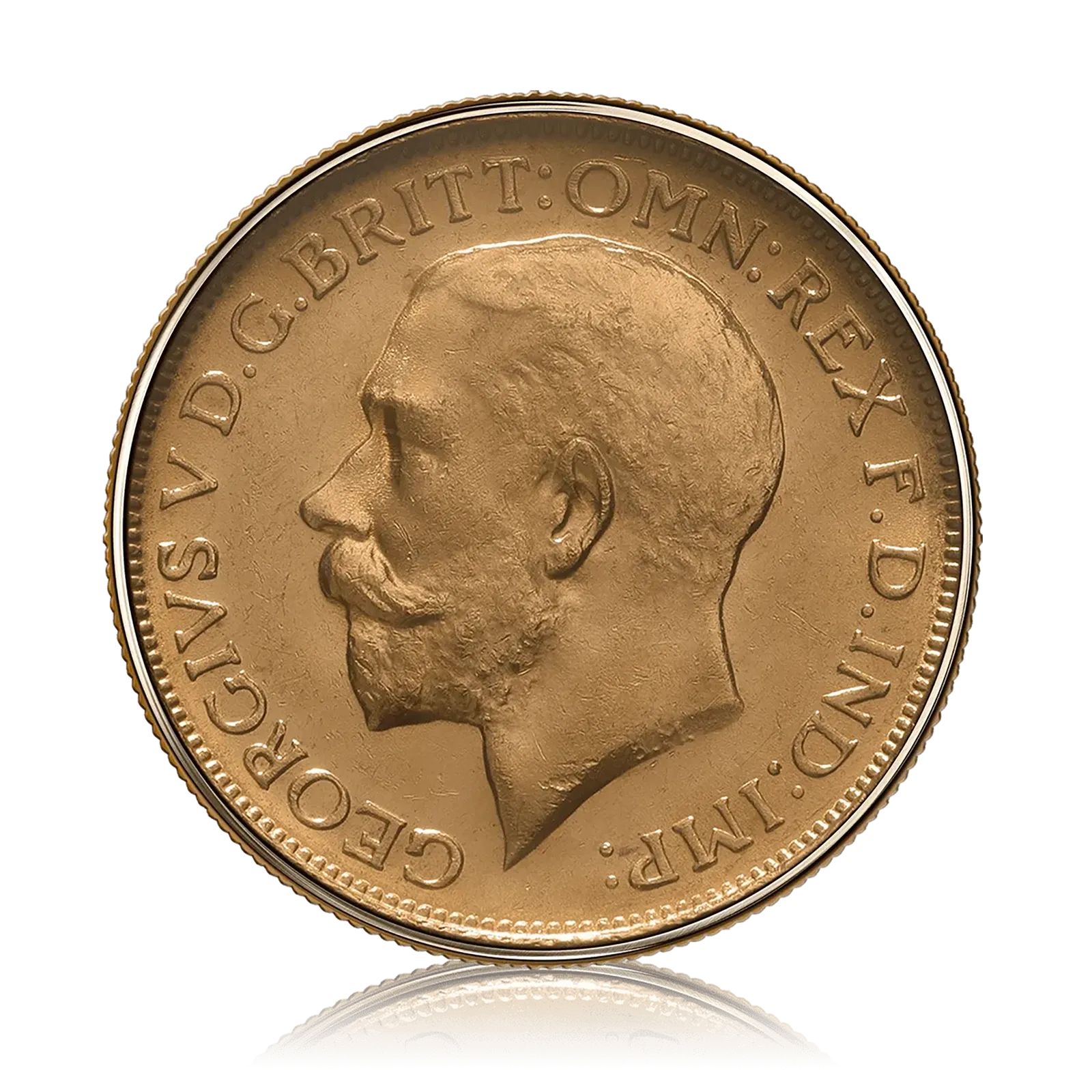
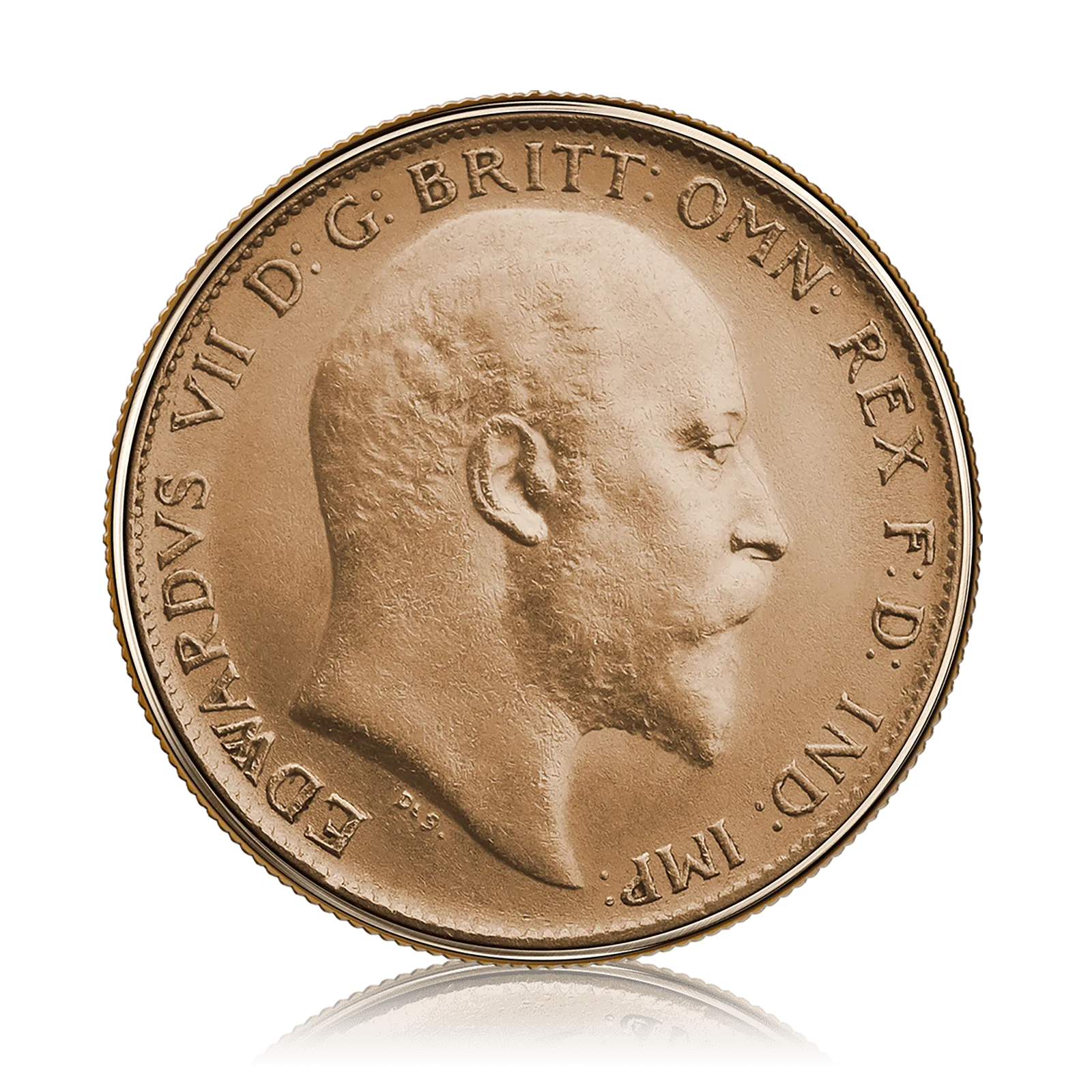
Bullion sellers: You’ll usually get closer to spot price, but don’t assume it’s that simple. Some coins and bars – like Sovereigns or Britannias – carry extra premiums so you could lose out if you don’t know what yours are really worth.
A two-minute check of the live gold price in grams is the easiest homework you’ll ever do.
Trap 2: Confusing carat value or purity
That 18ct ring you love? It’s not 100% gold, it’s 75%. A 9ct chain is only 37.5%. The rest is made up of other metals like copper or silver. Just because it looks like gold, doesn’t mean to say it is pure gold. Dealers know better, and if you don’t, you’re already on the back foot.
Jewellery sellers: Always check the hallmark (those tiny stamps inside rings or clasps) so you know the purity before you go in. If it says 375, that’s 9ct. 750 means 18ct. 916 means 22ct. 999? That’s as close to pure gold as you’ll get in jewellery.
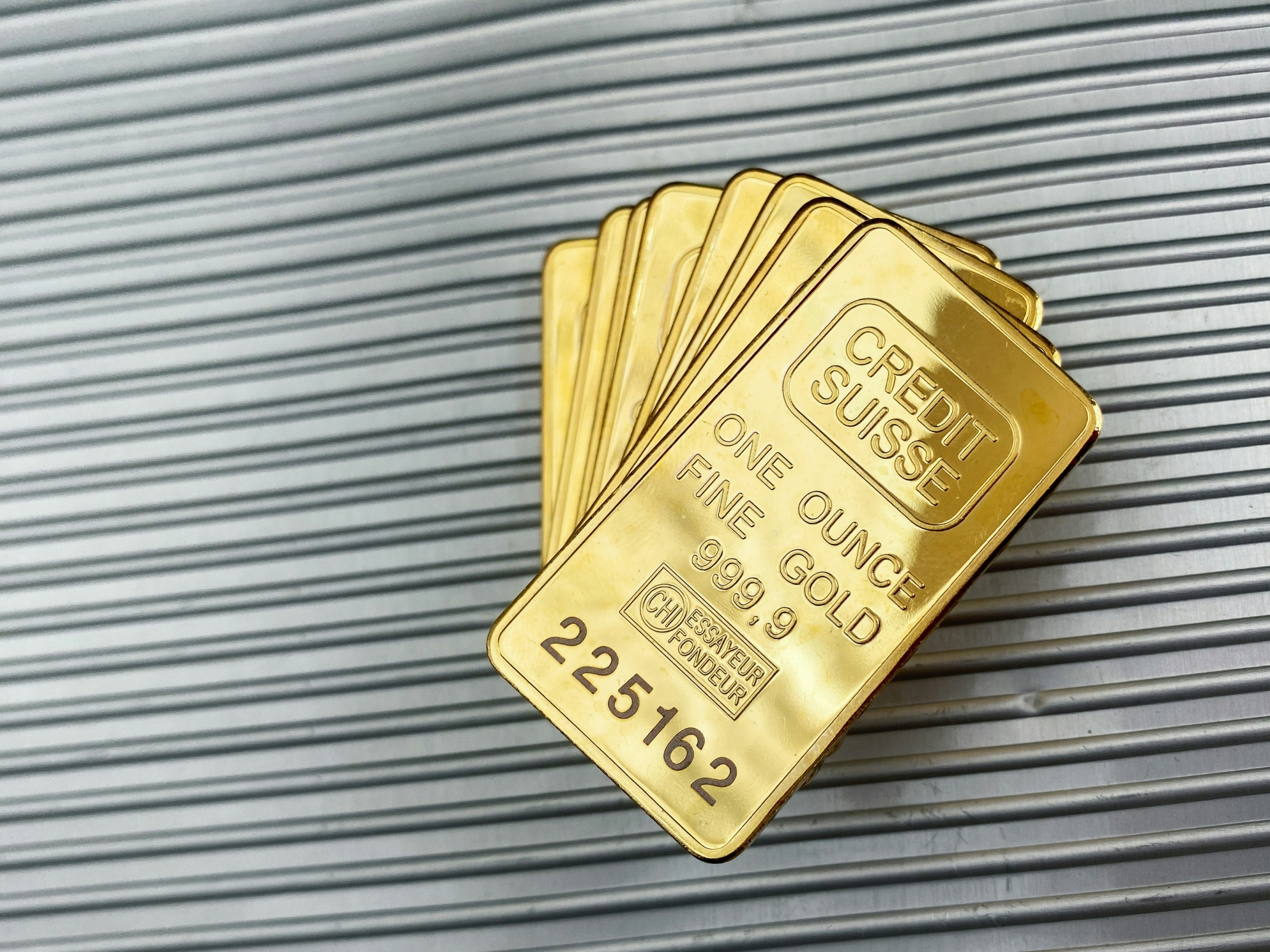
Bullion sellers : You’re usually dealing with 24ct (999.9 fine gold) but not every coin is pure. A South African Krugerrand, for example, is only 22ct (91.6%), even though it still contains a full ounce of gold.
Make sure you know your carats and hallmarks before you sell, otherwise, you’re setting yourself up to be short-changed.
Trap 3: Overlooking weight accuracy
You’d be amazed how often people forget that a dealer’s quoted weight might not tell the full story.
Jewellery sellers: Stones, clasps and other bits do not count as gold. A ring could weigh 10g on your kitchen scale but only 6g might be pure gold. A reputable buyer will explain this. A dodgy one might just round down and hope you don’t notice.
Bullion sellers: You expect precision, but not every dealer uses properly calibrated kit. In one Trading Standards sweep across Medway, nearly half of the scrap gold traders investigated were found with inaccurate or unapproved scales. Test purchases showed wild variations; for the same 14g of scrap gold, the lowest offer was £95 while the highest was £130. That is a £35 difference on a small piece of jewellery. Scale that up to a heavy chain or a handful of coins and you are being short-changed big time. This is obviously a rare case and shouldn’t worry you but it may be pertinent to get a second quote if something feels ‘off’.
Gold selling checkpoint list: what to look for and what to avoid
✅ What to look for
- Live gold price in grams (check before you sell)
- Clear hallmark or purity stamp (375 = 9ct, 750 = 18ct, 999 = pure)
- Dealer weighs items in front of you on a trade approved scale
- Transparent paperwork showing weight, purity and calculation
- Positive reviews and membership of trade bodies (e.g. National Association of Jewellers, BNTA)
- Insurance cover for postal sales
- Clear explanation of fees or commissions
- Willingness to answer your questions without pressure
❌ What to avoid
- Dealers who will not show you the weighing process
- Unapproved or hidden scales
- Vague or confusing explanations of purity
- Prices that sound too good to be true
- Hidden fees that only appear at the last minute
- Dealers who pressure you to accept an offer immediately
- No hallmarking or certificates for bullion
- Cash-in-hand “no questions asked” deals
Trap 4: Ignoring dealer reputation
Some gold buyers are long-established businesses with clear processes and strong customer reviews. Others pop up online or on the high street with shiny promises but little substance.
Jewellery sellers: Pawnbrokers, jewellers and online gold buyers can all pay very different rates. Some will be fair and transparent, others will be vague and pushy. If a shop cannot provide proper paperwork or a clear breakdown of how they have valued your items, that’s a red flag.
Bullion sellers: Reputation matters even more here. A trusted bullion dealer will explain market premiums, check authenticity in front of you and give you a transparent offer. A less scrupulous one may undervalue coins like Sovereigns or Britannias by pretending they are worth only their melt value.
Trap 5: Falling for scams and “too good to be true” offers
If someone is waving an offer which seems way above the market price, alarm bells should be ringing. Gold is a global commodity with a live price that everyone can see. No legitimate buyer is paying way over the odds out of kindness.
Jewellery sellers: Online ads which shout ‘highest prices paid’ are often fishing expeditions. Some will quote you a sky-high figure to hook you in, then chip away at the valuation once they have your items. Others may take your jewellery and suddenly ‘discover’ hidden fees before returning a lower payout.
Bullion sellers: Scammers love to target people with above-market valuations. Classic set-ups include fake buyers on online marketplaces who disappear once your gold is sent, or advance-fee scams where they ask for payment to ‘verify authenticity’ before buying.
One of the saddest scams came from Scotland in 2023. An 86-year-old widow was tricked by scammers posing as FCA officials. They persuaded her to convert her assets into gold – worth nearly £2million – before arranging courier pickup. The gold vanished and only a small portion was ever recovered.
Always ask yourself, “if this is such a great deal, why are they offering it to me”?
If the offer feels too good to be true, it almost certainly is.
Trap 6: Forgetting about fees and commissions
The price a dealer offers is rarely the final figure you’ll walk away with. Many add charges that nibble away at your payout until you are left with far less than you expected.
Jewellery sellers: Some buyers deduct ‘refining charges’ for melting jewellery down. Others add handling or testing fees. These can be legitimate, but shady operators will bury them in the small print or only mention them after you’ve agreed to sell.
Bullion sellers: You’ll usually be quoted ‘spot minus X%’. That X% is the dealer’s margin or commission. Reputable bullion dealers are upfront about their cut but less scrupulous ones will keep it vague, or suddenly inflate the margin once you’ve shipped your coins.
Always ask for a breakdown in writing before you agree to a sale. If the buyer cannot explain their charges clearly, walk away.
Trap 7: Selling in the wrong place
Where you sell your gold can make just as much difference as when you sell it. The right place can mean a fair payout, the wrong place can leave you badly out of pocket.
Jewellery sellers: Pawnbrokers and high street jewellers are convenient but often pay much less than specialist gold buyers. Selling privately through online marketplaces might seem tempting but it carries a serious risk of fraud or theft.
Bullion sellers: With coins and bars, the difference is even bigger. Specialist bullion dealers will price based on live market rates and may pay premiums for sought-after coins. General jewellers or pawnbrokers may ignore premiums altogether and just offer melt value.
Online selling: This can be one of the best options, provided you pick the right partner. At Gold Bank, we have been in business for over 30 years and our customers have rated us highly on Trustpilot for transparency and service. We offer a fully insured collection in London and clear, upfront valuations, so you know exactly what your gold is worth before selling. That level of trust is what sets proper online buyers apart from the fly-by-night operators that the likes of Trading Standards and Action Fraud warn about.
Trap 8: Not verifying authenticity
Gold only has value if it is genuine. Sounds obvious, but plenty of people come unstuck here.
Jewellery sellers: Hallmarks are your friend. In the UK, anything over 1g of gold must carry a hallmark from an official Assay Office. If your jewellery does not have one, buyers will treat it with suspicion or only pay scrap value.
Bullion sellers: Certificates of authenticity and original packaging matter. Gold in a sealed assay card is straightforward to sell, but a loose bar with no paperwork will raise questions. Coins can also be assumed to be fake if they don’t have any certification. If you cannot prove authenticity – even if you bought in good faith – a dealer may refuse it or pay only a fraction of the value.
Trap 9: Forgetting about taxes and reporting obligations
It is not the most exciting part of selling gold, but tax can come back to bite you if you ignore it.
Jewellery sellers: In most cases, selling a few old rings or a chain will not trigger tax. However, if you are clearing out a lot of items or selling high-value pieces, you may fall into Capital Gains Tax (CGT) territory. HMRC is not impressed by “I didn’t know” as an excuse. So now you know.
Bullion sellers: Some gold coins such as UK Sovereigns and Britannias are exempt from CGT because they are legal UK currency. Sell the same weight in Krugerrands or bars and you could owe tax if your profits exceed the annual allowance.
HMRC requires you to declare taxable gains, even if the buyer does not report the sale. If you sold some bullion with a profit of £2,500 (and had no other chargeable gains in the year), you’d not owe any CGT, because it falls under the £3,000 allowance.
But if your total gains across all assets exceed £3,000, for instance, a £3,500 gain – that extra £500 is taxable and you’d need to declare and pay CGT on it
Trap 10: Rushing the sale
So many people who have been burned will tell you the same thing: Do. Not. Rush.
Quick cash may feel good at the moment but hasty decisions nearly always cost you. It is a tale as old as time.
Jewellery sellers: If you look like you just want the money fast, dealers are going to smell your desperation a mile off and they will be less likely to budge on price. Taking even a day or two to compare offers is a sensible strategy.
Bullion sellers: The gold market moves constantly. So if you’re in a rush to sell you may inadvertently sell in a dip, and that could mean missing out on hundreds if not thousands of pounds if you are selling bigger holdings.
As these ten traps show, it pays to slow down, do your homework and choose the right place to sell. The main takeaways are to:
- Check the live price
- Know your hallmarks
- Make sure the scales are legitimate
…and don’t fall for offers which sound too good to be true.
Take the right steps and you will be just as resilient as the gold in your pocket.
If you are still on the fence, help is at hand. We have over 30 years in the gold game and a long line of happy customers to prove it. We won’t pressure you or put you under any obligation to do anything. Get in touch.