

 In Stock

 Low Stock
They say there are only three certainties in life: birth, death and taxes.
And if there’s one thing you can depend on, it’s that when money changes hands, HMRC won’t be far behind…
Of course, paying tax is the right thing to do. It keeps essential services running and supports the wider economy we all depend on. But when it comes to assets and investing, the rules can get complicated. Different types of income and profit are taxed in different ways, and it’s easy to be caught out without realising it.
So where does gold fit into that picture? When you buy or sell it, does HMRC take an interest? Or is gold one of the few assets that can sometimes sit outside the tax net?
Understanding how HMRC taxes gold sales
When it comes to assets, the long and short of it is this: if you earn it, trade it, rent it or profit from selling it, HMRC probably taxes it.
If you’ve inherited it, received it as a one-off gift or won it by chance, then it is usually tax-free (until it starts generating income).
Gold however, has its own quirks and the answer depends on what you are selling, how often you sell and whether you are classed as a casual seller or an investor.
If you are selling personal items such as jewellery or family heirlooms, HMRC usually treats them as “chattels” (personal possessions). The rule is, if a single item is worth less than £6,000, any gain you make is automatically exempt from Capital Gains Tax (CGT). That covers most small-scale, one-off sales.
So if you sell a gold necklace for £1,200 or a few coins for £2,000, HMRC isn’t going to be interested. It is considered a personal sale, not a business transaction, which means no tax to pay.
However, if you have been buying gold as an investment or the pieces you are selling are worth more than £6,000, HMRC will start to see things differently. In those cases you could fall within the scope of CGT which is charged on the profit you make when selling valuable assets.
For the 2025/26 tax year, the CGT allowance is £3,000. You will only pay tax on the profit above that threshold.
For example, if you sell a gold bar for £10,000 that you originally bought for £6,000, your gain is £4,000, so only £1,000 of that may be taxable.
Most people who are selling their personal gold don’t come close to the limit, yet understanding how HMRC defines and values those sales can help you avoid confusion if your gold buying and selling starts to scale later on.
Gold coins and bars: the tax difference
Not all gold is treated equally in the eyes of HMRC. The way it is taxed depends on whether it counts as currency or an investment asset.
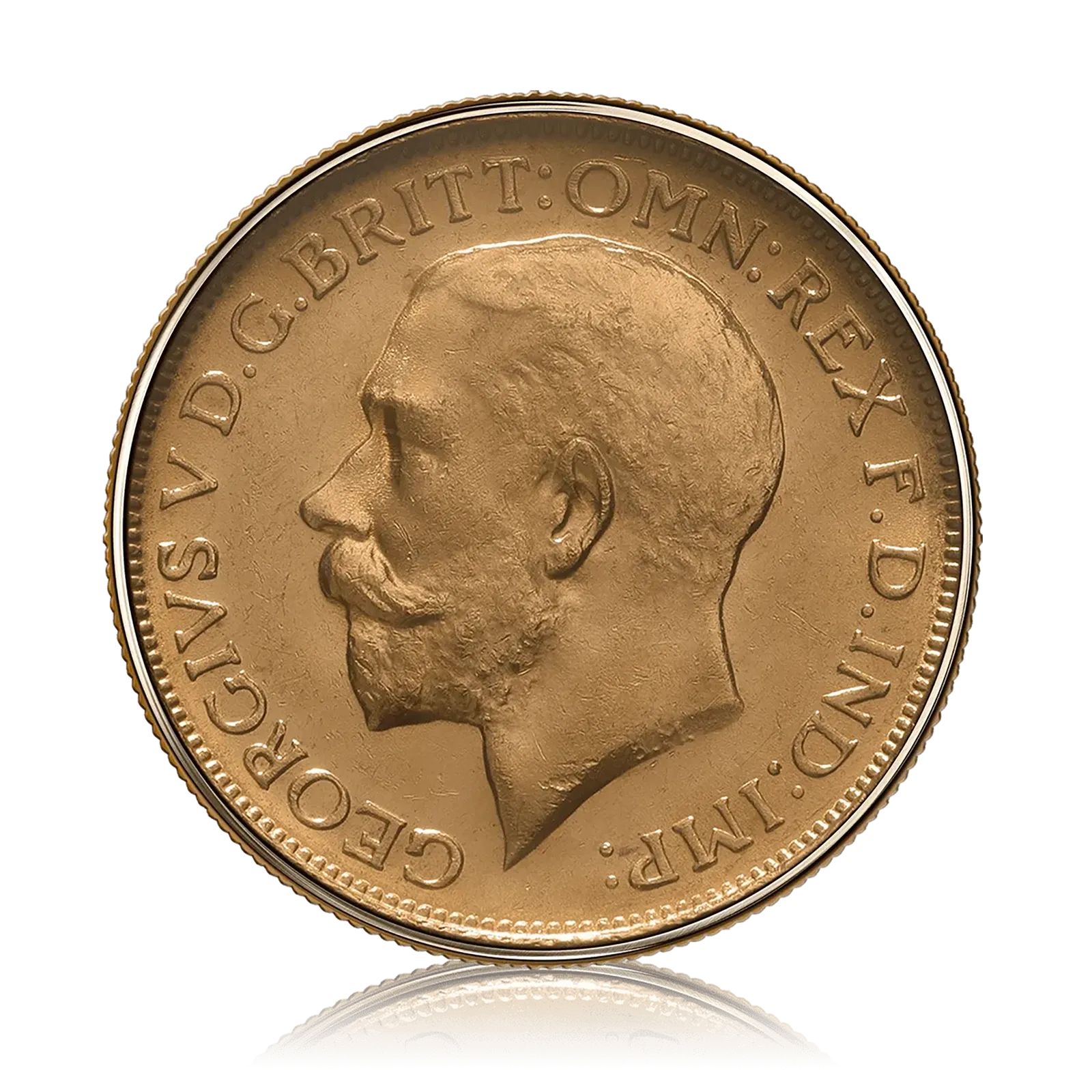
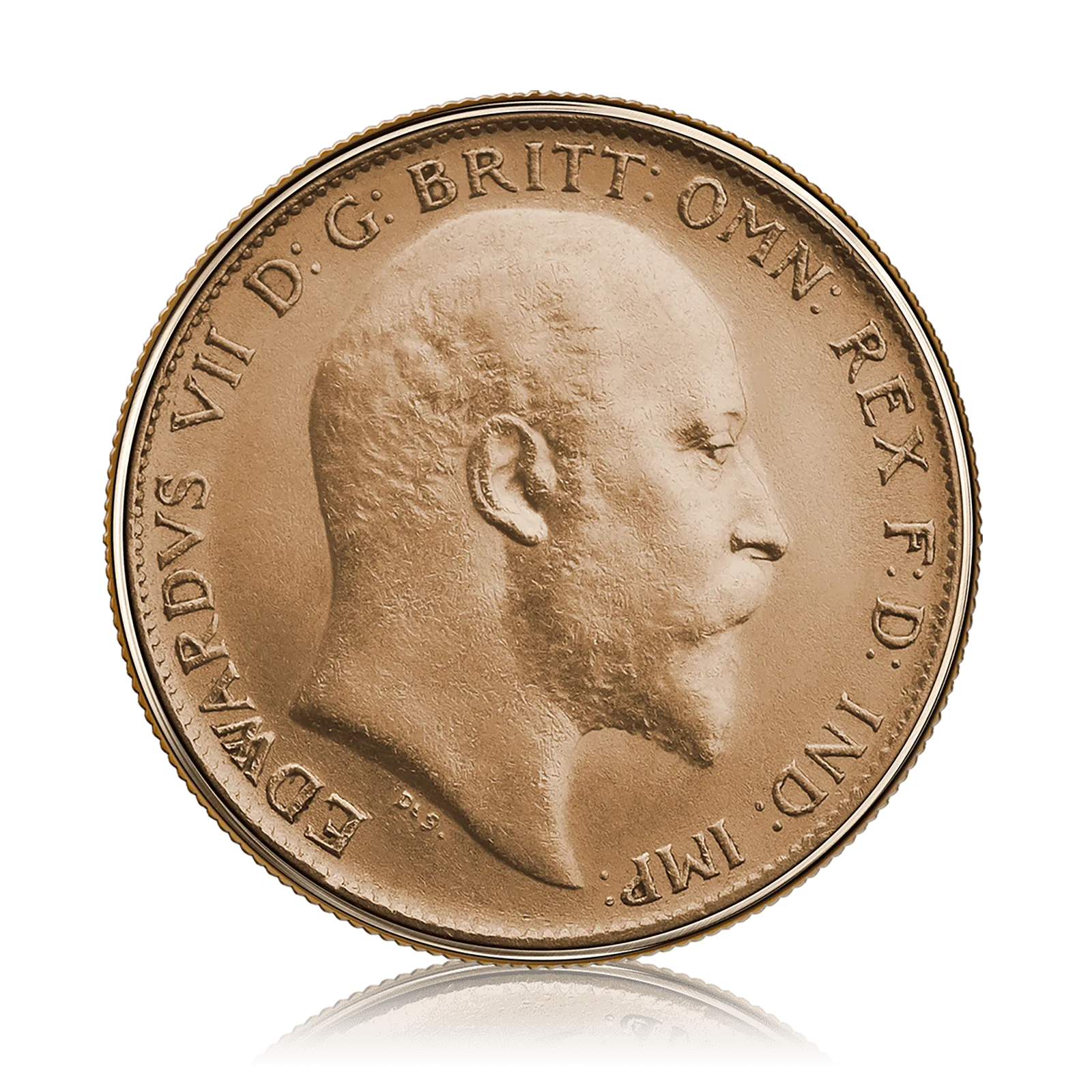
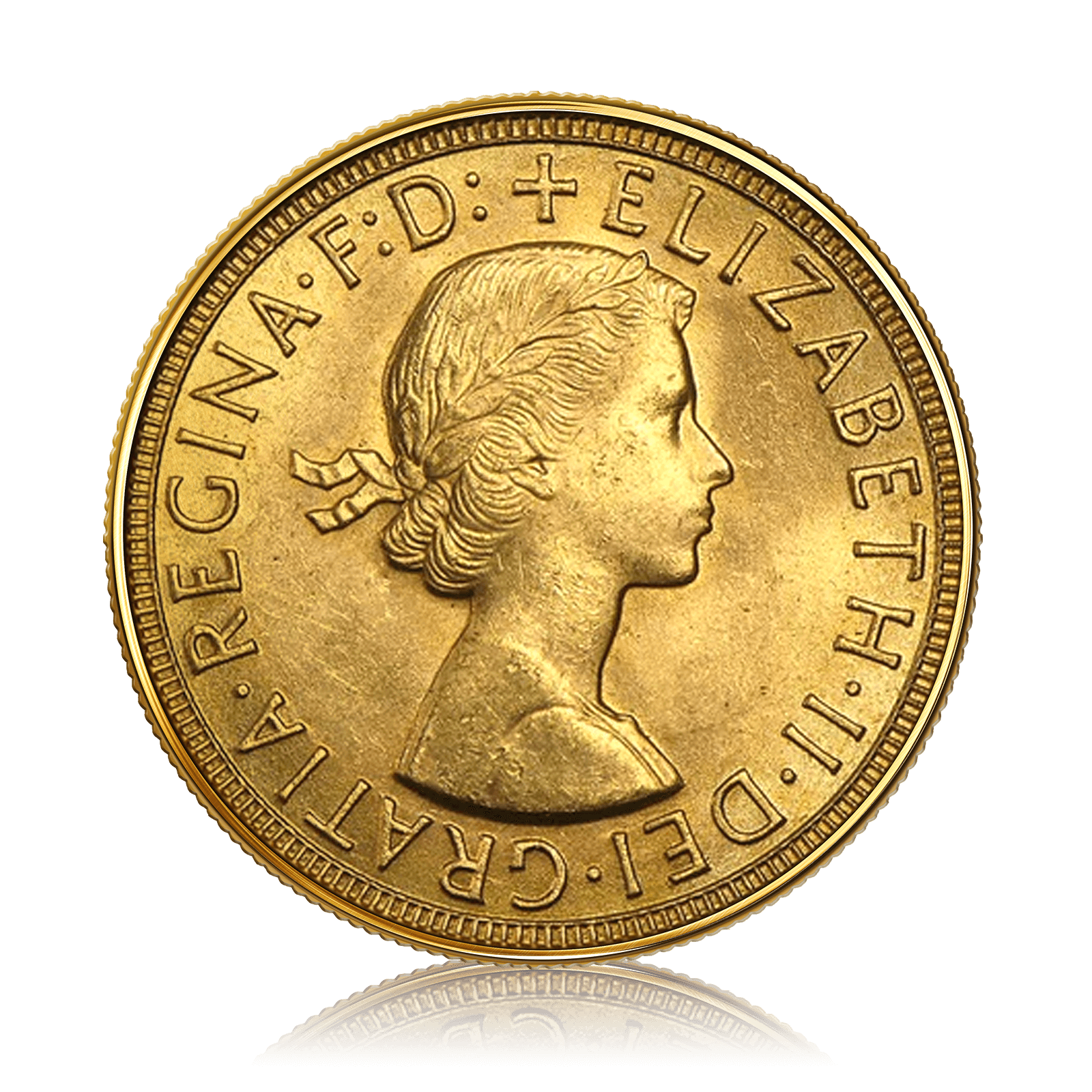
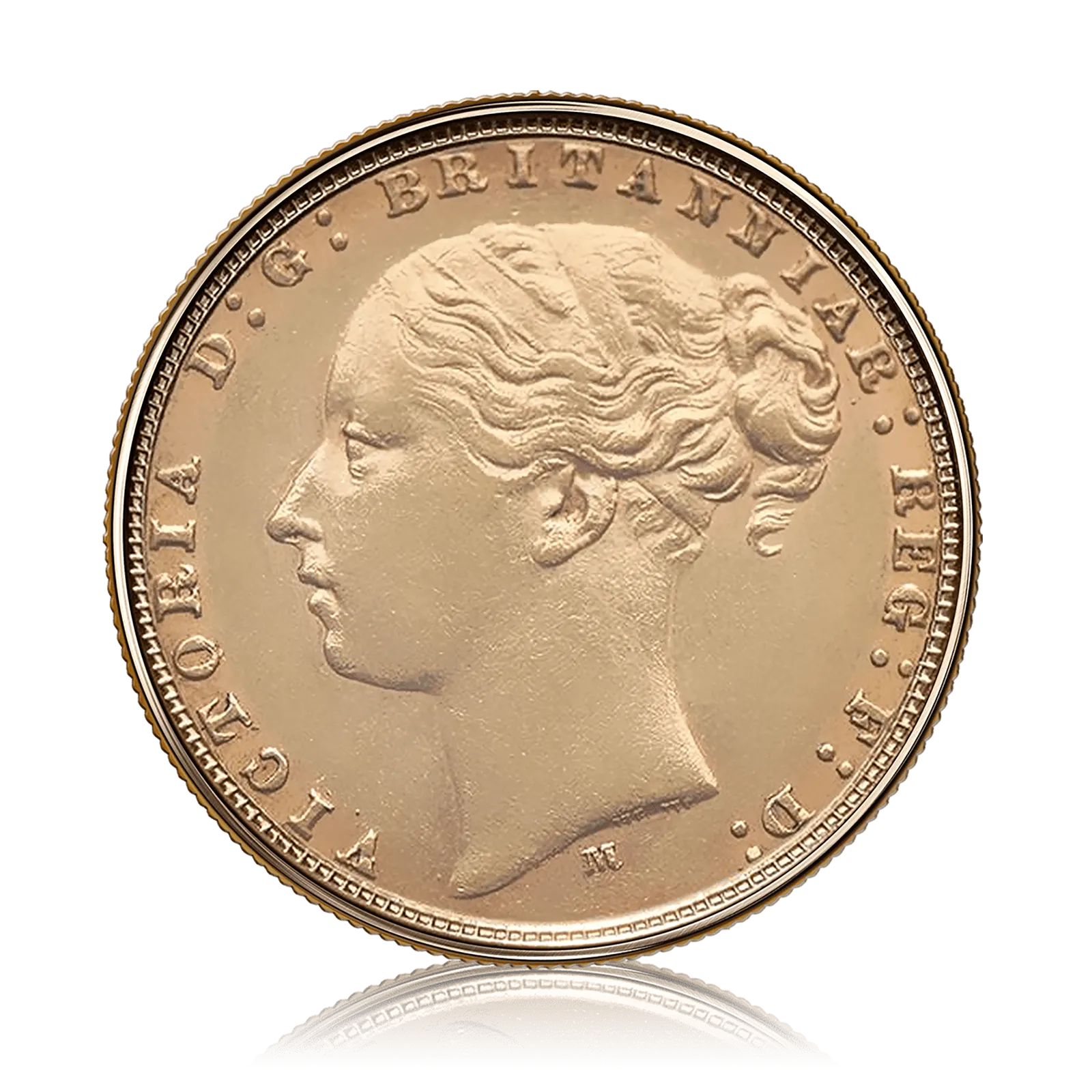
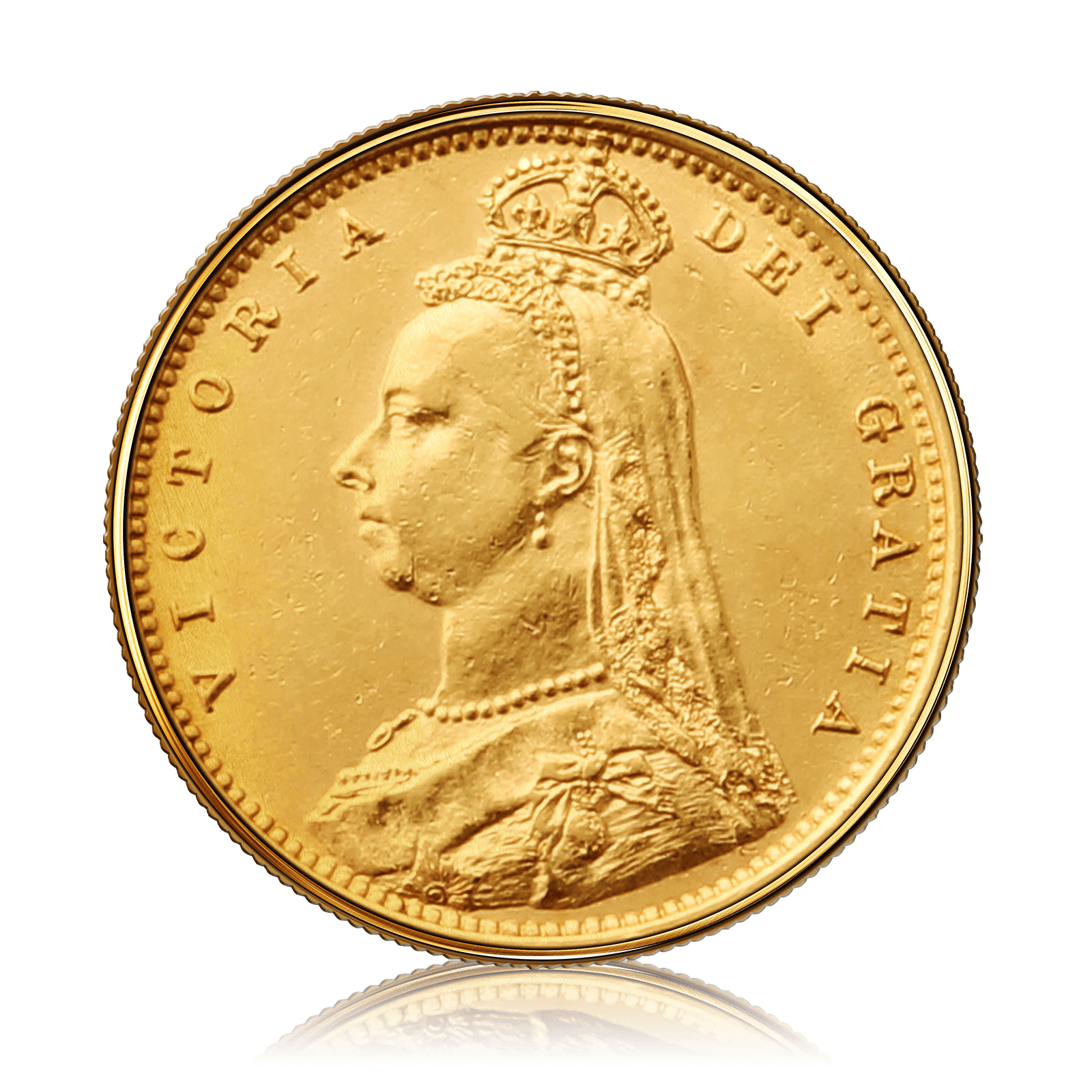
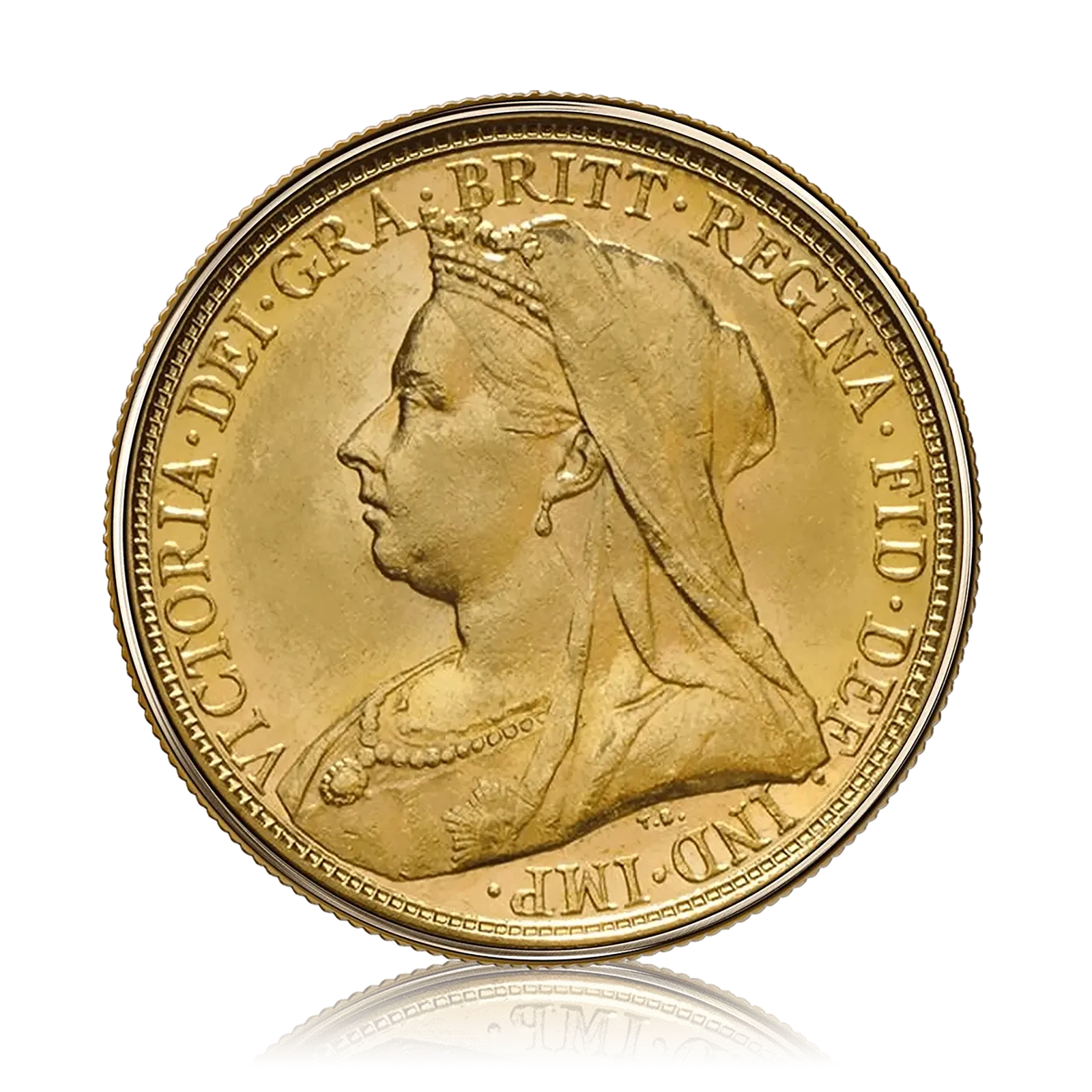
UK legal tender coins such as Gold Britannias and Sovereigns are exempt from CGT. Because they are officially recognised as currency by the Royal Mint, any profit you make when selling them is tax-free. It doesn’t matter how much they are worth above face value – HMRC sees them as money, not as an asset you trade.
This is why many UK investors prefer Britannias and Sovereigns. They are easy to buy and sell, recognised internationally and carry that built-in tax advantage. They are also often easier to divide or sell in smaller amounts if you only want to release part of your investment.
But, and there’s a but…non-UK coins such as Krugerrands, Maple Leafs and American Eagles, along with gold bars, are not legal tender in the UK. They are classed as investments, so CGT will apply if your profit exceeds your annual allowance.
What about VAT?
Some gold is considered an investment, while other gold is seen as a product or luxury item. HMRC taxes those categories very differently.
When you buy or sell investment-grade gold, there is no VAT to pay, either at purchase or sale. Investment-grade gold is defined as bars of at least 995 parts per 1,000 purity or certain recognised coins. This rule was introduced across the EU in 2000 to make it easier for people to buy and hold gold as a financial investment, much like shares or bonds.
The exemption covers:
- Gold bars or ingots with a purity of 99.5% or higher
- Gold coins that are at least 90% pure, minted after 1800 and traded at no more than 80% above their market gold value (for example, Britannias, Sovereigns and Krugerrands)
However, jewellery and collectables are not classed as investment gold. When new they include VAT at 20% just like any other luxury item. Jewellery is bought primarily for personal use, not for investment, so it falls under consumer goods rather than investment assets.
When jewellery is sold second-hand, specialists such as Gold Bank operate under the VAT margin scheme. This system only charges VAT on the profit margin (the difference between what the dealer paid and what they sell it for), not on the full sale price. It makes the process more transparent, avoids double taxation and keeps more of the gold’s value in your hands.
If you’ve inherited or been gifted gold
When you inherit gold, it is considered a personal possession, not a source of income. That means you do not pay tax at the point of inheritance.
If the overall value of the estate was large enough to trigger Inheritance Tax, that would have been dealt with during probate, before the gold was passed on to you. Once the gold is legally yours, HMRC sees it like any other asset you own. It only becomes taxable if you decide to sell it later and make a profit above the CGT allowance.
The same applies to gold you are given as a gift. You will not pay tax when you receive it, but if you later sell it for more than its original value, that gain may count towards your CGT limit for the year.
For example, if you inherit a Sovereign coin collection from a family member, you can keep or sell it tax-free until your overall gains exceed the allowance. As long as the coins are UK legal tender they remain fully exempt from CGT.
If gold becomes your business
If you’re buying and selling gold regularly with the aim of making profit, HMRC could class it as trading, not investing. That moves you from capital gains to Income Tax territory.
It’s rare for casual investors but if you’re running a resale operation or flipping gold often, you should keep records and check your status.
If in doubt, keep records of what you bought, when and for how much.
How to stay on the right side of HMRC
Even if you don’t owe tax, keeping clean records makes life easier. HMRC can ask for evidence of how you calculated your gain, even years later. Therefore it is suggested that you keep:
- Purchase receipts or invoices
- Sale confirmations or transfer notes
- Photos or valuations for older items
- Dates of acquisition and sale
Hopefully having these basics will help understand tax rules around gold. This information is provided for general guidance only and shouldn’t be taken as investment or tax advice. Tax rules can change, and your personal circumstances will affect what you owe. If you’re unsure, it’s always best to speak with a qualified financial or tax adviser.
If you’ve decided selling feels like the simpler option, Gold Bank can help. We offer secure, insured collection across London and transparent pricing so you know exactly what your gold is worth before you sell. Find out more here.