

 In Stock

 Low Stock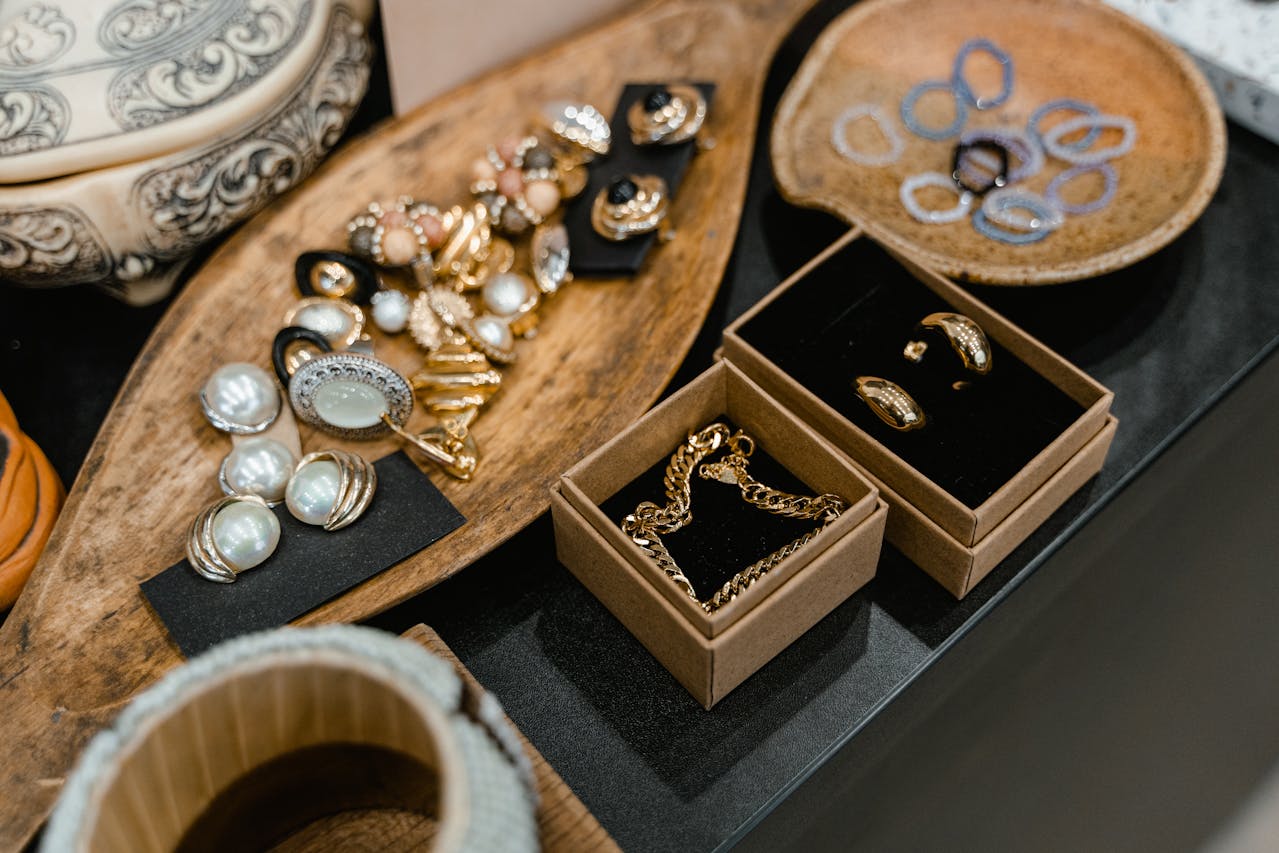
If you have scrap gold lying around, you might be wondering where to sell it for the best price. Your main options are local jewellers, specialised gold dealers, or online buyers. Each choice has its pros and cons depending on convenience, price, and trust.
The best place to sell your scrap gold often depends on how much you value speed, ease, and getting the highest cash offer. Local jewellers can offer quick payment but might pay less. Dealers may offer better prices because they deal with gold regularly. Online buyers give you convenience and competitive rates but require sending your gold by post.
Knowing what fits your needs will help you get a fair deal. This guide will help you weigh your options and choose the right place to sell your scrap gold.
Understanding Gold Scrap and Items You Can Sell
When selling gold scrap, it’s important to know exactly what items qualify and how they are valued. Not all gold objects have the same worth, and the condition, type, and purity affect their value. Knowing what buyers accept helps you prepare your items for sale.
What Qualifies as Scrap Gold?
Scrap gold includes any gold items that are no longer wanted or usable by you in their current form. This can include broken gold jewellery, old or damaged coins, and pieces that are no longer wearable.
The purity of the gold is key. Scrap gold is often measured in karats, like 9K, 14K, or 18K, with higher karat gold worth more. You can also sell gold bars and bullion, as these are pure forms of gold.
Items with damaged settings, missing stones, or worn-out parts usually qualify as scrap, as their value mainly comes from the gold content itself, not design or brand.
Types of Gold Items Accepted by Buyers
Buyers usually accept a wide range of gold objects, including:
- Broken gold jewellery such as chains, rings, and earrings
- Old gold jewellery that you no longer wear or want to sell
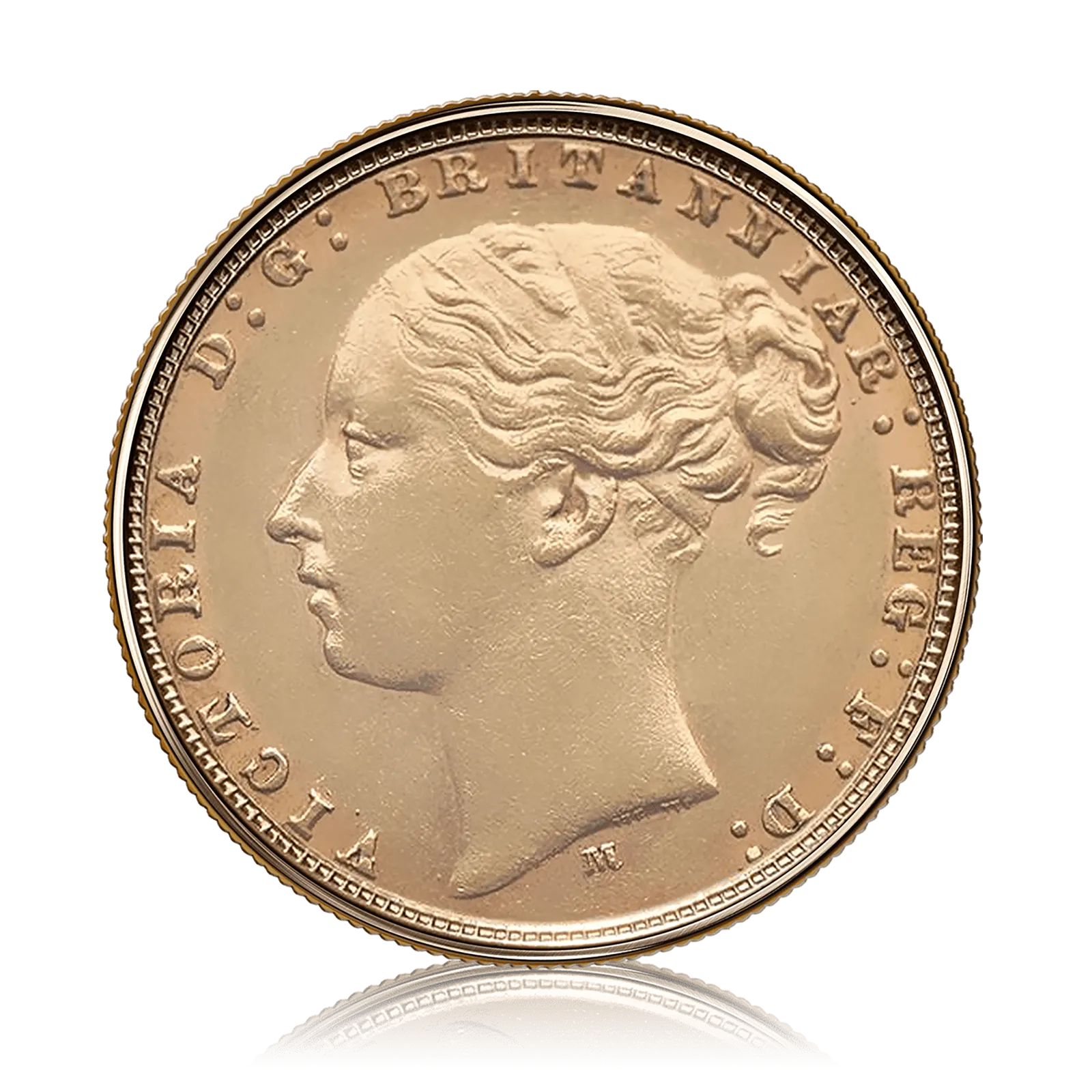
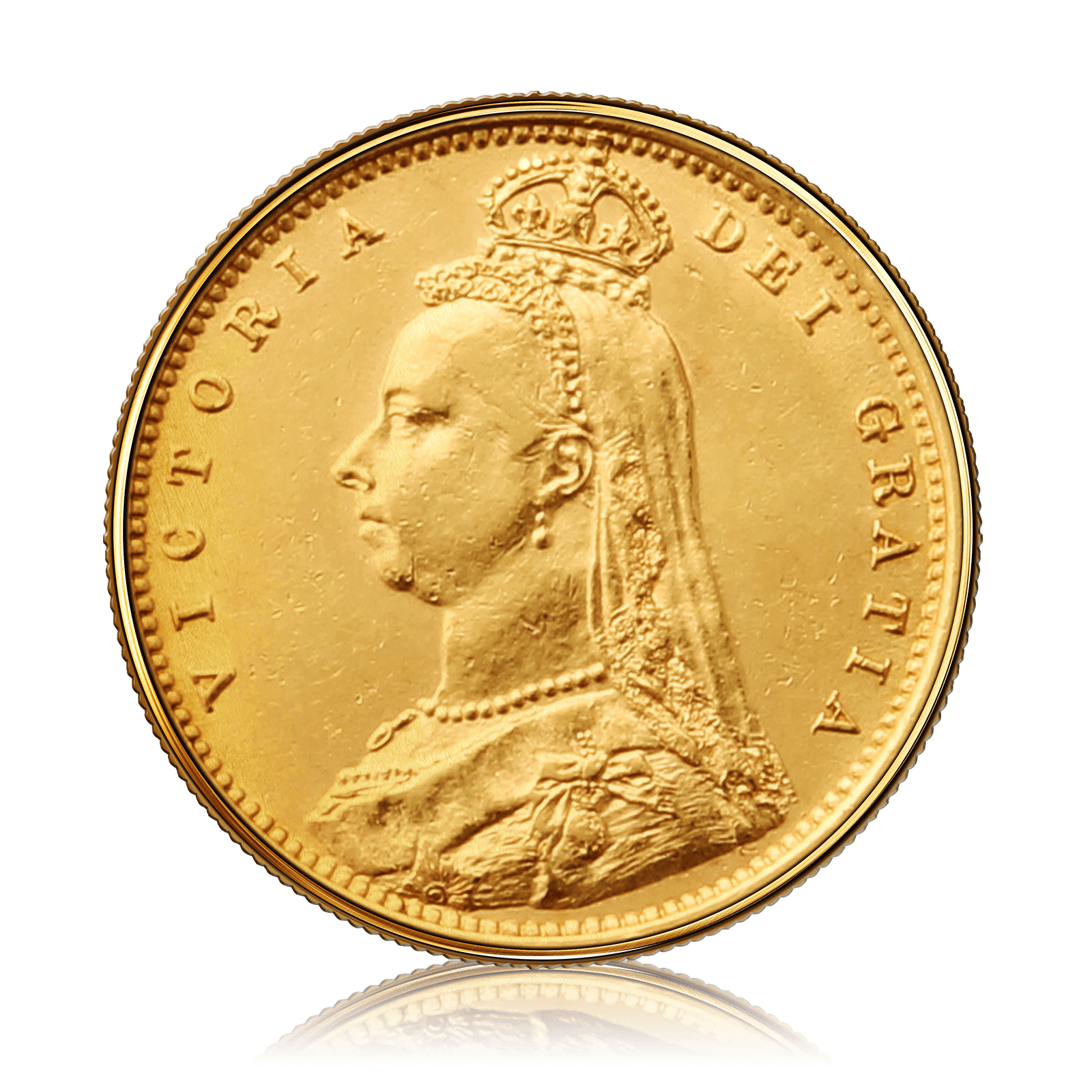
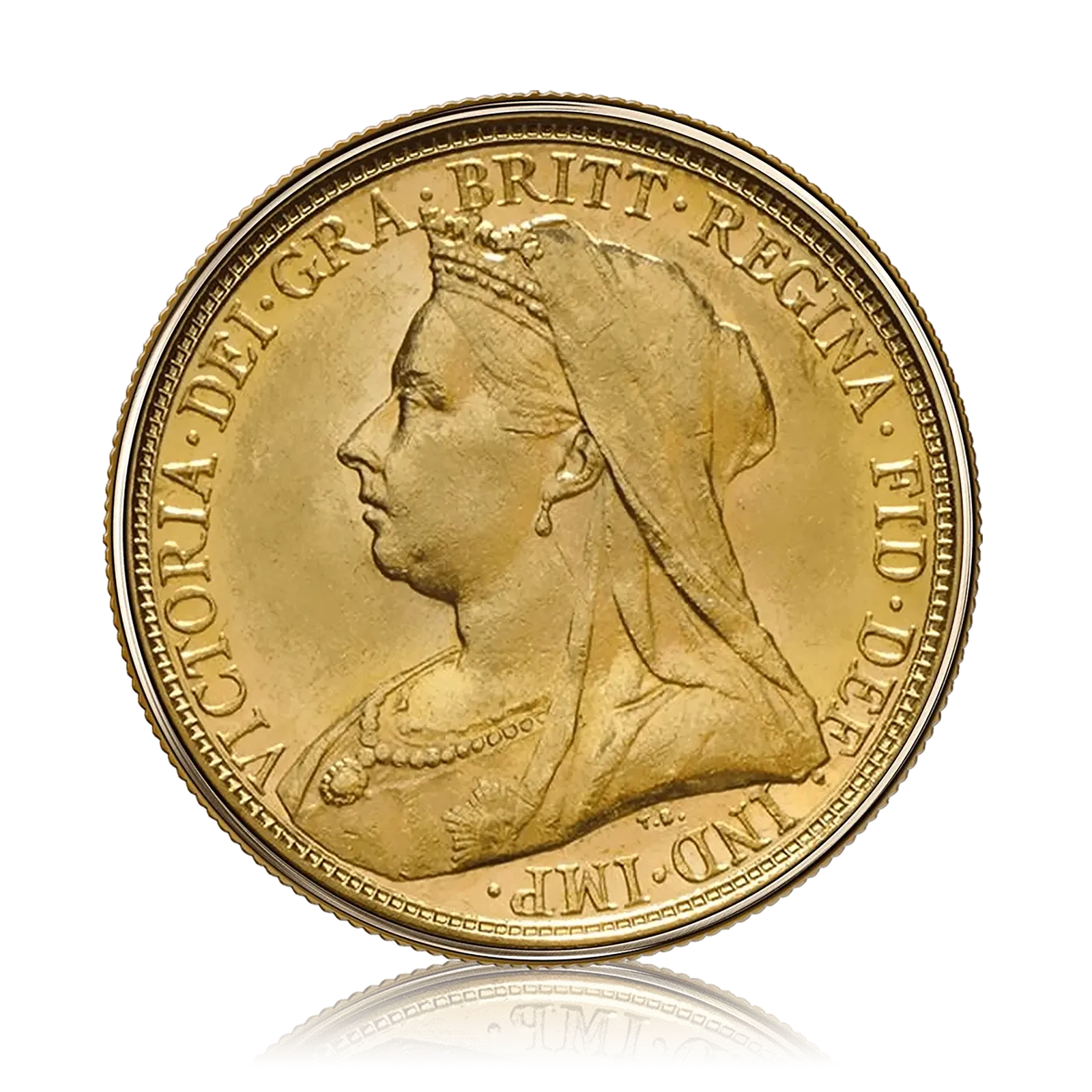
- Gold coins that may or may not have collector value
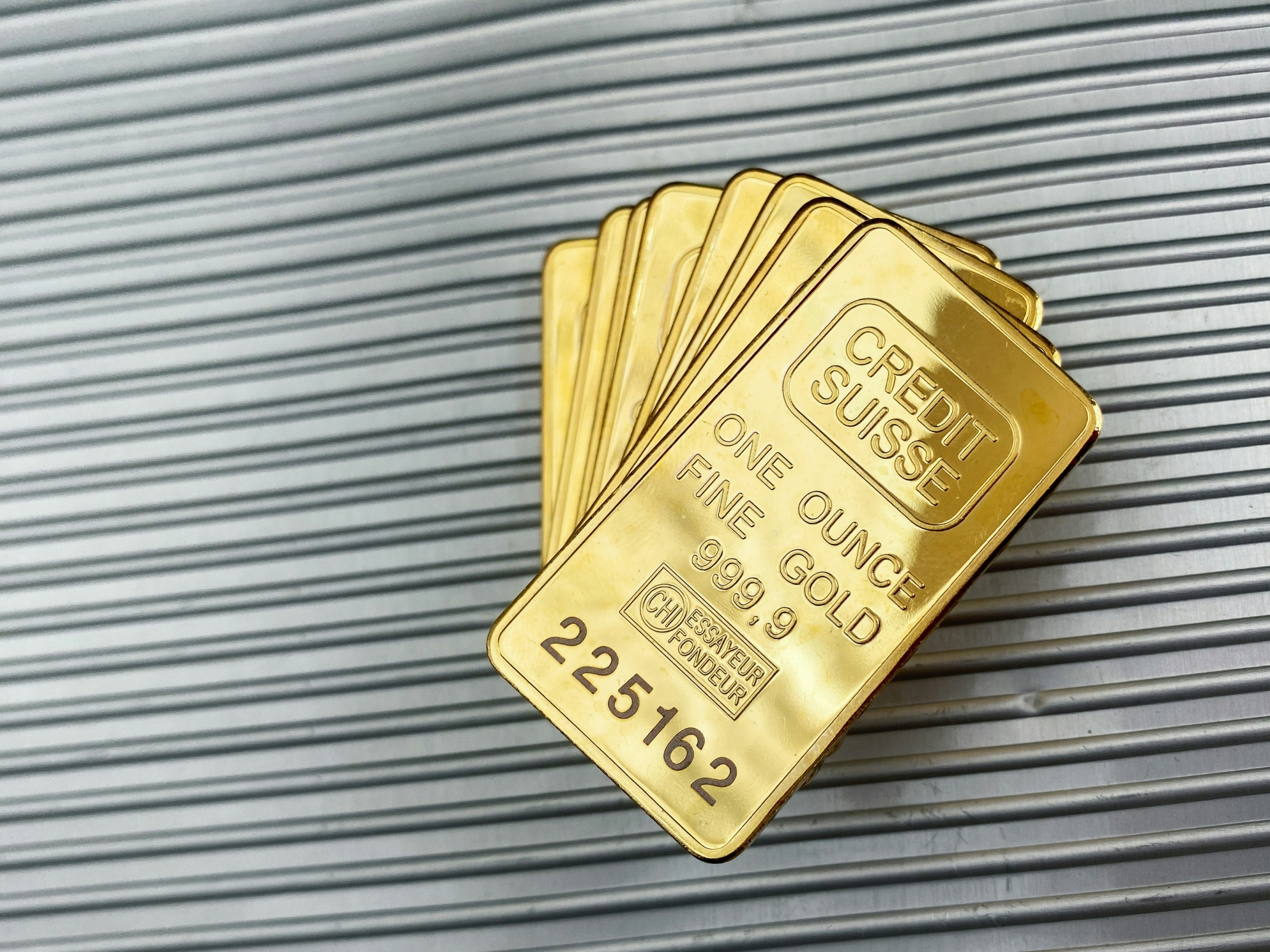
- Gold bars and bullion, which are easy to value by weight and purity
- Unwanted gold items, including vintage watches that contain gold parts
Most reputable dealers and jewellers will look at the gold’s karat and weight to determine value rather than the item’s condition. However, if your items have gemstones or designer labels, some buyers may treat these differently.
Valuing Old Jewellery and Broken Gold
When valuing old jewellery or broken gold, the weight and purity of the gold are the main factors. Buyers will often use scales to measure weight in grams or ounces. The price paid depends on current market gold rates.
If your jewellery is damaged, missing pieces, or heavily worn, those features usually lower the price if the buyer is focusing on scrap value. However, if the piece has a known brand, is an antique, or has rare design elements, you may get more by selling it to a jeweller or through auction.
Buyers will look for hallmarks and stamps to verify the gold content. Items without clear markings might be tested before a price offer is made, which can affect how much you get paid.
Key Factors to Consider Before Selling Gold
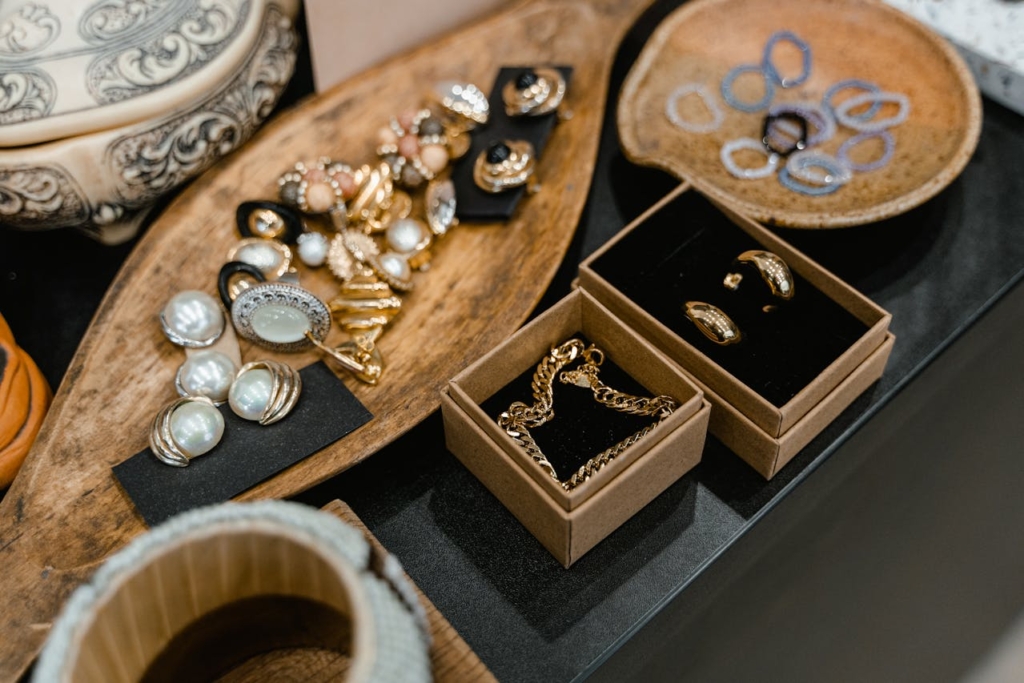
When you decide to sell gold scrap, knowing certain details can help you get a fair price. Understanding your gold’s specifics, being aware of current market rates, and comparing offers can all impact the money you receive.
Knowing Your Gold’s Weight and Purity
The weight and purity of your gold are the main factors buyers use to calculate its value. Purity is measured in karats, with 24K as pure gold. Scrap gold may be lower, such as 9K or 18K, which affects its price.
Use a precise scale to find your item’s weight in grams. Then, check for hallmarks or stamps to confirm its karat purity. Without these, buyers may test the gold before making an offer.
Knowing this helps you understand the base value of your gold before you sell. It is critical since gold buyers pay you for the actual gold content, not the jewellery design or brand.
Importance of Market Gold Price
The price of gold changes every day, influenced by global supply and demand, currency strength, and economic conditions. You should check the current gold price per gram before selling.
Online sources like the London Bullion Market Association (LBMA) provide live prices based on pure gold (24K). Sellers often get a percentage of this price depending on the purity of their gold.
Timing your sale when gold rates are higher can increase your earnings. Avoid selling when prices drop unless you need cash immediately.
Getting Multiple Quotes from Gold Buyers
Different buyers offer different prices for the same gold. Jewellers, scrap dealers, pawn shops, and online buyers all have varying fees and rates. It is best to get several quotes before making a decision.
When asking for prices, provide details about your gold’s weight and purity upfront. Compare offers not just by how much they pay but also by the convenience, payment speed, and trustworthiness of the buyer.
Some buyers charge hidden fees or offer lower rates for damaged or mixed items. Getting multiple quotes puts you in a better position to negotiate and choose the best option for your gold scrap.
Looking to sell gold scrap, silver jewellery, gold coins, or even gold bars? At Gold Bank, we offer a fast and secure way to sell or buy gold online UK-wide. Whether you’re clearing out old items or looking to cash in on your investments, we provide top rates and expert service. Call us today to see what we can do for you!
Comparing Selling Options: Jewellers, Dealers, and Online Platforms
When selling scrap gold or unwanted jewellery, different buyers offer distinct advantages and challenges. Understanding how local jewellers, specialist dealers, and online buyers work will help you choose the option that suits your priorities for price, convenience, and security.
Local Jewellers: Pros and Cons
Local jewellers are easy to access and provide immediate cash for your gold jewellery. You can visit in person, have your items assessed on the spot, and get paid quickly. This face-to-face interaction can feel more trustworthy for many sellers.
However, jewellers often act as middlemen. They resell to specialist gold dealers, so their offers tend to be lower to cover their costs and profit margins. This means you might receive less money compared to other buyers.
Jewellers may also give better offers for designer or branded jewellery, but for plain scrap gold, their prices are usually less competitive.
Specialist Gold Dealers and Precious Metal Buyers
Specialist dealers focus on buying precious metals like gold bars, scrap gold, and scrap jewellery directly. Because they work in high volumes and have lower overheads, they normally pay closer to the true gold value.
You can find dealers locally or online, but established dealers provide formal valuations and certificates to prove authenticity. Many accept walk-in sales or appointments, providing secure and quick transactions.
The downside is that finding a reputable dealer requires some research. You’ll want to compare offers and check reviews to avoid lowball deals or scams. Still, these dealers often give the best prices for scrap gold and larger quantities.
Online Gold Buyers and Postal Services
Online gold buyers offer a convenient way to sell if you prefer not to leave home. You send your scrap gold or old jewellery by post, and they provide a valuation usually within a few days.
These services often compare prices quickly and may have higher offers than local jewellers because their costs can be lower. Many provide free, insured posting kits to protect your items during transit.
However, postal services come with some risk, including potential delays and concerns over losing items or disputes on valuations. You also need to be sure you choose an established and trusted buyer with clear terms.
| Option | Key Benefits | Drawbacks |
|---|---|---|
| Local Jewellers | Immediate payment, local trust | Lower prices, middleman markup |
| Specialist Dealers | Higher payouts, secure deals | Need to find trustworthy dealer |
| Online Buyers | Convenience, often better rates | Postal risk, longer waiting time |
How to Maximise Your Return When Selling Gold
Knowing how buyers calculate prices, spotting extra charges, and checking reputations can boost the money you get from your gold. You also need tools to see if offers match current gold value.
Understanding Fees and Hidden Costs
Some buyers add fees that lower your payout without warning. These might include assay fees, where your gold is tested, or storage fees if the buyer delays payment. Always ask for a full list of fees before agreeing to sell.
Check if the price offered is before or after fees. This affects how much cash you actually receive. Avoid buyers who keep fee details vague or refuse to share them upfront.
Compare offers by looking at the net amount, not just the gross price. This helps you avoid surprises and choose the best deal for your scrap gold.
Negotiating with Buyers for Better Prices
Buyers often expect you to negotiate, especially in person at jewellers or pawn shops. Don’t accept the first offer if it seems low.
Research the current gold price beforehand. Use this knowledge to ask for an offer closer to market value. Highlight if your gold has higher purity or includes extra items like diamonds, which add value.
Be polite but firm. You can say things like, “I’ve seen higher offers elsewhere for similar items.” If a buyer refuses to negotiate, consider walking away to seek better prices.
Using Gold Calculators for Accurate Valuation
Gold calculators let you estimate the value of your scrap gold based on weight, purity, and current gold price. Use reputable websites to find calculators that update daily prices.
Weigh your gold accurately with a scale that measures grams. Check the karat to understand purity, as 24K is pure gold while 9K or 14K contains less gold.
Input these numbers into the calculator to get an approximate value. This helps you judge if a buyer’s offer is fair or low. Keep in mind, calculators provide estimates; actual offers may differ due to fees.
Reading Reviews and Checking Company Reputation
Look for reviews online before selling your gold to any dealer or jeweller. Trustworthy buyers tend to have clear, mostly positive reviews and good customer feedback.
Check if the company is registered and follows local laws about gold trading. Avoid businesses with many complaints about unfair prices or delays in payment.
You can also ask for recommendations from friends or family who have sold gold recently. A solid reputation often equals fair pricing and secure transactions.
Use business rating sites and forums focused on gold selling to get reliable opinions before you sell.
Selling Specialist Items: Coins, Bars, and Vintage Pieces
Your approach to selling specialist gold items changes depending on what you have. Coins, bars, and vintage pieces each require different knowledge and careful handling to get the best value. Knowing where to sell and how to prepare these items is key to a successful sale.
Selling Gold Coins and Bullion
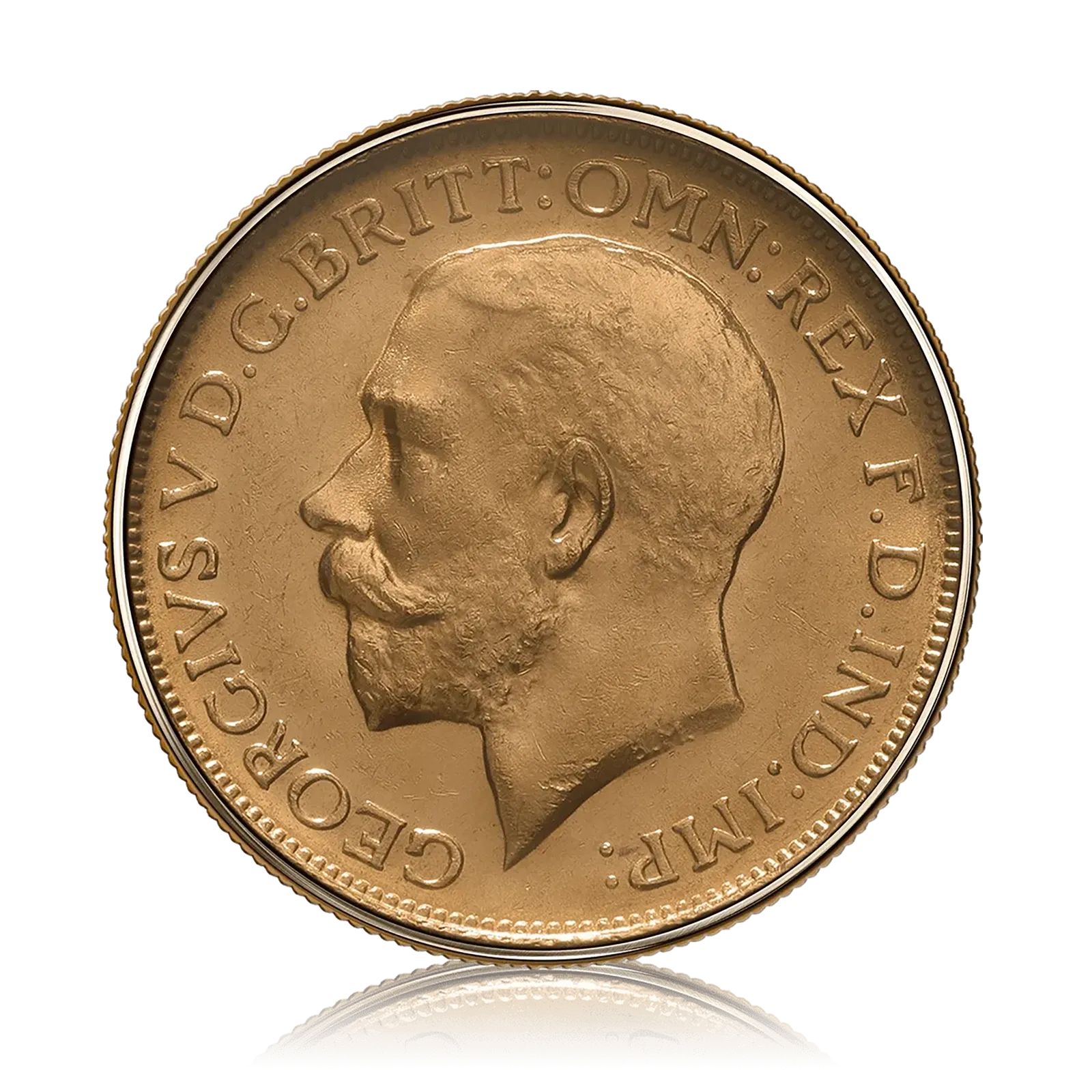
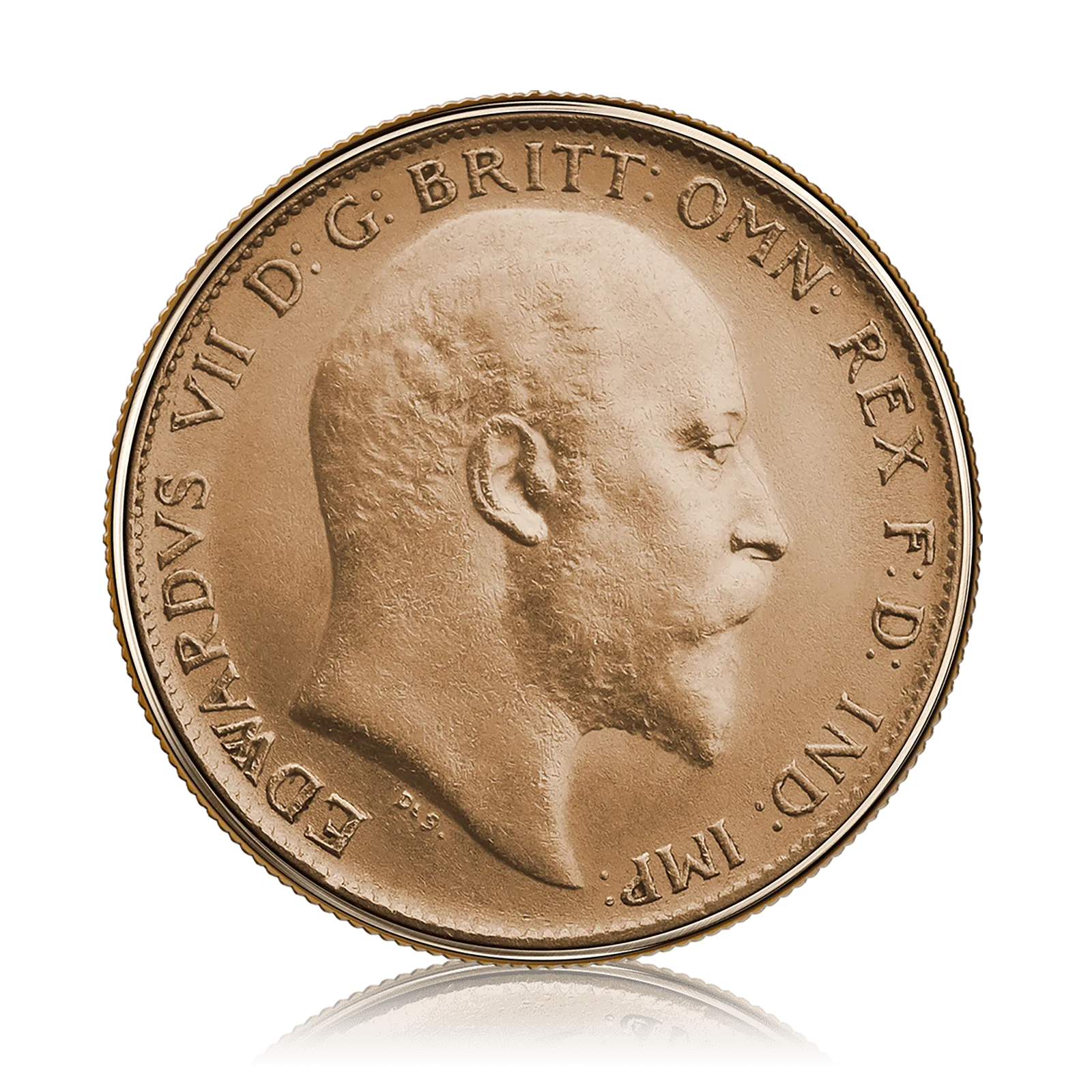
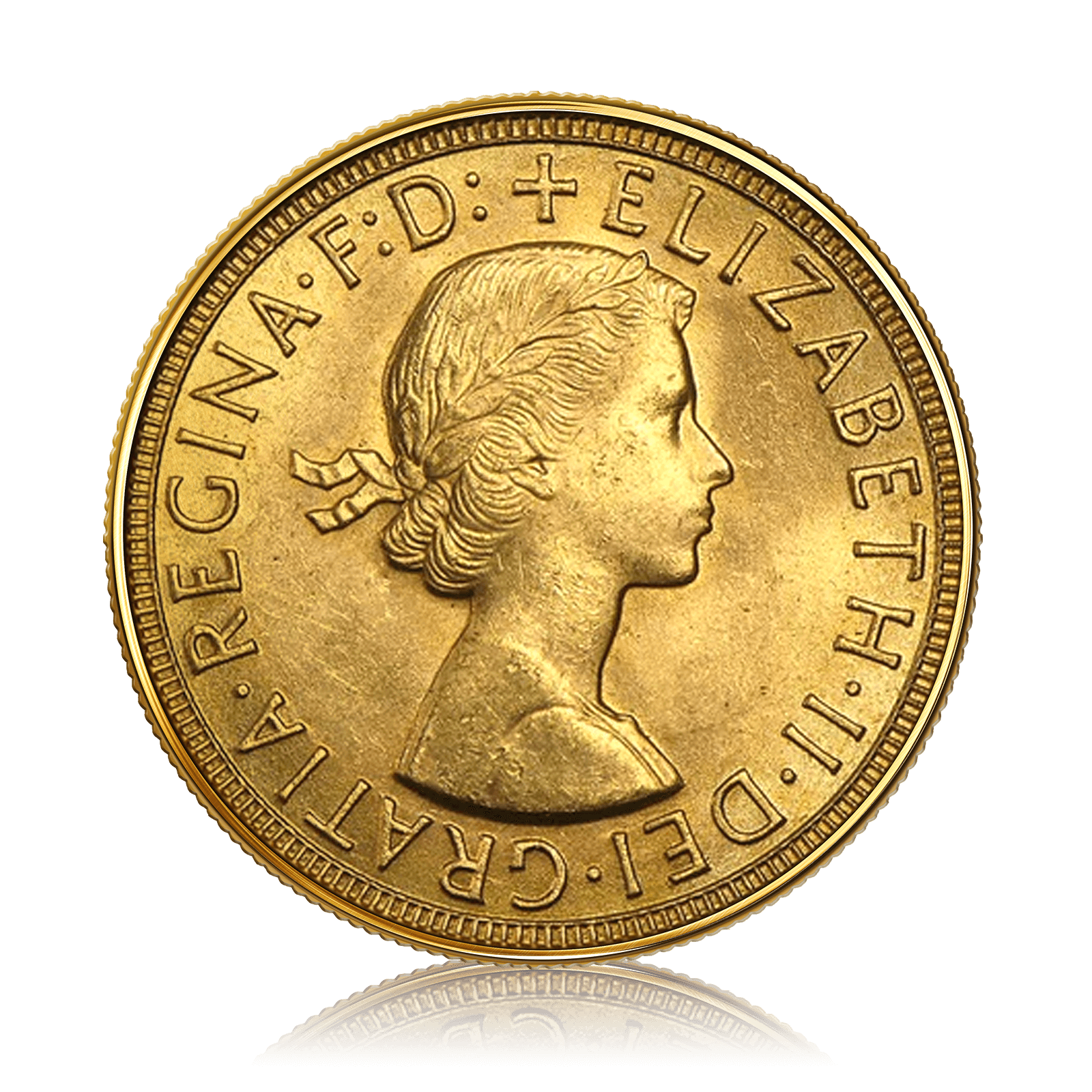
Gold coins and bullion often hold value beyond their gold content. Some coins are rare or historic, which can increase their price. Before selling, check if your coin is collectible or mainly valuable for gold weight.
Use reputable dealers or specialised coin shops that understand the market for gold coins. Compare offers online and in-store to find the best price. Look for buyers with transparent pricing based on current gold rates, like the London Gold Fix.
Keep your coins in good condition and avoid cleaning them, as this can reduce their value. Always ask for proof of authenticity or certification if you have it.
Best Practices for Gold Bars
Gold bars are usually valued by weight and purity. When selling them, ensure you have documentation proving their authenticity, such as assay certificates or purchase invoices.
Choose buyers who specialise in bullion or precious metals. They tend to offer fair prices based on market rates. Many online platforms offer instant quotes and insured postage to make the process secure and convenient.
Before selling, confirm the buyer’s credibility through reviews or ratings. Understand the fees involved to avoid surprises and compare offers from multiple sources to ensure you get the best deal.
Dealing with Vintage Watches and High-Value Items
Vintage watches and other high-value gold items require expert evaluation. Their worth depends not only on gold content but also on brand, condition, and rarity.
You should seek professional appraisals at auction houses or specialist dealers. Some offer free valuation days or consultations.
Selling through auctions can help you reach collectors willing to pay a premium. However, if speed is a priority, private sales to trusted dealers might be better.
Always keep original paperwork and servicing records, as these can enhance your item’s value. Avoid hurried sales without proper verification to protect your investment.
From gold bar selling to platinum bars and more, our process is simple, transparent, and fully insured. We accept a wide range of precious metals and guarantee competitive offers. Start your journey with Gold Bank today – the trusted choice for selling your silver and gold online in the UK.