

 In Stock

 Low Stock
Selling gold bars can seem complicated, but it doesn’t have to be. To sell your gold bars successfully, you need to understand their value, find a trustworthy buyer, and choose the right selling method to get the best price. Knowing the current market price and the condition of your bars will help you make informed decisions.
You have several options when selling gold, including dealers, online platforms, and buyback services. Each method has its pros and cons, so it’s important to weigh these carefully. Being aware of common mistakes and legal considerations will also protect your investment.
This guide will walk you through what you need to know about selling gold bars. You’ll learn how to check prices, prepare your gold, and identify reputable buyers, giving you confidence throughout the process.
Understanding Gold Bars and Gold Bullion
When you sell gold bars, it helps to know what type they are, how they differ from other forms of gold, and what their purity and weight mean. These factors affect the value and ease of sale, so understanding them is key to getting the best price.
Types of Gold Bars
Gold bars come in different sizes and shapes, ranging from small 1 gram bars to large 1-kilogram or even 400-ounce bars. Common bars you might own include branded bars from well-known mints or refineries and generic bars without a specific maker’s mark.
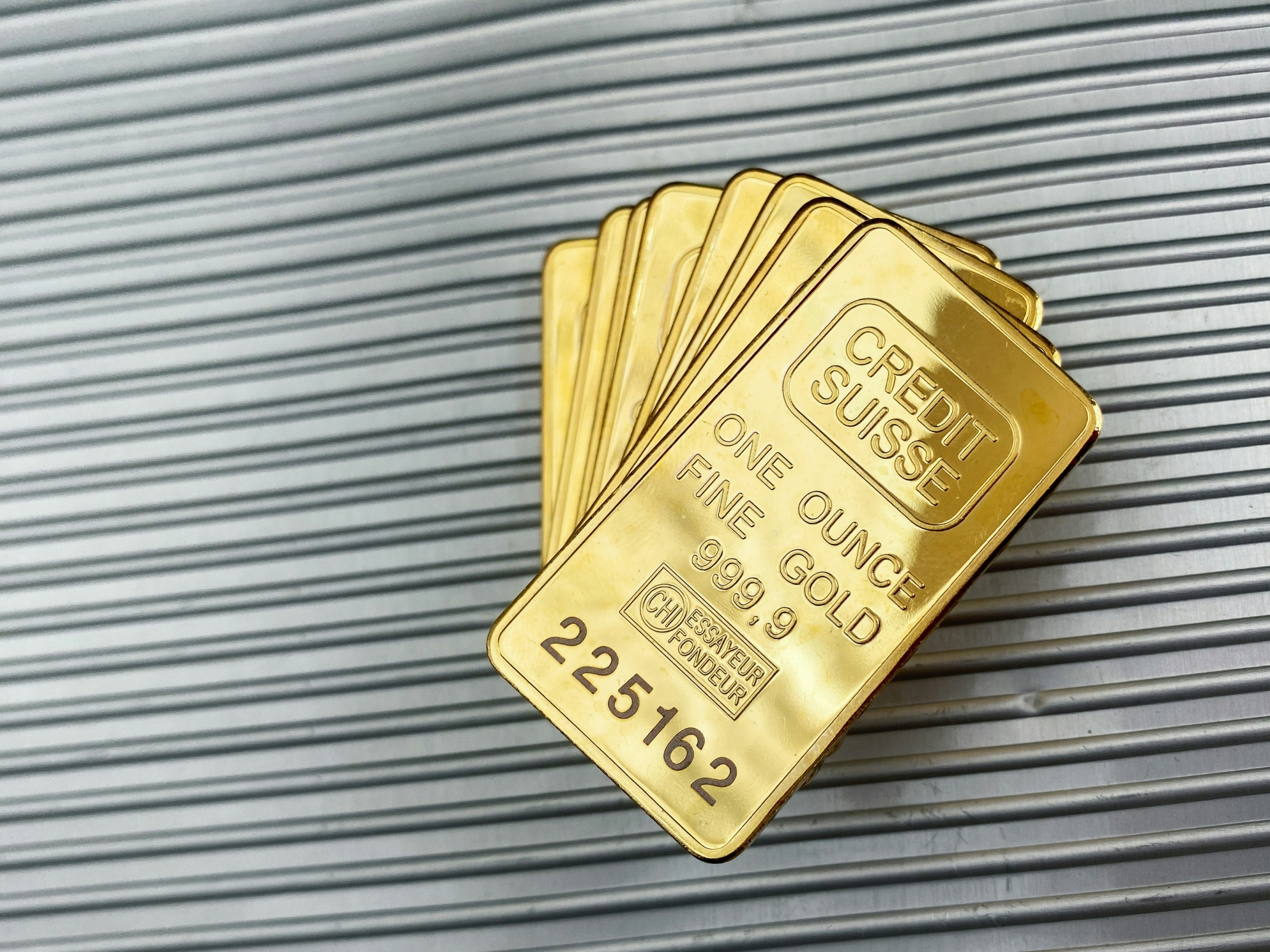
These bars usually carry a stamp showing weight, purity, and sometimes a serial number. This information tells buyers that your gold is authentic and helps determine its value. Larger bars often have lower premiums per gram but may be harder to sell in smaller portions.
Gold Bullion vs. Other Forms of Gold
Gold bullion means gold in a physical form, such as bars or coins, made specifically for investment, not jewellery. It is valued mainly for its metal content and purity rather than design or brand.
Unlike items like 24k gold jewellery, which can have extra value from craftsmanship, gold bullion’s worth depends on the current market price of gold. You should know that bullion coins also qualify as gold bullion, provided they meet purity and weight standards. These forms are easier to sell for their metal value compared to decorative gold items.
Purity and Weight Explained
Gold purity is measured in karats or fineness. Pure gold is 24 karats (24k), with a fineness of 999.9, meaning 99.99% purity. Most gold bars you sell are 24k, which is standard for investment-grade gold.
Weight is usually marked in grams or ounces, with the price calculated based on the current spot price per unit of weight. When selling, precise weight and purity stamps help buyers quickly verify your gold’s value.
Key details to check on your gold bar:
| Attribute | What to Look For |
|---|---|
| Purity | Usually 24k or 999.9 |
| Weight | Marked in grams or ounces |
| Mint or Brand | Refiner’s stamp or logo |
| Serial Number | Sometimes included |
Knowing these factors helps you understand exactly what you have and how much it can be worth.
How Gold Bar Prices are Determined

The price you get for your gold bars depends on several clear factors. It is important to understand the basic market price, what influences this price, and how your particular gold bar’s features affect its value. Knowing these details will help you find the right price when selling.
Spot Price of Gold and Market Price
The spot price of gold is the current price per ounce or gram that you see quoted on financial news and market websites. This price changes constantly during trading hours due to supply and demand worldwide.
The market price of gold that sellers like you will get is usually close to the spot price but can differ slightly. Buyers may pay less than the spot price because they need to cover costs such as refining, taxes, and profit margin.
You should check a trusted source for the latest spot price before selling. This price forms the basis of what your gold bars are worth on the day you sell them.
Factors Affecting Gold Prices
Gold prices shift because of global economic conditions like inflation, political events, and currency strength. For example, if inflation rises, gold often becomes more valuable as a safe investment.
Other factors include:
- Market demand: Higher demand from investors or central banks can push prices up.
- Supply levels: Mining output and recycled gold availability affect how much gold is on the market.
- Geopolitical tensions: Uncertainty in world politics can increase gold’s price as investors seek safety.
Understanding these factors can help you time your sale for the best price.
Valuing Your Gold Bars
When valuing your gold bars, the three key points buyers look at are:
| Factor | Explanation |
|---|---|
| Weight | Price is based on how much your bar weighs. |
| Purity | Measured in karats or fineness (e.g., 24K or .999 purity). Higher purity means higher value. |
| Current Gold Price | Price per gram or ounce from the market or spot price. |
Your bars should come with certification or assay marks proving their weight and purity. This helps buyers trust the value and pay a fair price.
If your bars lack certification, the value may be less because buyers take extra risk verifying authenticity and purity.
Finding the Best Buyers for Your Gold Bars
You need to find trustworthy buyers who offer fair prices and clear terms. It helps to know the difference between online and in-person sellers, and why getting multiple quotes is important before selling your gold bars.
How to Choose Reputable Bullion Dealers
Look for bullion dealers with strong reputations and positive reviews. Check if they are members of recognised industry groups or hold licences. This reduces the risk of scams or low offers.
Make sure the dealer provides clear information about fees, payment methods, and how they calculate prices. Some dealers appraise your gold bars in front of you, which adds transparency.
Ask about their process for assessing gold purity and weight, as this impacts your payment. A reputable dealer should be willing to explain these steps.
Selling Gold Bars Online vs. In-Person
Selling gold online offers convenience and access to more buyers. Online gold buyers often provide competitive rates based on live market prices. However, you should verify the website’s security and look for clear terms around shipping and payment.
In-person sales, such as at bullion dealers or pawnshops, allow you to get immediate payment and personally confirm the buyer’s credibility. This can feel safer, especially if you prefer direct interaction.
Both methods have risks: online sales require careful packing and trusted couriers, while in-person sales may give lower offers due to overhead costs.
Comparing Gold Buyers and Getting Multiple Quotes
Always get quotes from at least three different gold buyers. This helps you understand the current market value and avoid low offers.
When comparing quotes, consider:
- Price per gram or ounce of gold
- Fees or commissions deducted
- Payment speed and method
- Buyer reputation and reviews
Use a simple table to track offers:
| Buyer Name | Price per Gram | Fees | Payment Method | Payment Time | Notes |
|---|---|---|---|---|---|
| Bullion Dealer A | £45.00 | None | Bank Transfer | 1-2 days | Trusted, local |
| Online Buyer B | £44.50 | £10 fee | PayPal | 3 days | Secure website |
| Pawnshop C | £42.00 | None | Cash | Immediate | Lower price but fast |
Check if any buyer adds hidden fees or unfavourable conditions before selling. This ensures you get the best deal for your gold bars.
The Step-by-Step Process to Sell Gold Bars
When selling gold bars, you need to be organised and careful at every step. This includes having all the right documents, comparing offers from buyers, and ensuring your gold reaches the buyer safely. Each part plays a vital role in getting fair value and avoiding problems.
Preparing Documentation and Proof of Ownership
Before you sell, gather all your paperwork. This includes purchase receipts, certificates of authenticity, and any assay reports. These prove your gold bars are genuine and legally yours.
If you have gold coins like Krugerrands, certificates for those help too. Documentation reassures buyers about the quality and legal status of your items.
Make sure your identification is ready as well. Buyers and dealers often need proof of ID to comply with legal requirements, especially for large transactions. Without these, your sale could be delayed or refused.
Evaluating Offers and Negotiating
Start by checking the current gold price. Gold prices change daily, so this helps you know if the offers are fair. You can find live rates online.
Contact several buyers, including dealers and online platforms, to compare their prices. Ask about fees or commissions, as these affect your final return.
Negotiate confidently. If an offer seems low, explain why based on the gold’s purity, weight, and market price. Don’t accept the first offer unless it matches your research.
Keep in mind, some buyers specialise in gold coins like Krugerrands while others prefer bars. This can impact their offer.
Securely Shipping or Delivering Gold Bars
If you cannot meet a buyer in person, you will likely need to ship your gold. Use a fully insured courier service that specialises in valuables.
Package your gold bars discreetly to avoid drawing attention. Include tracking and signature confirmation for security.
Before shipping, confirm the buyer’s address and reputation. Many dealers provide secure collection services to reduce risks for sellers.
If delivering in person, choose a safe, public place or the dealer’s office. Never hand over gold without receiving payment or a verified escrow service.
Taking these precautions ensures your gold bars arrive safely and your payment is secure.
Maximising Returns and Common Mistakes to Avoid
To get the best price for your gold bars, you need to watch market trends, understand related costs, and protect yourself from dishonest buyers. Knowing when to sell, what fees to expect, and how to spot scams can improve your results.
Timing the Sale: Best Time to Sell Gold
The best time to sell gold is when prices are high, often during economic uncertainty or rising inflation. Gold tends to increase in value when other investments drop, so keep an eye on financial news and market trends.
You should follow gold price charts regularly. Selling during a local peak, even within a short period, can bring a better return. Avoid selling when prices are low, typically during stable economies or when interest rates rise.
Plan your sale carefully. If you don’t need immediate cash, wait for favourable market conditions. Timing your sale helps you maximise profit from your investment decisions.
Understanding Fees and Commissions
Selling gold often involves fees or commissions that reduce your total return. Dealers may charge processing fees or take a cut of the sale price.
Ask about all costs before agreeing to sell. Some buyers offer free appraisals but add hidden fees later.
Compare offers from several reputable dealers. Transparent fees and fair quotes help you decide where to sell.
Remember, a slightly lower gold price with no fees might be better than a high price with large commissions. Keep any paperwork and receipts for proof of sale and fee details.
Avoiding Lowball Offers and Scams
Lowball offers are common when sellers don’t know gold’s true value. Be cautious of buyers who push for a quick sale or refuse to provide detailed appraisals.
Scammers might use fake scales or dishonest reading methods. Always ask for a clear breakdown of how they value your gold bar.
Use trusted buyers and check reviews or recommendations. You can also get multiple quotes to compare prices.
Avoid anyone who pressures you or refuses to offer a written offer. Protecting yourself ensures you don’t lose money on your valuable gold.
Legal, Tax, and Regulatory Considerations
When you sell gold bars, it’s important to understand the financial and legal rules involved. Knowing how tax works, what paperwork you need, and how to keep proper records will help you avoid problems and make better choices when buying or selling gold.
Capital Gains Tax Implications
Selling gold bars in the UK may result in Capital Gains Tax (CGT) if you make a profit. CGT is charged on the difference between the price you bought the gold for and the price you sell it for. You only pay CGT if your total gains for the tax year exceed the tax-free allowance, which for 2024/25 is £6,000.
The rate of CGT depends on your total income and can be 10% or 20% for individuals. Gold coins classified as legal tender may be exempt, but bars generally are not. If you buy gold bars as an investment, keep in mind that frequent trading might be seen as a business, affecting your tax status.
Reporting Requirements and Compliance
You must report any taxable gains to HM Revenue & Customs (HMRC) through your self-assessment tax return. When you sell gold bars, note the dates of purchase and sale, as well as the amounts involved.
Failing to declare your gains or providing false information can lead to fines or legal action. If the value of your gold sales is large, HMRC may require additional documentation. Staying compliant requires honesty and attention to detail, especially if you buy gold online, where records might be less straightforward.
Keeping Records for Future Reference
Maintaining accurate and organised records is crucial when dealing with gold transactions. You should save purchase receipts, sale invoices, and any communication related to the gold bars.
These records help you calculate your profits correctly and support your tax return if HMRC questions your gains. Keep details like the weight of the gold, purity, and seller or buyer information. Good record-keeping will also help with future investment decisions, allowing you to track your portfolio’s performance clearly.
Ready to sell gold online UK? At Gold Bank, we offer more than just gold. You can also sell silver scrap, platinum bars and start selling silver jewellery all in one place. Our process is quick and easy—request your free insured pack, send your items, and receive a professional valuation with same-day payment. We offer top rates, complete transparency, and decades of expertise in the industry. Whether you’re clearing out your jewellery box or liquidating an investment, Gold Bank provides a secure and convenient way to turn your precious metals into instant cash.