

 In Stock

 Low Stock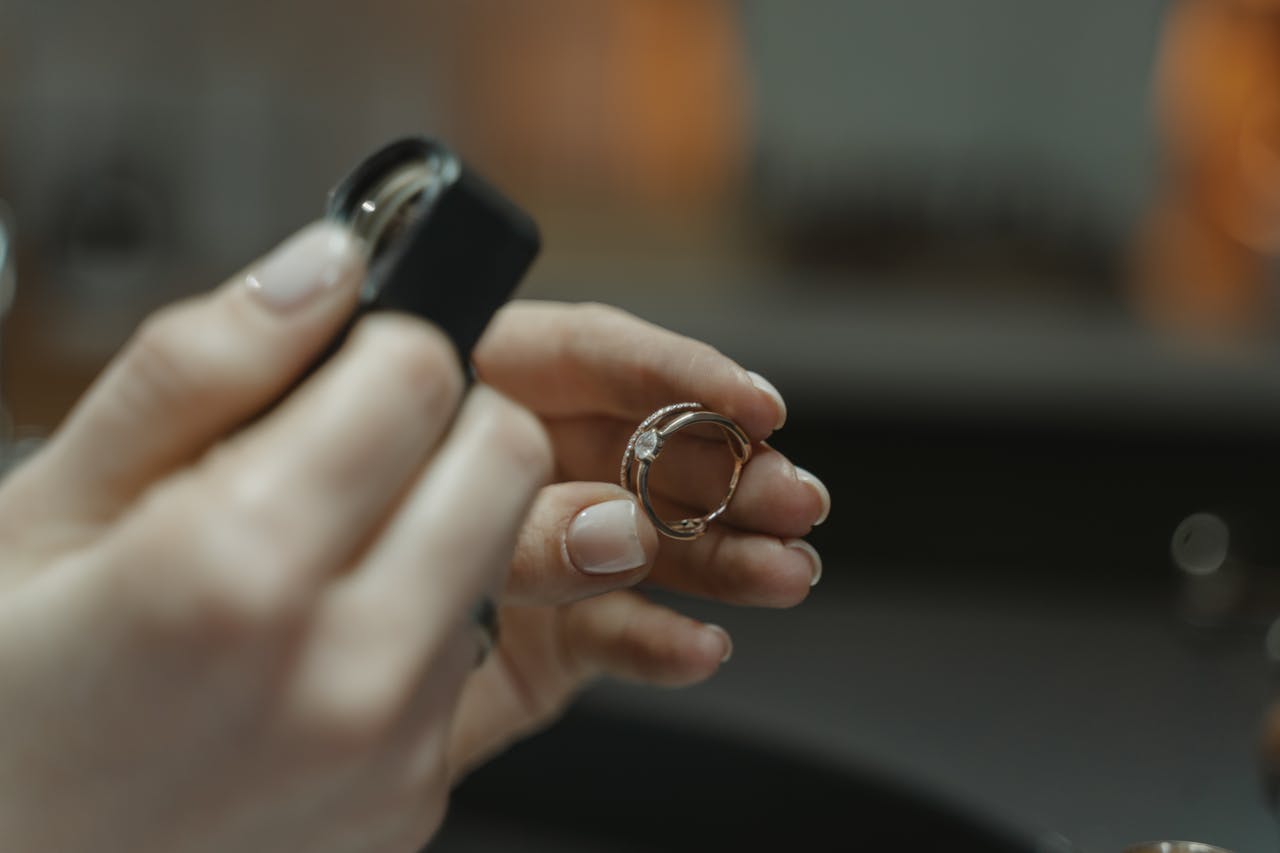
If you’re thinking about selling your 14K gold, it’s important to understand its value before making any decisions. 14K gold contains 58.5% pure gold, which means it has real value but is less pure than higher karat gold like 18K or 24K. Its worth depends on the current market price of gold, the weight of your jewellery, and its condition.
You might wonder if 14K gold tarnishes or how to know if your item is genuine. These factors can affect its resale price, but many buyers prefer 14K gold because it balances durability with value. Knowing how to weigh and calculate the worth of your gold can help you decide if selling is a good move for you.
Understanding 14K Gold and Its Value
Knowing the makeup of 14K gold and how it compares to other gold types helps you make smarter decisions when selling. You need to be clear about purity, durability, and market value, as these affect what 14K gold is worth today.
What Makes 14K Gold Distinct
14K gold contains about 58.3% pure gold mixed with other metals like silver, copper, or nickel. This mix makes it stronger and more durable than higher purity gold, which can be soft.
Because of this balance, 14K gold is popular for everyday jewellery. It keeps a good shine and resists scratching better than purer gold. You’ll find it labelled as “14K” or “585,” a hallmark showing its authenticity and gold content.
This durability means 14K gold holds value well for pieces you wear regularly. When selling, buyers consider its strength and pure gold percentage to set the price.
Gold Purity and Karat System
Karat measures gold purity. Pure gold is 24 karats (24K), meaning 100% gold. Lower karats show less gold content and more mixed metals.
Here’s a quick breakdown:
| Karat | Gold Purity Percentage | Description |
|---|---|---|
| 24K | 99.9% | Pure gold |
| 18K | 75% | High purity, softer |
| 14K | 58.3% | Balanced purity & strength |
| 10K | 41.7% | Least pure legal gold |
You should understand this when selling, as price reflects the karat value plus weight and market rates.
14K Gold Versus 10K, 18K, and 24K Gold
Compared to 10K gold, 14K gold has more pure gold and looks richer in colour. 10K is the cheapest but also the least gold content, making it harder and less valuable.
18K gold contains more gold than 14K (75%), making it brighter and softer. It costs more but can scratch more easily.
24K gold is pure gold. It has the highest value but is too soft for everyday wear. Its bright yellow colour is unique but you rarely see it in jewellery for regular use.
Your choice affects resale value. 14K gold offers a balance of price, durability, and appearance that appeals to many buyers and sellers.
Calculating the Worth of 14K Gold
To find out what your 14K gold is worth, you need to know its purity, weight, and the current gold price. These factors work together to determine the melt value, which is the price of the gold content in your item when sold as scrap.
Factors Affecting 14K Gold Value
The value of 14K gold depends mainly on three things: purity, weight, and the spot price of gold.
- Purity: 14K gold is 58.3% pure gold. This means only part of the item’s weight is actual gold.
- Weight: Gold is usually measured in grams or troy ounces. The heavier your item, the more gold it contains.
- Market price: The spot price changes daily based on supply and demand. This price shows what one gram or ounce of pure gold costs right now.
Keep in mind, when you sell, dealers may offer less than the melt value. Fees or commissions often reduce the final cash you get.
Determining Gold Weight in Grams and Troy Ounces
Gold weight is measured in grams or troy ounces. Most gold calculations use the troy ounce, which is different from the ordinary ounce you might know.
- 1 troy ounce = 31.1035 grams.
- Weigh your 14K gold item in grams for precision.
- To convert grams to troy ounces, divide the grams by 31.1035.
Using the correct unit helps you calculate the accurate melt value. For example, a 10-gram 14K gold piece contains 5.83 grams of pure gold because 58.3% of its weight is gold.
Understanding the Spot Price of Gold
The spot price of gold is the current market value for one ounce of pure gold. It is updated constantly during trading hours.
- The spot price is given for 24K gold, which is 100% pure.
- To find the value of 14K gold, multiply the spot price by 0.583 (the purity).
- Use the weight in grams or troy ounces to get the total melt value.
For example, if the spot price is £50 per gram for pure gold, 14K gold is worth about £29.15 per gram (£50 × 0.583). Multiplying this by your item’s weight gives its scrap value.
Knowing the spot price helps you decide when to sell your 14K gold to get the best price.
Types of 14K Gold Jewellery
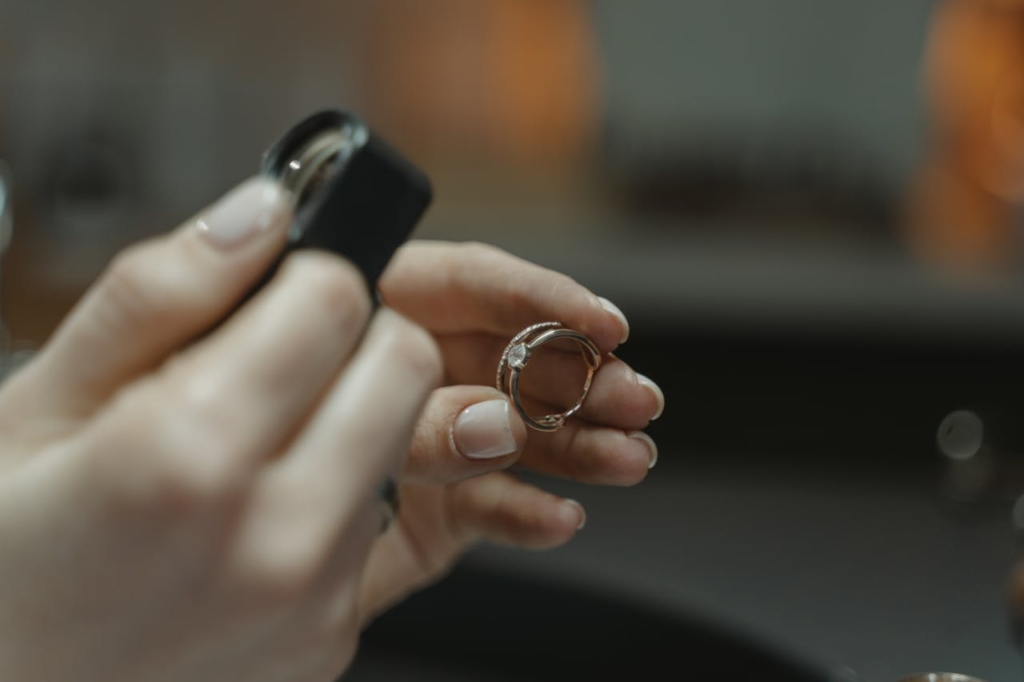
When dealing with 14K gold, you’ll encounter different colour options, common jewellery pieces, and ways to check if your item is genuine. Each aspect affects the jewellery’s look, use, and value.
Yellow, White, and Rose Gold Differences
14K gold comes mainly in three colours: yellow, white, and rose. Yellow gold is a classic mix of pure gold with alloys like copper and zinc. It has a warm, rich tone that many find timeless.
White gold combines pure gold with metals like palladium or nickel. It has a silvery-white shine and is often coated with rhodium to boost brightness and durability.
Rose gold gets its pinkish colour from a higher amount of copper alloy mixed with pure gold. It’s popular for its unique, soft red hue.
Each colour offers different styles but all contain 58.3% pure gold. Your choice depends on personal taste and how you plan to wear your jewellery.
Common 14K Gold Jewellery Items
You’ll find 14K gold in many types of jewellery. The most popular pieces include:
- Rings: Engagement and wedding rings often use 14K gold for strength and beauty.
- Chains: 14K gold chains are sturdy and hold gemstones well.
- Earrings: These come in all styles, from studs to hoops.
- Bracelets and bangles: They combine durability with shine for daily wear.
14K gold is also used in pieces with gemstones, which add value and style.
Because 14K gold is harder than purer versions, it suits jewellery you wear regularly without much risk of damage.
Identifying Authentic 14K Gold
To know if your jewellery is real 14K gold, look for a clear stamp or hallmark, usually “14K” or “585.” This means 58.3% pure gold content.
You can also check weight; 14K gold feels heavier than alloys like brass. Testing kits or professional appraisal can confirm authenticity.
Avoid items with uneven colouring or flaws in the stamp as these may be fake or plated.
Authentic 14K gold maintains its shine without tarnishing quickly, so inspect how it wears over time.
Selling 14K Gold: What You Need to Know
When selling 14K gold, knowing where to sell, how the process works, and what to expect in pricing can help you make better decisions. You should prepare for different buyer types and understand how to get the best value for your gold jewellery or scrap gold.
Where to Sell Your Gold
You have several options when selling 14K gold. Gold buyers and pawn shops are common choices. Gold buyers often specialise in precious metals and can offer competitive prices based on current gold market rates.
Pawn shops buy gold but usually offer lower prices since they consider their profit margin. Selling to scrap gold dealers is another option if your gold is broken or less valuable for jewellery use.
You can also try jewellery stores or auction houses for higher-end pieces. However, auction fees may reduce your final payout. Always research and compare offers from multiple buyers before selling.
The Process of Selling 14K Gold
The first step is to have your gold weighed using a precise scale, usually in grams or troy ounces. Sellers must verify the gold’s purity (14K means 58.5% gold content) because this affects its value.
Most buyers will test your gold to confirm authenticity. Then, they apply the current gold price per gram or ounce, adjusted for purity, to calculate the base value.
Expect offers below the full metal value because buyers include their costs and profit margins. You will be asked to accept or reject the offer after the evaluation. Always get a written estimate before completing the sale.
Pricing Expectations and Negotiation Strategies
14K gold is worth about 58.5% of the value of pure 24K gold. Knowing this helps you set realistic price expectations. Check live gold prices online for the current rate per gram to understand the market.
Expect buyers to offer 70% to 85% of the spot price depending on gold condition and demand. You can improve your offer by getting quotes from several buyers.
If selling scrap gold, separate it from jewellery pieces because alloy metals can lower the price. Don’t rush; take time to negotiate by showing proof of market gold prices and ask if buyers offer bonuses or better rates for larger quantities.
In some cases, asking for a professional appraisal can help justify a higher asking price.
Maximising Your Returns from 14K Gold Sales
To get the best price for your 14K gold, you need to understand how gold is valued, prepare your items carefully, and avoid common mistakes when selling. These steps help you make informed choices and increase your profit.
Appraisal and Valuation Tips
Start by having your 14K gold jewellery appraised by a trusted professional. This gives you a clear idea of its weight, gold purity, and market value. Know that 14K gold contains about 58.5% pure gold, so its price depends on current gold rates and the item’s weight.
Ask for a detailed valuation report that shows the gold content and any additional value, such as craftsmanship or brand. Avoid going straight to buyers without this, as some might offer less than your gold is worth.
Check gold prices regularly before you sell. Gold market prices can change daily, and selling when prices are higher can increase what you get. Also, understand the difference between scrap gold value and resale value if your jewellery can be sold as whole pieces.
Preparing Jewellery for Sale
Clean your 14K gold jewellery carefully before taking it to buyers. Use mild soap and warm water, then dry gently with a soft cloth. Avoid harsh chemicals or abrasive materials that could damage or reduce the value of your items.
Keep all original packaging, certificates, or appraisal documents. These can prove authenticity and may add value. Items with recognisable hallmarks, such as “14K” or “585”, are easier to sell as buyers trust these stamps.
Separate scrap gold (broken or damaged pieces) from wearable jewellery. Scrap gold is weighed and bought only for its metal content, often at a lower price. Intact pieces can bring higher offers because of their design and use.
Avoiding Common Selling Mistakes
Do not accept the first offer you receive. Shop around and get quotes from multiple reputable gold buyers. Compare offers carefully, not just price but also fees or commissions.
Beware of quick, high-value promises from buyers, especially if they ask for your jewellery upfront without appraisal. Use buyers who provide clear terms and allow you to ask questions.
Don’t sell without understanding the buyer’s payment method and timeline. Some offer instant cash, while others may take longer or pay via cheque or bank transfer. Verify their reputation through reviews or official licenses.
By preparing properly and knowing what to expect, you can avoid losing money on your 14K gold sales.
At Gold Bank, we make it easy to sell gold online UK alongside other valuables. Whether you want to sell silver scrap, trade platinum bars, or are selling silver jewellery, we offer a fast, secure, and fully insured service. Our experts provide accurate valuations and competitive prices on all items, with same-day payment. You can trust us to handle your precious metals with care and professionalism. Don’t let your old jewellery or scrap sit unused—sell silver scrap, platinum bars, and gold online in one simple transaction. Get started today with Gold Bank, the UK’s trusted precious metals buyer.