

 In Stock

 Low Stock
If in the run up to Christmas, your local high street feels like a festive obstacle course, then why not take a break and hop onto our whistle-stop global tour as we take you to some of the world’s biggest and brightest gold streets. All aboard!
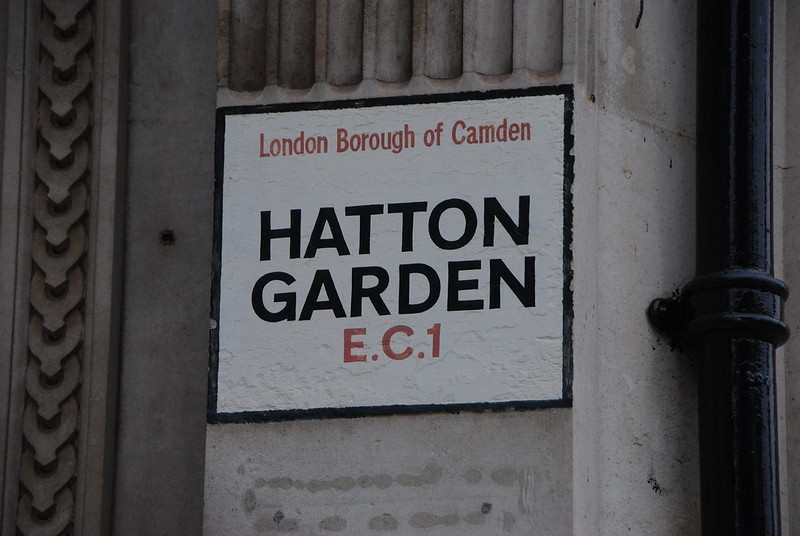
Hatton Garden, London
Location: Holborn, London Borough of Camden
Size: More than 300 jewellery businesses packed into a single stretch
Brief history of how it came to be
Hatton Garden sits a short walk from Holborn station, tucked neatly into Camden and right on the edge of the West End. Today it is the postcode people think of when they think of jewellery, diamonds or precious metals. That reputation took a few centuries to build.
The area gets its name from Sir Christopher Hatton, one of Queen Elizabeth I’s favourite advisers. Back in the 1500s the Queen handed him a slice of land that had belonged to the Bishops of Ely. Hatton built his grand mansion, Ely Place, right in the middle of the orchards. The gardens around his home gave the area its now famous name, even though it looked nothing like the bustling jewellery district we know today.
Fast forward to the 1800s and London was deep in the industrial revolution. The old jewellery quarter around Cheapside was overcrowded, rents were rising and goldsmiths needed space to breathe. Hatton Garden offered room to expand, good rail links and a steady stream of well-heeled shoppers. If you were working with precious metals, being close to people with disposable income made business far easier.
A turning point came when Jewish artisans began arriving in London in the late 19th century, many escaping persecution in Eastern Europe. They brought world-class skills in diamond cutting and goldsmithing along with commercial networks that linked London to Antwerp, Amsterdam and later Tel Aviv. Hatton Garden grew sharper, more competitive and far more international.
Hatton Garden today
Today Hatton Garden is one of the densest jewellery districts in Europe with more than 300 businesses working across a single street. Walk a few metres and you will pass diamond merchants, gold buyers, engravers, silversmiths, antique specialists and hidden workshops doing everything from stone setting to vintage restoration.
A lot of the real action happens out of sight. Some of the most skilled craftspeople work upstairs or below street level in family-run workshops that have been around for decades. Stones are graded on the spot, gold is weighed to the gram and traders work off live spot pricing. Industry estimates suggest the district handles around 90% of the diamonds that enter the UK which gives you an idea of the scale.
Buying and selling gold in Hatton Garden
Hatton Garden gives you variety in a way few places can match. You can find high-end designers next to tiny workshops that only deal with repairs. You can get jewellery made, resized or remodelled on the same day. And you can walk a short distance and get five completely different quotes for the same piece.
That choice can be a double-edged sword though. Prices are not always displayed, some shops lean heavily on design costs and reputations vary a lot. You will find exceptional long-established jewellers alongside places that have had complaints or mixed reviews. Anyone buying or selling here should check credentials, ask to see weights and hallmarks and compare offers before committing.
Practicalities worth knowing
Many of the best businesses keep trade hours which means they often close early and some do not open at weekends. Prices can vary sharply between shops even if they sit three doors apart so a quick lap of the street is worth the effort. Most stores have heavy security with buzzers and double doors which is completely normal for a district handling high-value items.
Lesser-known known fact
Ely Place, the old site of Sir Christopher Hatton’s mansion, is still a private gated street with a quirky medieval legal status. It once sat outside normal parish rules, which meant until recently it technically was a part of Cambridge.
Famous stories from the area
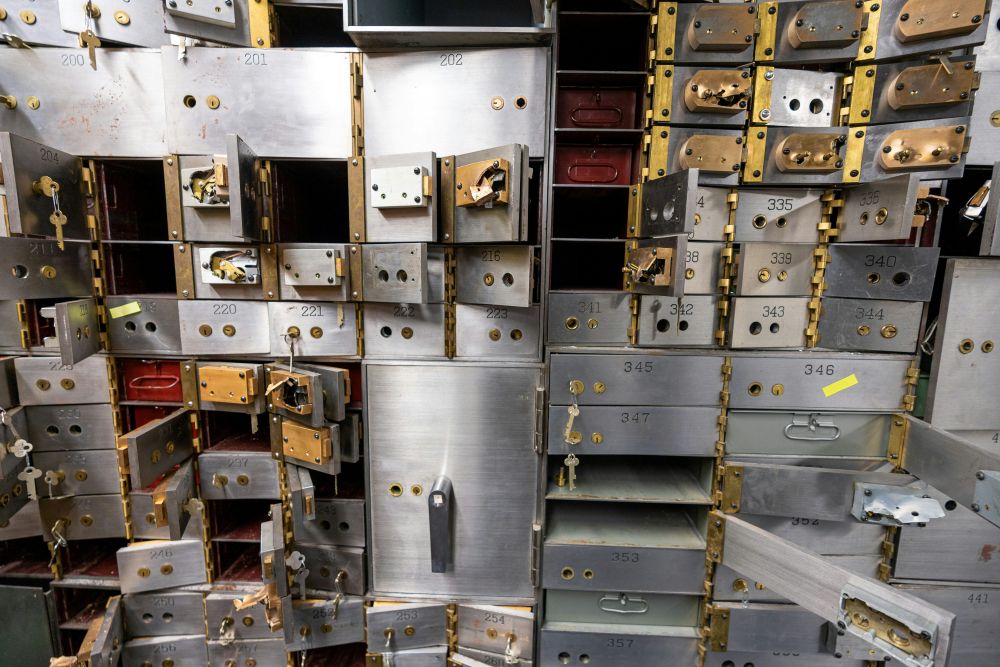
Hatton Garden made global headlines in 2015 when a group of ageing thieves broke into the Hatton Garden Safe Deposit Company over Easter weekend. They drilled through concrete, made their way into the vault and stole millions in jewellery and cash. The heist became one of the most talked-about burglaries in modern British history and cemented the street’s place in London folklore.
In popular culture
The 2015 heist inspired several films and TV dramas including King of Thieves and ITV’s Hatton Garden. The district pops up regularly in British crime stories and novels thanks to its mix of high-value goods, family workshops and hidden basements.
Dubai Gold Souk
Location: Deira, Dubai
Size: More than 350 retailers in a maze of covered alleyways
Brief history of how it came to be
Long before Dubai became the land of skyscrapers and endless brunches, its economy revolved around trade. Gold had been moving through the Gulf for centuries, but the modern Gold Souk began taking shape in the early 1900s when Iranian and Indian traders set up shop in Deira. They brought metalwork, gemstones and commercial networks to link Dubai with Bombay, Persia and East Africa.
As global demand rose during the 1940s and 50s, Deira became a key stop on unofficial ‘gold runs’ between the Gulf and India. Even when high import duties made it difficult to sell gold legally in India, the Gulf traders found ways to keep the flow alive. This era cemented Dubai’s reputation as a place where supply never sleeps and where buyers can find almost anything.
By the 1970s Dubai recognised that gold was more than just a commodity, it was a tourism and retail powerhouse. Regulations were tightened, storefronts expanded and the Souk became the organised, brightly lit network of shops that visitors recognise today.
Dubai Gold Souk today
Step into the Souk and you are hit with an (almost) literal wall of gold. Window displays glow under bright lights, chains drape across entire walls and bangles are stacked like they are on supermarket shelves. More than 350 retailers trade here, from small family-run outfits to flagship stores selling 22ct pieces the size of dinner plates.
Dubai’s tax rules give the souk a unique edge. There is no VAT on gold jewellery labour charges. Gold is also sold by weight with transparent pricing linked to Dubai’s daily rate which is broadcast on screens across the souk. You can walk from shop to shop and see the same gold price per gram displayed in real time which makes comparisons far easier than in most cities.
The craftsmanship ranges from traditional Indian bridal sets to contemporary Arabic pieces and ultra-modern European styles. You can even find Guinness World Record-sized creations including the famous 64 kilogram gold ring.
Buying and selling gold in the Dubai Gold Souk
This is one of the best-known places in the world to buy 22ct gold. Shops often have on-site workshops for resizing and instant repairs, and many pieces can be customised within a few hours. Sellers will weigh your gold openly at the counter and calculate value based on purity, labour and that day’s Dubai rate.
Haggling is part of the culture. Retailers expect it and most shoppers secure better deals by negotiating politely. Prices vary more on design and craftsmanship than on metal value, so walking a couple of extra alleyways can make a meaningful difference to your final bill.
The souk is also one of the safest places to buy gold in the Middle East. Dubai’s strict commercial rules mean every shop displays purity certificates and traders are monitored for accurate weighing. You also have the Dubai Police Gold Certificate Scheme which helps protect buyers from mis-selling.
Practicalities worth knowing
The souk is covered which means it is bearable even in peak heat, but the crowds can get heavy in the evenings. Morning visits tend to be calmer. Most gold trading happens in cash or card and you will see the daily gold rate clearly displayed on electronic boards throughout the market. The biggest shops stay open late but some smaller ones break for prayer times so there can be short pauses in the middle of the day.
Lesser-known known fact
Dubai’s gold trading was so influential in the 1960s that journalists nicknamed the city the “City of Gold,” long before the tourism campaigns adopted it. The name stuck because smugglers and legitimate traders alike passed through the same tiny creekside district in Deira.
Famous stories from the area
The souk has seen its fair share of big headlines. Its most famous moment came when the world’s heaviest gold ring, the Najmat Taiba, was unveiled here. It weighs 64 kilograms, contains more than 5 kilograms of precious stones and is valued in the millions. It instantly became a tourist magnet and a reminder that Dubai likes to do gold on a scale no one else attempts.
In popular culture
The gold souk makes regular appearances in travel documentaries, Middle Eastern dramas, Bollywood films and influencer travel videos. Its bright alleyways and stacked window displays have become a visual shorthand for Dubai’s over-the-top luxury.
Zaveri Bazaar, Mumbai
Location: Kalbadevi, South Mumbai, India
Size: More than 5,000 gold and jewellery businesses in a dense network of lanes
Brief history of how it came to be
Zaveri Bazaar sits in the heart of old Mumbai, wrapped inside the narrow lanes of Kalbadevi. Its name comes from the Gujarati word zaveri which means ‘jeweller’, and the area has been home to gold traders since the 19th century. As Mumbai grew into a major trading port, jewellers from Gujarat, Rajasthan and the Konkan coast flocked here with skills passed down through generations.
By the early 1900s the bazaar had become the beating heart of India’s gold economy. Mumbai’s links to textile mills, shipping companies and import houses meant gold could move in and out of the city faster than anywhere else in the country. Merchants set up tiny workshops above and behind their storefronts and entire families lived and worked in the same cramped buildings. Goldsmithing, polishing and stone-cutting became hyper specialised and the district evolved into a finely tuned production ecosystem.
India’s cultural love affair with gold also helped. Weddings, festivals and religious events have always driven huge demand, so Zaveri Bazaar became the place where new trends were born and experimental designs first appeared before spreading across the country.
Zaveri Bazaar today
Today Zaveri Bazaar is one of the largest gold and jewellery markets in the world with more than 5,000 businesses trading within a few tightly packed streets. The atmosphere is intense! Scooters squeeze past handcarts, shop boys weave through crowds carrying trays of bangles and every few metres you pass a different specialist workshop. Some craft chains by hand, others set stones, and many handle the finer jobs like polishing and filigree work.
The market is best known for 22ct and 24ct gold jewellery, ornate bridal sets and traditional Indian pieces that are heavy in both style and metal weight. Shops run from tiny counters barely wide enough for two people to stand in to large, multi-floor showrooms backed by national brands. Prices are linked to India’s daily gold rate, which means the metal value is consistent, but craftsmanship costs vary from shop to shop.
Zaveri Bazaar also plays a major role in India’s bullion trade. Large wholesalers deal in gold bars and coins while retailers handle everything from custom bridal work to lightweight modern jewellery aimed at younger buyers.
Buying and selling gold in Zaveri Bazaar
This is a place where gold buying is part business, part theatre. Traders quote weights in grams, tolas and carats depending on the customer. Pieces are taken to back rooms for purity tests and stones are evaluated by experienced eyes that have worked with diamonds and coloured gems for decades.
Haggling is expected. Most buyers compare at shops before making a decision and prices can shift dramatically depending on design, labour and the jeweller’s reputation. Sellers should expect purity checks using electronic testers or touchstone methods and many shops will only buy back their own jewellery at the best rate.
Quality varies widely which means customers need to be careful. There are long-standing, respected family businesses that have served the market for generations alongside newer shops with less consistent reviews.
Practicalities worth knowing
Zaveri Bazaar is busy from morning to night and the streets are narrow which can make navigation slow. The market closes on Sundays and many shops shut during major religious holidays. Security is tight with plain-clothes officers, private guards and CCTV throughout the district. Cash is still widely used although many retailers now accept digital payments.
Interesting fact
Recently the bazaar took on a whole new look when it turned pedestrian-only for the first time in its history to mark 75 years. The route leading to Mumbadevi Temple was transformed with carpeted walkways, bright lights, floral displays and photo spots, giving the usually chaotic lanes a rare moment of calm and celebration. Hawkers were cleared, the streets were spotless and even battery cars ferried visitors around which made the old market feel surprisingly modern for a few days.
Grand Bazaar jewellery district, Istanbul
Location: Fatih, Istanbul, Turkey
Size: More than 500 jewellers inside a 4,000-shop maze
Brief history of how it came to be
If Hatton Garden is London’s jewellery heartbeat, the Grand Bazaar is the full-blown circulatory system of Istanbul. Built in the 15th century under Sultan Mehmed II, the bazaar was originally designed as a secure trading centre for gold, gems, textiles and luxury goods moving along the Silk Road. Over time, skilled Ottoman goldsmiths set up workshops in the surrounding hans (inns) and the jewellery trade spilled out across the covered lanes.
By the 1600s the Grand Bazaar had become one of the most important precious-metal markets in the Ottoman Empire. Royal jewellers supplied the palace with elaborate pieces in emerald, ruby and filigree gold, and the bazaar’s traders enjoyed enviable protection and status. Disasters came and went with fires, earthquakes and rebuilds, yet the district rebuilt itself every time, often expanding as it did so.
The marketplace evolved again in the 20th century as Istanbul became a global tourist magnet.
Grand Bazaar today
Today the Grand Bazaar is a sensory overload in the best possible way. There are more than 4,000 shops spread across 61 streets and over 500 of them specialise in gold, silver, diamonds or gemstone jewellery. You’ll find everything from traditional Ottoman bangles and intricate filigree work to modern settings aimed at international shoppers.
The jewellery lanes are loud, glittering and theatrical. Traders call out prices, tea boys zip between counters carrying tulip-shaped glasses and shoppers negotiate over everything from 14ct chains to 22ct bangles to loose gemstones. Many stores work with long-standing family workshops housed in the adjoining hans where goldsmiths cast, engrave and polish pieces using techniques passed down through generations.
Prices generally follow Turkey’s daily gold rate which is updated across the market several times a day. Craftsmanship costs vary, so customers still walk the lanes comparing offers which is part of the Grand Bazaar experience.
Buying and selling gold in the Grand Bazaar
Traders encourage customers to sit, drink tea and take their time. Negotiation is expected and most people can secure better prices with polite persistence. Shops weigh gold in front of customers and explain purity, carat and workmanship clearly which helps build trust across the market.
Some stores buy gold from visitors but most focus on retail sales, custom designs and gemstone work. Many jewellers can resize or polish items on the same day thanks to the workshops hidden behind their storefronts.
Because the Grand Bazaar attracts tourists from all over the world, quality varies. The most reputable jewellers are long-established, family-run stores that display certifications openly and have deep local roots. Visitors are advised to compare prices and check guarantees which is standard practice in any large gold market.
Practicalities worth knowing
The bazaar is busiest between late morning and mid-afternoon so early visits are calmer. Many shops close on Sundays and during prayer breaks. The market is fully covered which helps in the summer heat but the crowds can be intense. Credit card acceptance is widespread although cash often brings better negotiation power.
In popular culture
One of the bazaar’s most famous cameos was in the James Bond film Skyfall, where a motorbike chase races across the rooftops.
Yaowarat Road (Bangkok’s Chinatown)
Location: Samphanthawong District, Bangkok, Thailand
Size: Well known for its high concentration of gold shops along a single busy stretch
Brief history of how it came to be
Yaowarat Road sits at the heart of Bangkok’s Chinatown, shaped by waves of Chinese migration dating back to the late 1700s during the reign of King Rama I. Many of the early traders brought skills in metalwork and commerce, and gold became a natural part of the district’s identity. As Bangkok expanded through the 19th and 20th centuries, Chinese-Thai families built strong commercial networks and Yaowarat gradually became the place to buy and sell gold in the city.
For many Thai families gold is a savings vehicle and a form of financial security which helped cement Yaowarat’s role as a national gold hub.
Yaowarat Road today
Today Yaowarat is instantly recognisable for its glowing red shopfronts and glass counters lined with bright yellow chains and bangles. The road is home to many long-established family businesses that specialise in Thai Baht gold, which is typically 96.5% purity and known for its rich colour.
Shops display gold prices clearly, usually on digital boards that update in line with Thailand’s daily gold rate. Customers can compare workmanship and pricing by stepping in and out of neighbouring stores, and many workshops provide fast polishing or resizing thanks to skilled craftspeople working behind the scenes.
Buying and selling gold on Yaowarat Road
Gold buying here follows a clear routine. Jewellery is weighed and assessed at the counter, and prices are based on purity, weight and that day’s official Thai gold rate. Some shops offer buy-back services for their own pieces which is a common feature of the local gold trade, although policies vary from store to store.
Negotiation tends to focus on workmanship rather than metal value because the gold rate is standardised nationally. Many shoppers compare two or three stores before finalising a purchase which helps ensure fair pricing.
Practicalities worth knowing
Yaowarat is busiest in the late afternoon and evening when the surrounding street-food stalls open. Mornings are quieter for gold shopping. Most shops accept cash or bank transfer and some now support digital payment options. Many businesses keep traditional family hours so closing times can vary.
Lesser-known known fact
Thailand uses the “baht” as both a currency and a unit of gold weight. One baht of gold weighs just over 15 grams, a system that dates back to historic Chinese-Thai trading practices and is still used across the country today.
Travelling the world through its gold streets
Every great city has a place, district or centre where gold and goldsmithery comes together with history, culture and craft. For anyone exploring gold abroad the advice is simple; take your time, compare a few shops, ask questions and trust your instincts. Every district has its gems and every district has its surprises, and the best experiences come from stepping into places where craft is part of the city’s DNA. Whether you are looking for a keepsake, an investment or something to remodel in future, these global gold streets prove that gold has always travelled well.
And if you fancy something closer to home you don’t need a flight or a map. Gold Bank lets you value and sell your gold from the comfort of your sofa with clear prices linked to the live UK rate. We promise there’ll be no crowds nor haggling! Get in touch.