

 In Stock

 Low Stock
When you think about selling gold scrap, understanding what affects its value is key to getting the best price. The worth of your gold scrap depends mainly on its purity, weight, and the current market price of gold. Knowing how much pure gold is in your item and the real-time price per gram can help you accurately assess its value before selling.
Other factors can also influence the price you receive. These include the karat rating of your gold, fees charged by buyers, and global economic conditions that affect gold’s market price. By understanding these elements, you can make informed decisions and avoid surprises during the selling process.
You don’t have to guess the value of your scrap gold when you know what to look for. With clear knowledge about purity and market trends, you’ll be better positioned to maximise your returns and sell confidently.
What Is Gold Scrap?
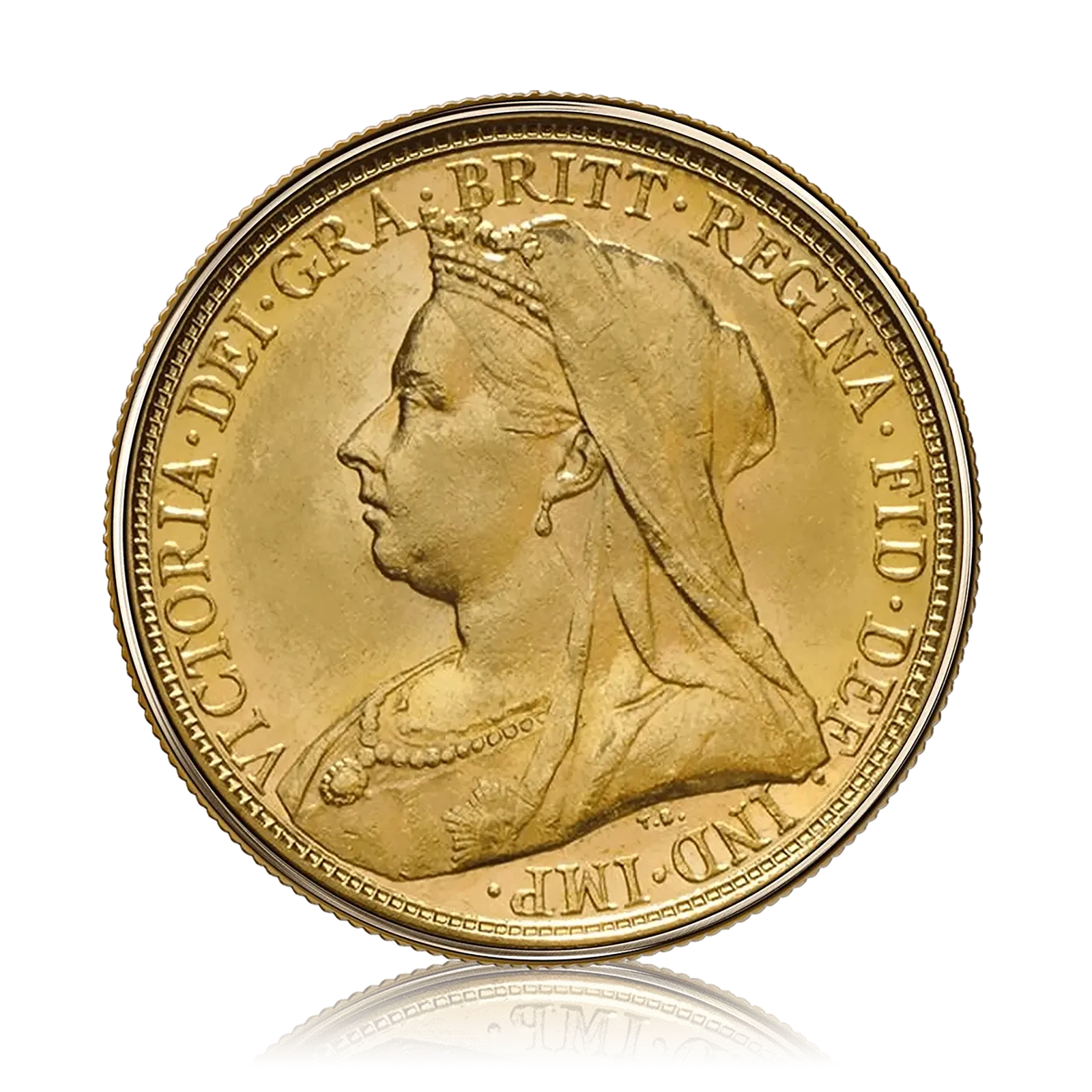
Gold scrap is any piece of gold that is no longer wanted or used in its original form. This includes items like broken jewellery, old coins, and even dental gold. Understanding what counts as scrap gold helps you know what you can sell and how its value is determined.
Types and Sources of Scrap Gold
Scrap gold comes from several different places. Common sources include:
- Gold jewellery that is broken, outdated, or no longer worn.
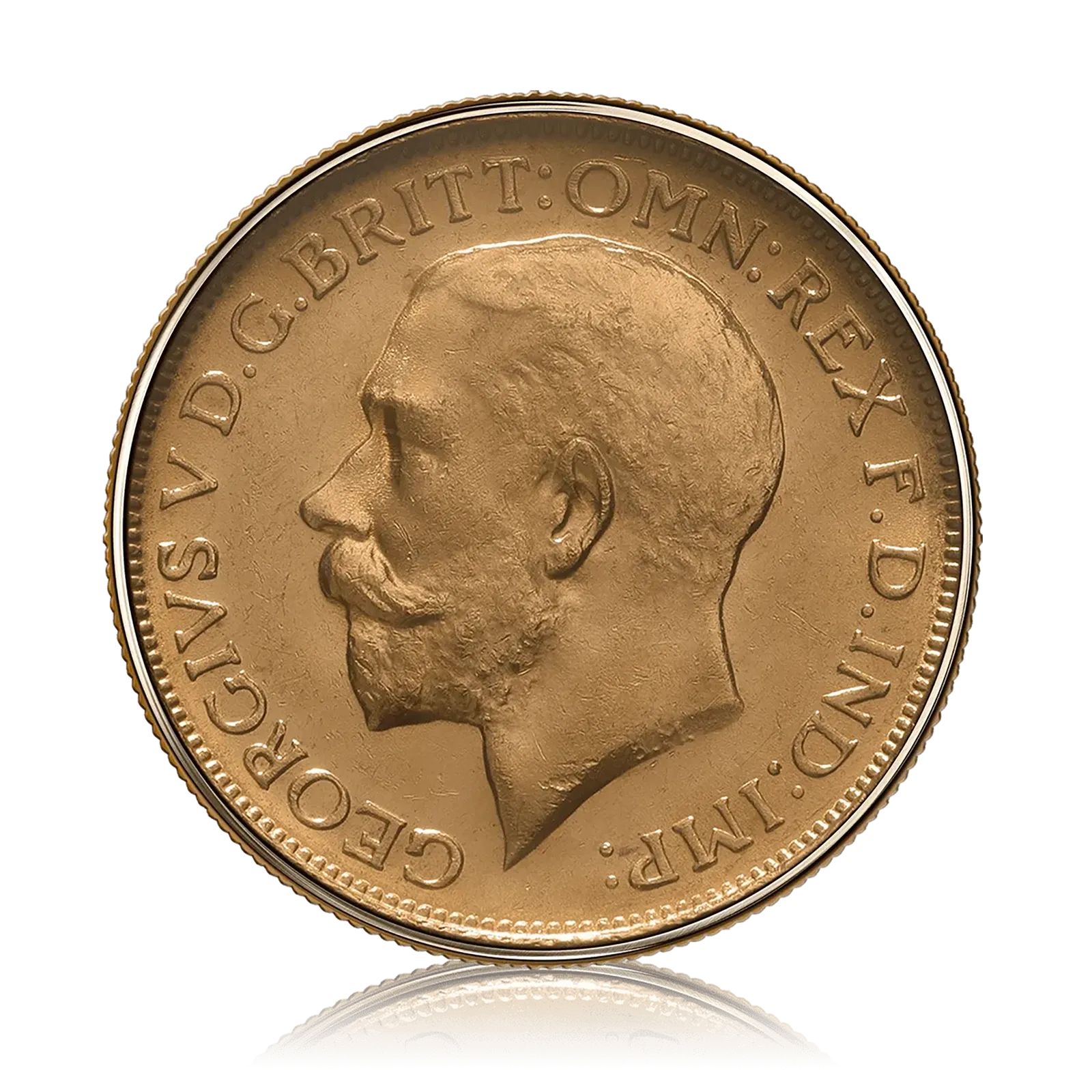
- Gold coins that may be damaged or no longer in circulation.
- Dental gold, which comes from old crowns, bridges, or fillings.
- Industrial waste that contains gold traces.
Each type varies in gold purity and condition, affecting its value when sold. Jewellery often ranges between 10k and 18k gold, while coins and dental scrap may differ. Knowing the source helps you estimate weight and karat, which are key to pricing.
Distinguishing Scrap Gold from Other Precious Metals
Scrap gold is pure or alloyed gold, but it can be confused with metals like silver, platinum, or gold-plated items. You need to:
- Identify the karat number stamped on jewellery or coins.
- Check if the item is solid gold or just coated.
- Use testing methods, such as acid tests or electronic testers, to confirm purity.
Remember, gold scrap always contains actual gold, even if mixed with other metals, while plated or base metals have less or no gold content. This distinction directly impacts how much you earn when selling your scrap gold.
Key Factors Affecting Gold Scrap Value
Several important elements determine how much your gold scrap is worth. These involve the quality of the gold, how much you have, current market prices, and the verification of gold purity. Knowing these factors helps you get a fair price when selling.
Gold Purity and Karats
The purity of your gold directly impacts its value. Gold purity is measured in karats, with 24 karat (24k) representing pure gold. Most gold scrap comes from jewellery made with lower karats, such as 10k, 14k, or 18k. The higher the karat, the more pure gold it contains, and the higher the price you’ll get.
For example, 14k gold contains roughly 58.5% pure gold, while 18k gold contains 75%. Buyers will pay according to these percentages. Make sure you know your gold’s karat value because it’s the first step in calculating worth.
Weight and Measurement
Your gold scrap’s value also depends on its weight. Gold is usually measured in grams or ounces. The heavier your gold, the more it is worth, assuming purity is equal.
You’ll hear terms like “gross weight” and “net weight.” Gross weight is the total weight, including other metals or stones; net weight is just the gold content. Dealers focus on the net weight to give you an accurate price. Always weigh your scrap with a reliable scale to know exactly how much gold you have.
Gold Price Per Gram
The market price of gold fluctuates daily due to supply, demand, and economic events. Gold price per gram is the standard way buyers determine what they’ll pay for your scrap.
Prices you see online often reflect the “spot price” of gold, which is the current market value for pure gold. Scrap gold is worth less than the spot price because it’s mixed with other metals. Expect around 70-90% of the spot price when selling scrap gold.
Use a gold scrap value calculator to estimate your gold’s worth based on the current price per gram.
Hallmarks and Testing
Hallmarks are official stamps on gold that verify its purity and origin. Common hallmarks include numbers like “14k” or “585,” confirming the karat and gold content in parts per thousand.
If your scrap doesn’t have a hallmark, buyers may test it using acid tests or electronic machines. Testing is necessary to confirm purity but sometimes comes with a small fee or deduction in price.
Knowing if your gold is marked and being prepared for testing helps ensure you get the right value without surprises.
Market Forces and Trends Impacting Scrap Gold Prices

Several key factors influence the price you get for scrap gold. These include global gold market changes, currency movements, and how much gold is available compared to how much buyers want.
Global Gold Market Dynamics
The global price of gold is the main driver of scrap gold value. When the price of gold goes up on the international market, scrap gold becomes more valuable. This price moves based on economic events, central bank policies, and investor demand for gold as a safe asset.
You should watch for global economic instability or inflation because these often increase gold prices. Central banks buying or selling gold holdings can also affect the price by changing supply levels.
Currency Fluctuations
The value of local currency greatly affects scrap gold prices where you live. Since gold is traded worldwide in US dollars, if your currency weakens against the dollar, scrap gold prices in your local currency will rise, making selling more profitable.
For example, if the British pound falls against the US dollar, the pound price for gold can increase even if the dollar gold price stays steady. You need to monitor currency trends if you plan to sell scrap gold.
Supply and Demand Influences
Gold scrap price depends heavily on supply and demand. When demand is high, like in times of economic uncertainty, prices can rise because more people want to sell or buy gold.
Conversely, if many people sell scrap gold at once, or if demand for recycled gold drops, prices can fall. You should keep an eye on jewellery market trends and industrial gold use since these affect demand and supply.
| Factor | Effect on Scrap Gold Price |
|---|---|
| High global gold price | Increases scrap gold value |
| Weak local currency | Raises local scrap gold prices |
| High demand | Pushes prices up |
| Excess supply | Lowers prices |
How to Value and Sell Your Scrap Gold
Knowing the worth of your scrap gold and how to sell it well requires attention to detail. You need to estimate its value, prepare your items correctly, and pick the right buyers to get the best price.
Calculating Estimated Value
To calculate the estimated value of your scrap gold, start by knowing its purity, often marked as karats (e.g., 18K, 24K). Higher karat means a higher gold content.
Next, weigh your gold using a precise scale. Gold is usually measured in grams or troy ounces (1 troy ounce ≈ 31.1 grams).
Check the current gold price per gram or per troy ounce. This rate changes daily based on the market.
Multiply your item’s gold weight by its purity percentage and then by the current price. Most buyers pay between 60%-80% of this value, accounting for refining and testing costs.
Example:
| Gold Purity | Weight (grams) | Gold Price (£/gram) | Estimated Value (£) |
|---|---|---|---|
| 18K (75%) | 10 | 50 | 10 × 0.75 × 50 = 375 |
Preparing Your Items for Sale
Prepare your scrap gold carefully before selling. Clean your items gently with mild soap and water to remove dirt and oils. Avoid harsh chemicals or polishing creams that might alter the gold.
Gather all pieces, including broken jewellery or gold coins, as they all have value based on the gold content. Group them by purity if you know it, or label them for easier assessment.
Remove any non-gold parts like stones or clasps if possible, as these might lower the offer or complicate the process with some buyers.
Keep any certificates or receipts that prove the gold’s authenticity, especially for high-value items. These documents can help build trust with buyers.
Choosing Trusted Gold Buyers
Find gold buyers who are transparent and offer fair prices. Look for reviews online, recommendations, and proper certification.
Avoid buyers who offer instant or very high prices without testing your gold. A reliable buyer will conduct purity tests and weigh your items carefully, explaining the process.
Compare offers from several buyers, including local shops and online services, to ensure you get a competitive price.
Check if the buyer deducts fees for refining, insurance, or testing. These costs should be clear upfront.
When selling, ask whether payment is immediate and if they pay cash or use bank transfers. Choose buyers who are trustworthy and have a clear process for payment and returns.
Turn your precious metals into cash with Gold Bank – the UK’s leading platform to sell gold online UK. Whether you want to sell or buy silver scrap, exchange platinum bars, or are selling silver jewellery, we make the process simple, transparent, and rewarding. All items are carefully appraised by our in-house experts, and our rates are some of the most competitive in the country. With secure delivery and same-day payment, you can trust us to make your transaction stress-free. Whatever you’re looking to sell—gold, silver or platinum—Gold Bank is your trusted buyer for fast, fair and secure service.