

 In Stock

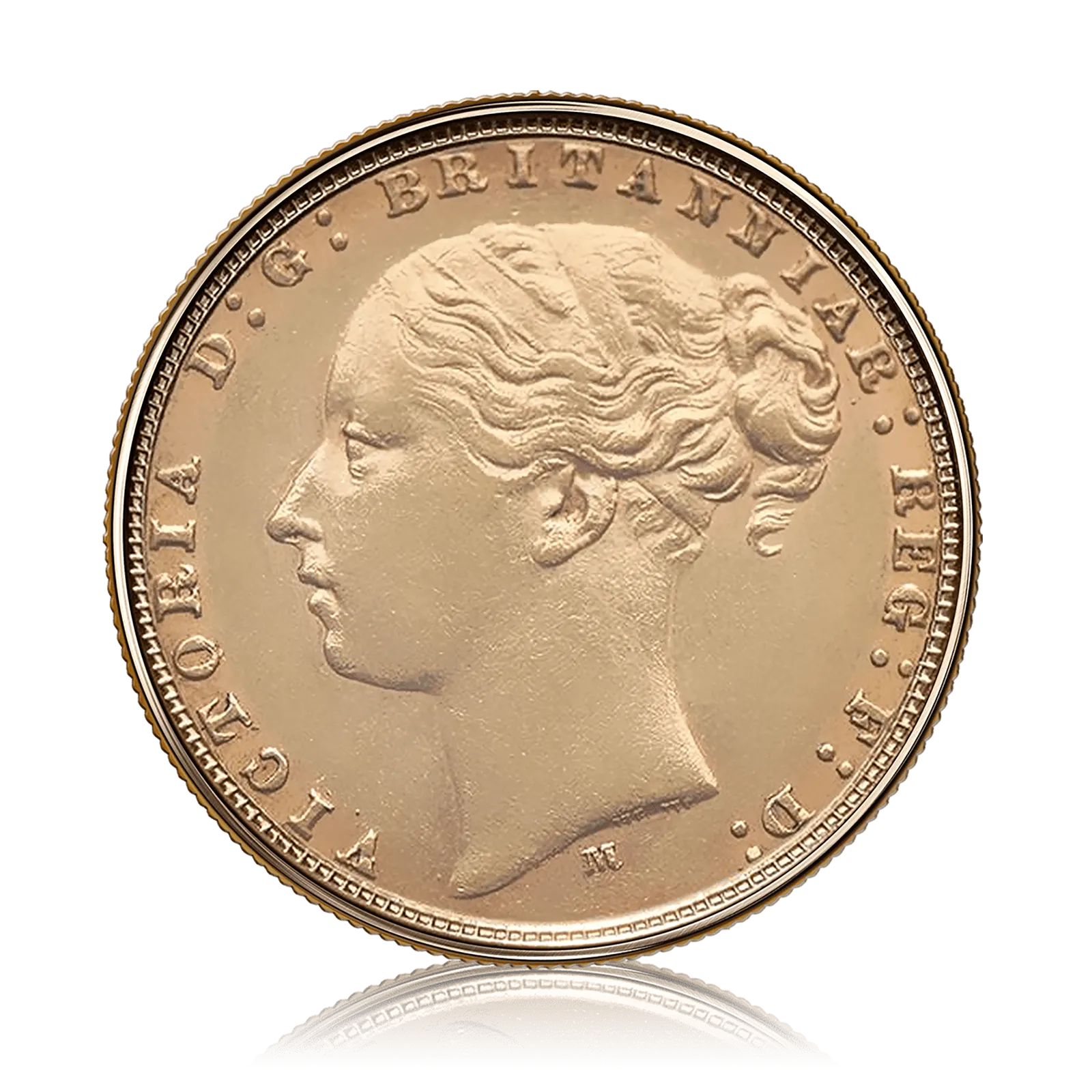
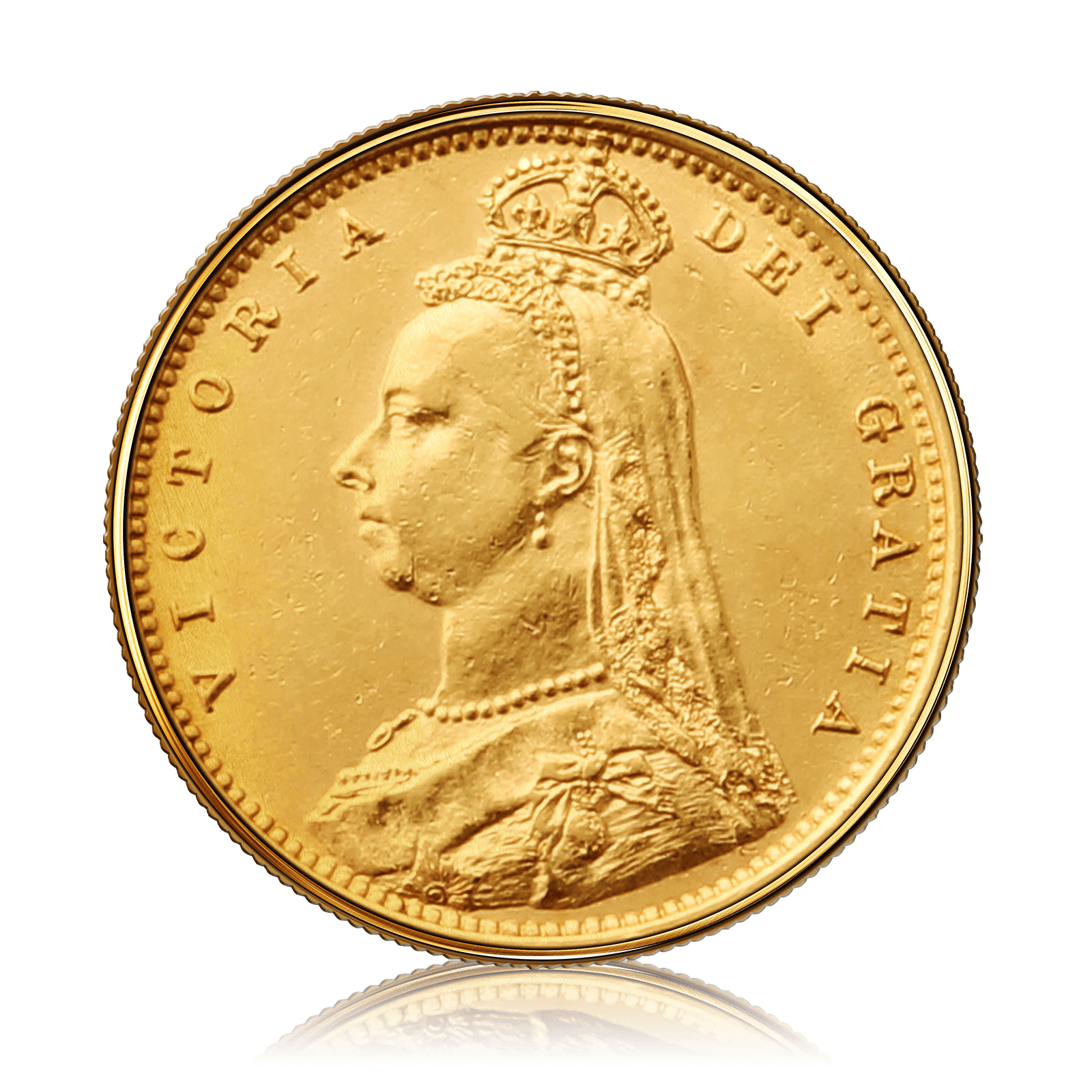
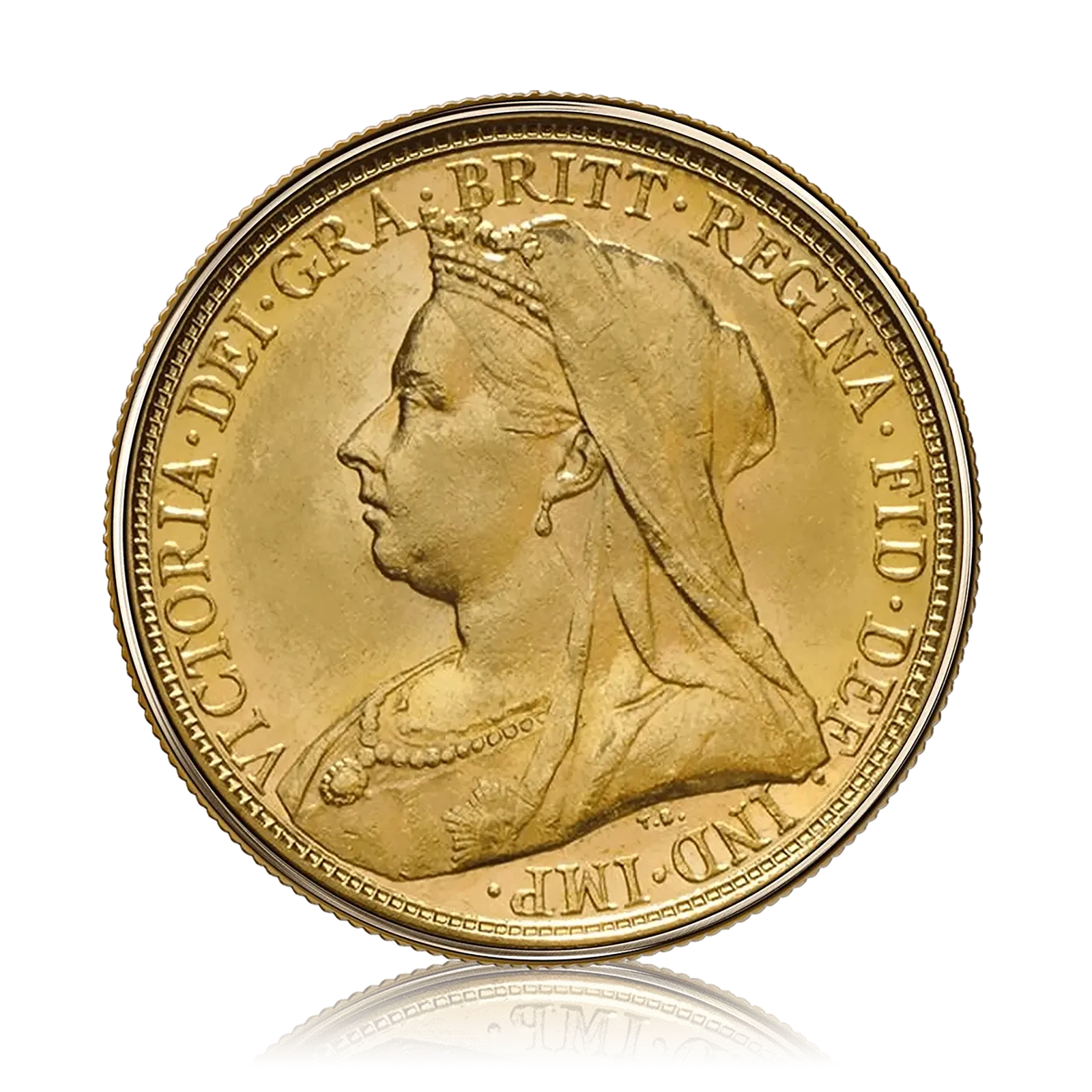
 Low Stock
Gold demand rises sharply during Diwali because it holds deep cultural and financial value for many people. You’ll find buyers eager to purchase gold jewellery, bars, and coins as gifts or investments, making it one of the busiest times of the year for the market. This increased buying activity often pushes prices higher, reflecting the strong tradition and sentiment behind gold purchases at Diwali.
If you are in the UK and thinking of buying gold during this period, understanding why demand surges can help you shop wisely. The combination of tradition, festivals, and upcoming weddings drives many to invest in gold despite higher prices. Knowing the factors influencing price changes and market trends can give you an edge in making smart, timely decisions.
Whether you want gold for gifting or as a long-term asset, being aware of these seasonal trends matters. You can better navigate the ups and downs in prices and avoid common pitfalls while honouring the cultural significance of gold during Diwali.
Why Gold Demand Surges During Diwali
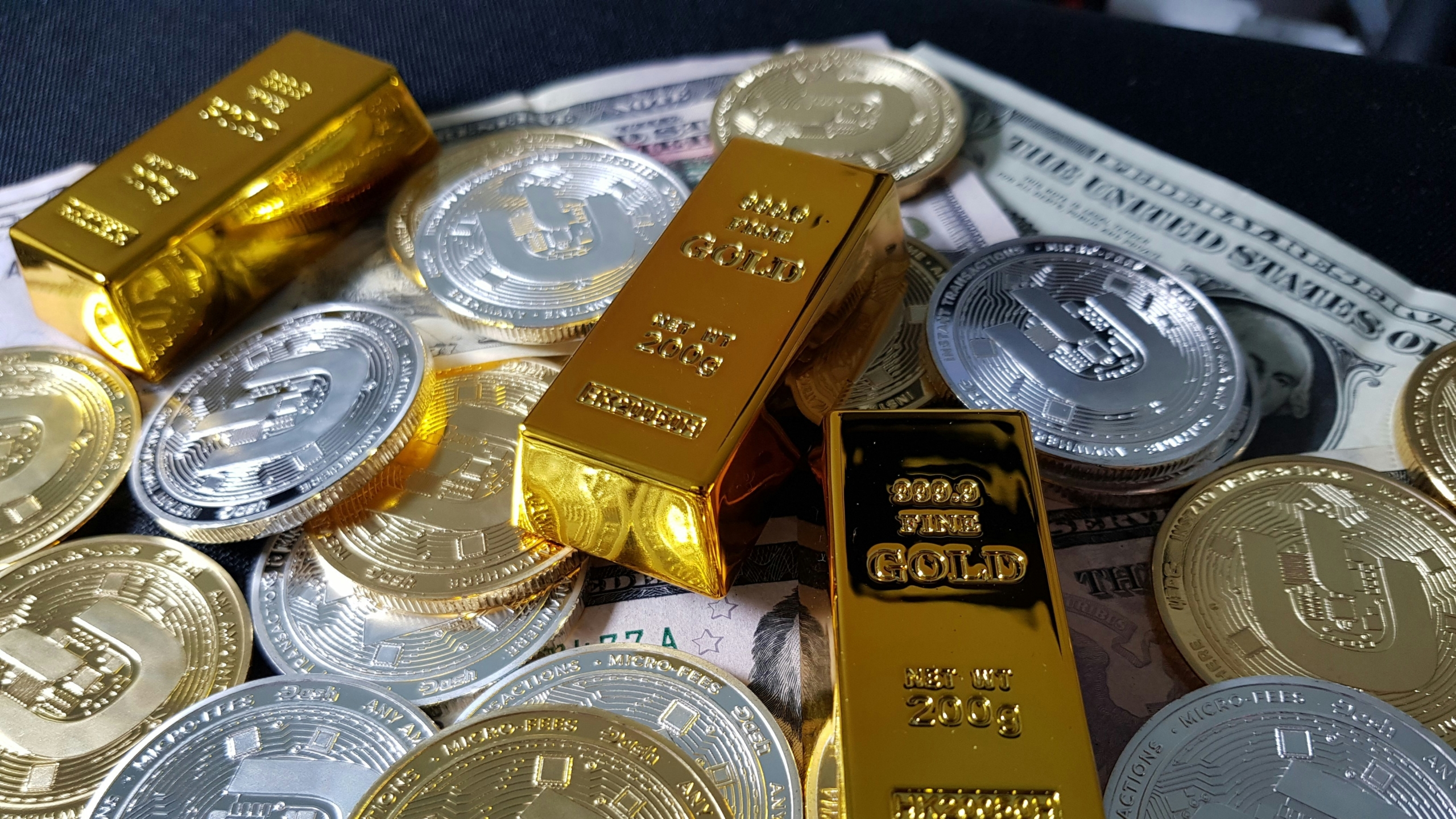
Gold demand rises sharply around Diwali because it holds deep cultural importance, fits with seasonal buying patterns, and aligns with the busy wedding period. These factors combine to make this time of year one of the most active for gold sales and jewellery purchases.
Cultural and Religious Significance of Gold at Diwali
Gold is a symbol of wealth, purity, and good fortune during Diwali. Many people buy gold on the festival’s first day, Dhanteras, as it is believed to bring prosperity and protect against bad luck. You will often see gold coins, bars, and jewellery chosen specifically for these rituals.
Buying gold is deeply tied to tradition. The metal plays a key role in prayers and gift-giving throughout the celebrations. You can expect gold to be seen as both a spiritual and financial asset, which drives steady demand every year during the festival.
Seasonal Trends and Festival-Driven Purchases
The period leading up to Diwali usually triggers increased gold consumption. Buyers tend to purchase smaller gold items, like coins and bracelets, which are popular gifts during the festival. Retailers often introduce new designs and promotions to attract shoppers.
Prices for gold often rise due to this surge in demand. While some buyers are driven by tradition, others see the festival season as an investment opportunity. It is common for gold prices to experience a seasonal peak around October to November because of this steady buying activity.
Impact of the Wedding Season on Buying Behaviour
Diwali marks the start of a busy wedding season in India and among communities abroad. Wedding-related gold purchases form a significant part of jewellery demand in this period. Families buy gold for bridal sets, gifts, and dowries.
This surge in purchases continues well beyond Diwali, extending into the following months. If you’re shopping for gold during this time, expect both high demand and a wide choice of styles geared towards weddings. It is important to plan purchases carefully to get the best value.
Current Trends in Gold Prices and Market Dynamics
Gold prices have reached new record levels, driven by a mix of economic factors and global demand. Understanding what is behind these price changes can help you decide when and how to buy gold, especially during occasions like Diwali when demand typically surges.
Recent Price Movements and Records
Gold prices have recently hit record highs, reaching levels not seen before. This rise is partly due to strong demand from major buyers, including jewellery markets in India and China.
Investors view gold as a safe asset during uncertain times, which adds to buying pressure. The World Gold Council (WGC) reports that jewellery buying is no longer reduced when prices are high; instead, many see gold as an investment, keeping demand steady.
This steady demand helps push prices up even when markets are volatile. Tracking these price movements can give you clues on when the best time to shop might be.
Global Economic Influences on Gold
Several economic factors influence gold prices today. Trade policies, high government debt, and geopolitical tensions create uncertainty, making gold attractive as a safeguard.
Lower interest rates also play a role. When rates are low, returns on other investments fall, making gold more appealing. Inflation concerns drive buyers towards gold since it keeps value better than cash in uncertain times.
These factors combine globally, affecting the price you pay for gold in the UK or elsewhere. Being aware of these will help you understand the market forces at work.
Central Bank Accumulation and Its Effects
Central banks worldwide have increased their gold reserves, a trend noted by the World Gold Council. This accumulation supports higher prices, as it means less gold is available on the open market.
When central banks buy gold, they aim to diversify their reserves and protect against currency risks. Such buying signals confidence in gold’s long-term value.
For you, this means the market is tighter, and gold prices may remain elevated. Watching central bank activity can provide insight into future price trends and help you make a smarter purchase during periods of high demand like Diwali.
| Key Drivers of Gold Price Increase | Effect on Buyers |
|---|---|
| Record-high demand from India and China | Strong jewellery and investment demand |
| Low global interest rates | Increased appeal of gold vs cash |
| Rising geopolitical and economic risks | Gold seen as safe haven |
| Central bank gold purchases | Reduced supply, higher prices |
Jewellery Demand Versus Investment Demand
Gold buying during Diwali shows two clear trends. Traditional jewellery purchases face pressure from rising prices. At the same time, more people choose gold as an investment, using bars, coins, and digital options. You should understand these shifts to shop wisely during the festival season.
Shift from Jewellery to Investment Products
You might notice less spending on gold jewellery during Diwali because prices have reached record highs. Many buyers are avoiding expensive designs and heavier pieces. Instead, they prefer smaller items or skip jewellery altogether.
This change is also linked to economic uncertainty. When prices are high, jewellery is less attractive since it is mainly worn or gifted, not held for value. You may find more people saving their money or putting it into gold that can be sold easily later, instead of buying pieces for decoration.
Rise of Gold Bars, Coins, and ETFs
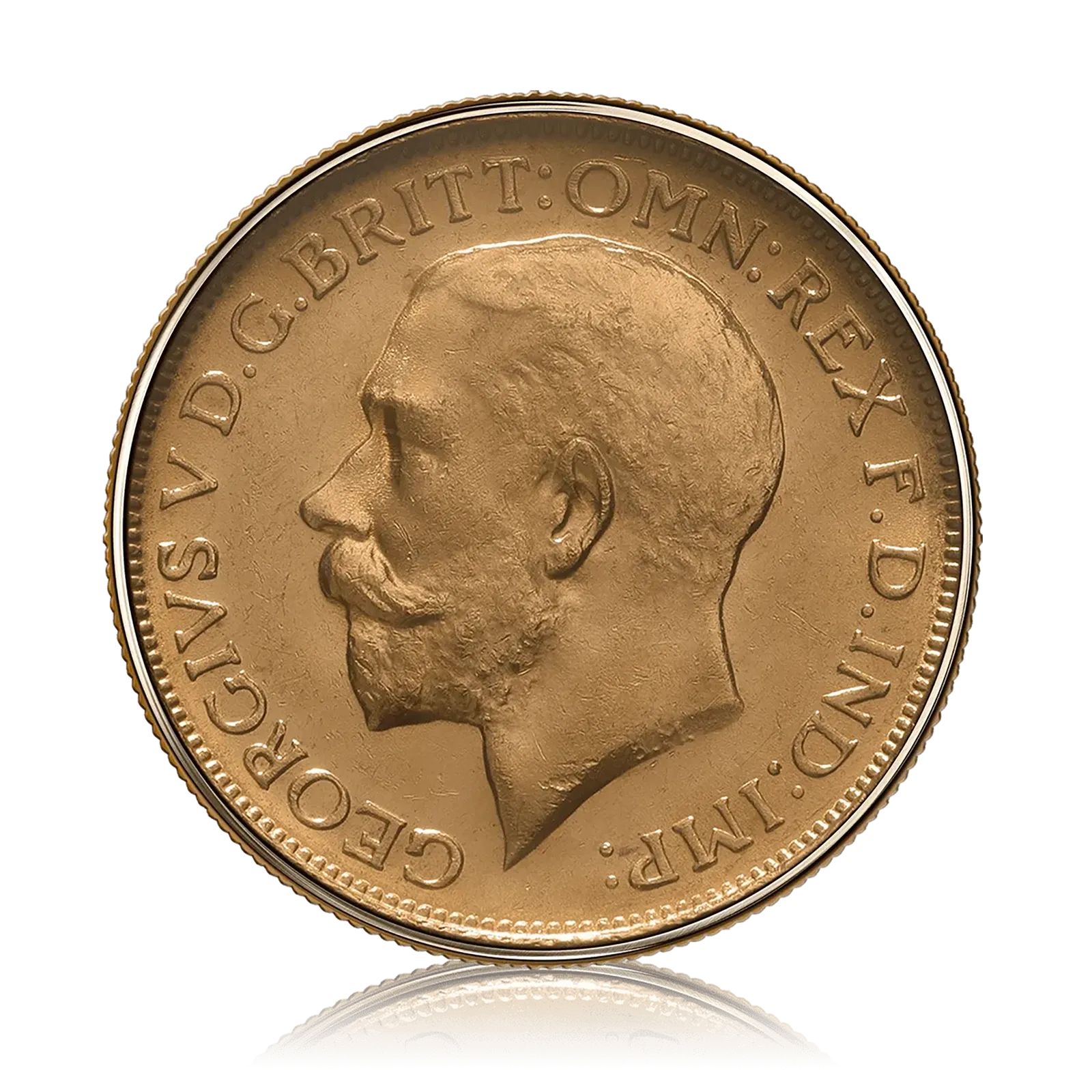
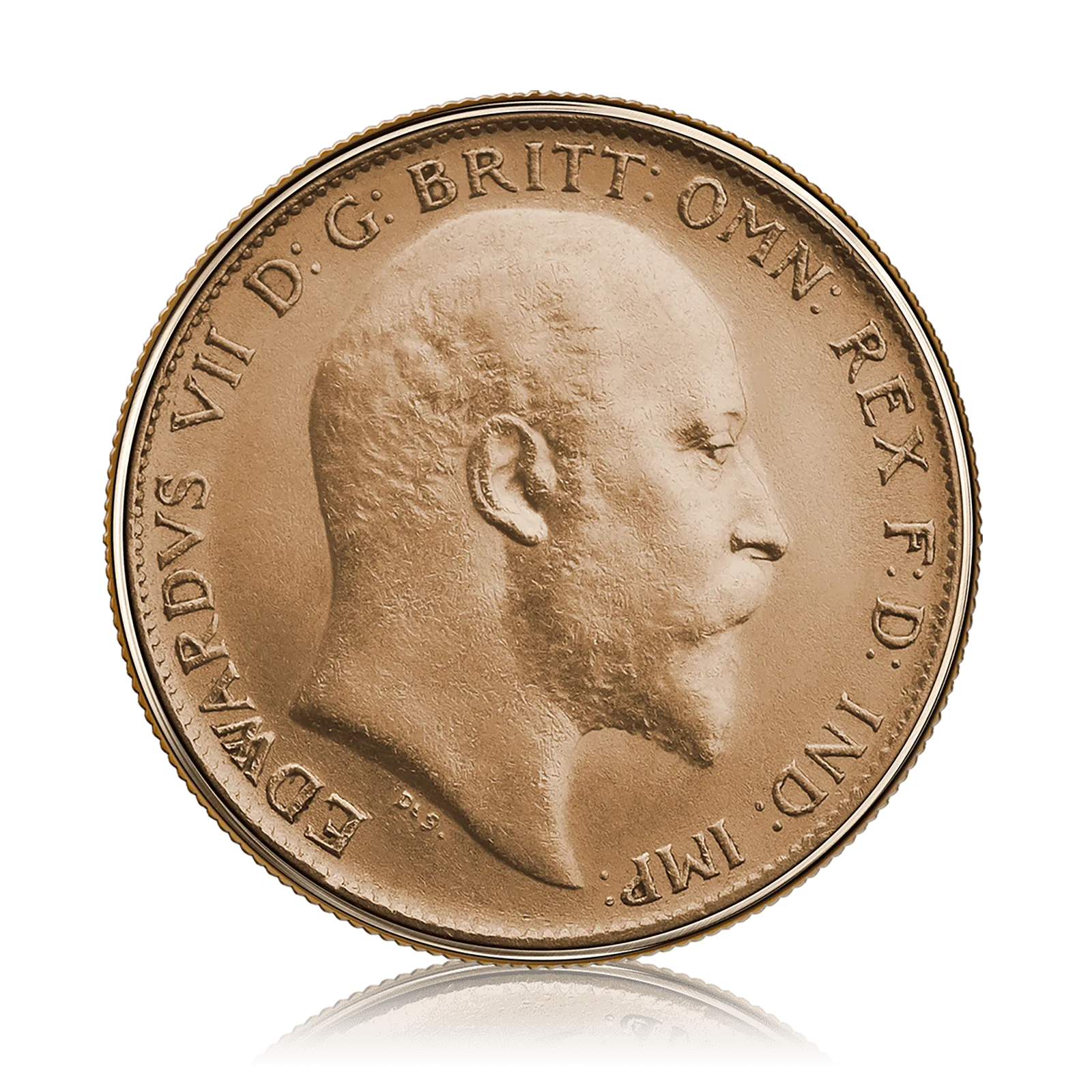
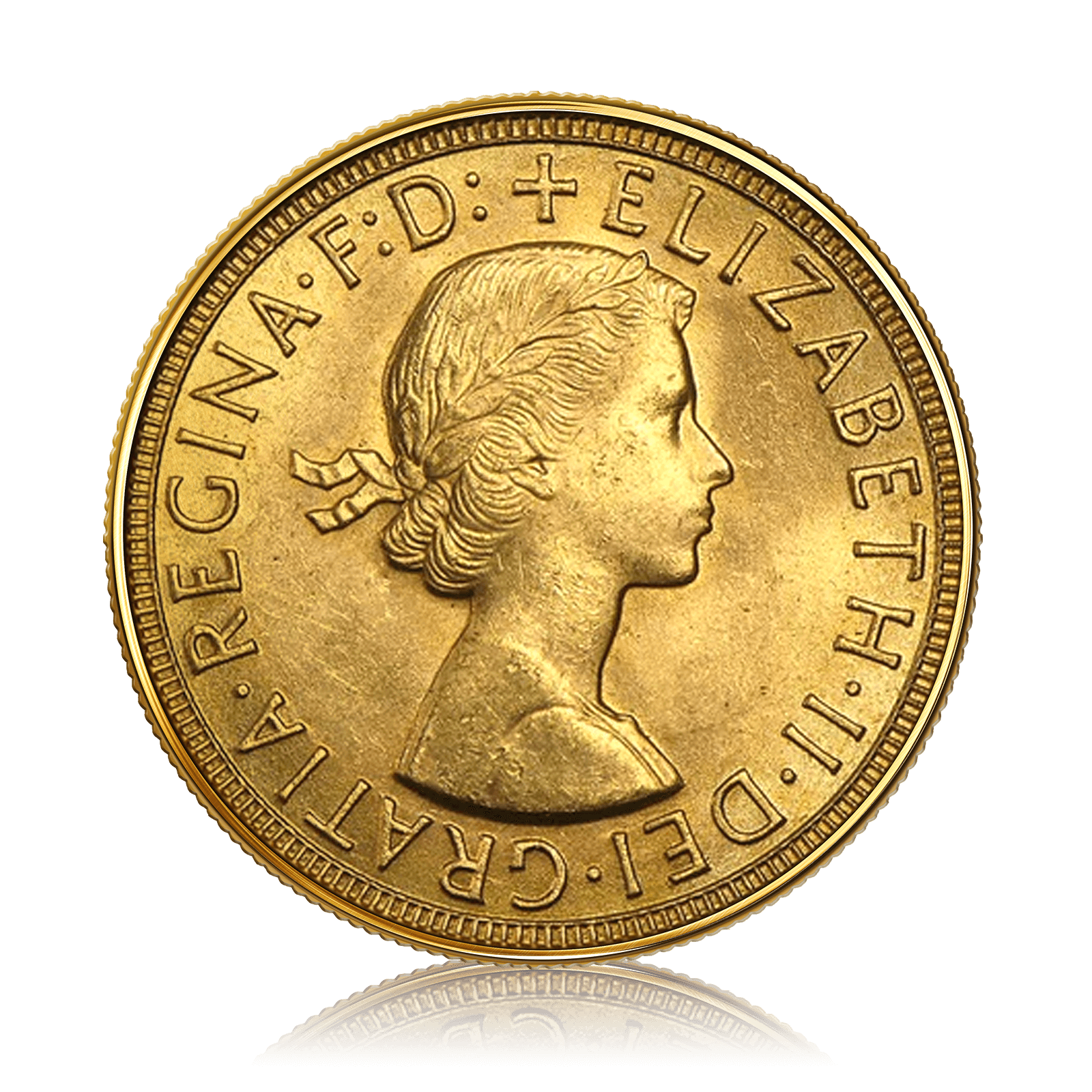
If you want to buy gold this Diwali, consider bars and coins between 1 and 10 grams. These forms allow you to invest in gold’s value directly and are easier to store and sell.
You can also explore Exchange-Traded Funds (ETFs) and digital gold platforms. These offer lower costs and no need to handle physical gold. Your investment is more flexible, and you avoid mark-ups that jewellery often has.
Using these formats can help you balance owning gold as a cultural symbol and a financial asset.
Changing Consumer Preferences Amid High Prices
With gold prices crossing ₹1 lakh per 10 grams and global rates over $3,500 an ounce, many buyers are cautious. You may see others choosing lighter jewellery or coins to stay within budget.
Consumer focus is shifting from traditional gifting to value preservation. Buying smaller gold products or investing through digital channels shows you can adapt to changes without missing out on gold’s benefits.
Price fluctuations also keep many potential buyers waiting for the best time to buy. Watching the market closely during Diwali can help you make smarter choices.
Smart Shopping Strategies for UK Buyers During Diwali
When shopping for gold during Diwali, know how to check gold quality, choose between physical or paper gold, and pick the right time to buy. These steps help you avoid paying too much and make better investment decisions.
Understanding Gold Quality and Certification
Gold purity is measured in karats, with 24 karats being pure gold. In the UK, jewellery is often marked with hallmarks that show purity, like 9K, 14K, or 18K. You should always ask for certification from reputable sources to verify the gold’s quality.
Look for assay certificates or stamps from trusted bodies such as the London Bullion Market Association (LBMA). These guarantee that your gold meets set standards. Be cautious of products without clear certification, as they may be lower quality or fake.
Understanding the type of gold—bullion bars, coins, or jewellery—is also important as it affects pricing, resale value, and investment potential.
Comparing Physical Gold and Paper Gold Options
You can buy physical gold like coins, bars, or jewellery, or opt for paper gold investments, such as Gold ETFs (Exchange Traded Funds), gold mutual funds, or Sovereign Gold Bonds (SGBs).
Physical gold is tangible and often preferred for gifting and traditional reasons during Diwali. However, it requires secure storage and may have making charges.
Paper gold avoids storage issues, often has lower costs, and allows easy trading. But it doesn’t give you physical possession.
To make the right choice, consider your goals: immediate gifting or long-term investment. For investment, paper gold can offer more flexibility and liquidity.
| Option | Pros | Cons |
|---|---|---|
| Physical Gold | Tangible, culturally valuable | Storage costs, making charges |
| Paper Gold | Easy to trade, lower costs | No physical possession |
Timing Purchases to Market Cycles
Gold prices often rise around Diwali due to increased demand in India and worldwide. In the UK, prices can follow these trends but may also be affected by global events.
To buy smart, track gold prices for a few weeks before Diwali. Look for small price dips or stable periods rather than buying at peak prices.
Consider wider market conditions, like inflation, currency value, and interest rates, which also impact gold prices. Planning purchases during less volatile times can increase your chances of a better price.
If you want to avoid high festive prices, consider buying a few weeks before or shortly after Diwali when demand settles. This can save money and still allow you to benefit from gold’s long-term value.
Responsible Sourcing, Market Transparency, and Future Outlook
You need to know how ethical sourcing and supply chain transparency shape your gold buying, especially during high demand periods like Diwali. The gold market is evolving with stronger oversight and clear trends that will affect buyers in the UK.
Ethical Sourcing and Supply Chain Innovations
When you buy gold, understanding its origin matters. Supply chains now use tracking systems that follow gold from the mine to the market. This gives you confidence that the gold is responsibly sourced.
Companies and governments are pushing for stricter rules on responsible mining, focusing on reducing environmental damage and improving social standards. Ethical sourcing means gold is mined with respect for people and the planet.
By choosing sellers who follow these practices, you support positive changes in the gold industry. Transparent supply chains also help prevent illegal or conflict gold from entering the market.
The Role of the World Gold Council in Market Oversight
The World Gold Council (WGC) plays a key role in making sure gold trading meets high standards. They set rules and promote transparency that keep the market trustworthy.
WGC members commit to responsible sourcing and provide tools to verify gold’s origins. This benefits you by making it easier to choose genuine and ethically sourced gold.
The Council also encourages companies to improve their operations on environmental, social, and governance (ESG) factors. This can increase buyer confidence and help maintain the value of precious metals like gold over time.
Forecasting Post-Diwali Gold Trends
After Diwali, demand for gold in the UK usually slows down, but certain trends will shape future buying. Transparency and ethical sourcing will keep influencing shopper choices.
You can expect greater interest in certified gold that meets strict environmental and social requirements. This means prices might reflect the cost of better mining and supply chain practices.
Investors and customers will also watch how global rules evolve and how brands respond to calls for honesty in the market. Staying informed about these trends helps you make smarter gold purchases after the festival season.
Frequently Asked Questions
Gold demand rises due to cultural, economic, and seasonal reasons. You can approach buying gold with clear steps to ensure quality and good value. Understanding market effects and tax rules also helps you shop wisely.
What factors contribute to the rise in gold demand during Diwali?
Gold demand spikes because people buy gold as gifts and for investment during Diwali. The festival is linked to wealth and prosperity, making gold a popular choice for jewellery, coins, and bars.
Weddings around this time also boost demand. Retailers often launch new designs, and rural buying increases, adding to the overall rise.
How can UK consumers make informed decisions when purchasing gold for Diwali?
Check gold prices regularly since they may increase near Diwali. Compare rates from different sellers to find the best deals.
Look for hallmarked gold to ensure authenticity. Be clear on the purity and weight of the items you buy. Decide if you want jewellery, coins, or bars depending on your purpose.
What are the economic impacts of the increased gold consumption around Diwali on the UK market?
Diwali can cause small price increases in gold due to higher demand. This seasonal interest supports UK jewellers and dealers who see a rise in sales.
It may also influence the import volumes of gold. However, global factors like currency strength and geopolitical events usually have a bigger effect on prices.
In what ways do cultural traditions influence the gold market during the Diwali season?
Diwali traditions include giving gold to family and loved ones as a sign of good fortune. This cultural belief drives buyers to purchase smaller quantities of gold bars, coins, and jewellery.
The festival’s connection with the goddess Lakshmi, who represents wealth, adds symbolic value to gold buying during this time.
What tips can help ensure the authenticity and quality of gold for Diwali shoppers in the UK?
Always buy from reputable dealers with verifiable hallmarks. Ask for certificates of authenticity for coins or bars.
Avoid deals that seem too good to be true. Use official appraisals if you plan to invest a large sum or purchase valuable items.
Are there specific tax implications for UK residents buying gold during the Diwali festival?
Physical gold, such as coins and bars, is generally exempt from VAT in the UK if it meets certain purity standards.
Capital gains tax may apply if you sell gold later at a profit. Keep records of your purchases for tax reporting purposes.
Ready to sell gold online UK? At Gold Bank, we offer more than just gold. You can also sell silver scrap, platinum bars and start selling silver jewellery all in one place. Our process is quick and easy—request your free insured pack, send your items, and receive a professional valuation with same-day payment. We offer top rates, complete transparency, and decades of expertise in the industry. Whether you’re clearing out your jewellery box or liquidating an investment, Gold Bank provides a secure and convenient way to turn your precious metals into instant cash.