

 In Stock

 Low Stock
If you want to sell your sterling silver for the best price, it’s important to know where to go. You have options like specialist silver buyers, local shops, or online dealers who offer competitive rates based on the current market value. Choosing a buyer who pays close to the global spot price will get you the most money for your silver.
Many buyers will pay top rates for sterling silver jewellery, coins, and scrap items. Some offer instant quotes online or in-store valuations, with payment available the same day or within a few days after inspection. You can sell silver safely and quickly through trusted services that match or beat prices across the UK.
Understanding the purity of your silver and the type of item you have helps get the best offer. Whether selling bars, cutlery, or broken pieces, knowing where to sell and what to expect makes the process easier and more profitable for you.
Understanding Sterling Silver Value
Knowing how sterling silver is priced and what affects its value can help you get the best return when selling. You’ll also need to understand the difference between sterling silver and other types of silver to avoid confusion or undervaluing your items.
How Sterling Silver Is Priced
Sterling silver is priced based mainly on the current market price of silver, which is traded worldwide in troy ounces. The value you get depends on the weight of your silver item and the daily silver price.
Since sterling silver is 92.5% pure silver, the price is slightly less than pure silver’s market rate. The formula often used to estimate value is:
| Weight (grams) | Purity (%) | Current Silver Price (per gram) | Estimated Value |
|---|---|---|---|
| Item’s weight | 92.5% | Silver’s spot price | Weight × 0.925 × Price |
Retail prices might be higher because branded or crafted items carry extra value. However, when selling scrap silver, you usually get the market price minus recycling or refining costs.
Difference Between Sterling Silver and Other Silver Types
Sterling silver contains 92.5% pure silver mixed with other metals, usually copper, to improve strength and durability. This standard makes it distinct from silver plate and fine silver.
- Silverplate is a cheaper metal base coated with a thin layer of real silver.
- Fine silver is 99.9% pure but softer and less durable for everyday use.
- Scrap silver generally refers to sterling or other silver items you sell mainly for their metal content.
Knowing this difference helps you avoid selling silverplate as sterling, which is worth much less. It also affects how buyers evaluate your items.
Key Factors Affecting Value
Several factors influence the price you get for your sterling silver:
- Silver market price: This fluctuates daily. Prices rise and fall based on supply, demand, and global events.
- Weight: Heavier items naturally sell for more since silver value is per gram or ounce.
- Condition: Good condition pieces might attract collectors and get higher offers.
- Market type: Selling scrap silver usually gets less than selling jewellery or antiques due to lack of craftsmanship value.
- Hallmarks: Items marked “925” or stamped sterling prove authenticity and get better prices.
You should always check live silver prices before selling and compare offers from different buyers to maximise your return.
Top Places to Sell Sterling Silver
Knowing where to sell your sterling silver can help you get the best price. Different buyers focus on various types of silver, such as scrap silver, jewellery, or antique silverware. Understanding what each buyer values will guide you in choosing the right place.
Specialist Precious Metals Dealers
Specialist dealers focus on precious metals and often offer competitive prices based on the current market rates. They buy silver bars, coins, and scrap silver directly, usually paying close to the global silver spot price.
You can expect fast payment, sometimes on the same day, especially if you sell in person. Some dealers provide price calculators or free valuations online. These dealers usually handle hallmarked sterling silver as well as silver items without full UK marks but adjust their offers accordingly. If you have large quantities or high-purity silver, specialist dealers tend to offer the best returns.
Jewellery Shops and Pawnbrokers
Jewellery shops and pawnbrokers buy sterling silver mainly as crafted items or scrap. They tend to value silver jewellery and items with a design or brand appeal higher than the metal content alone.
If your silver includes rings, bracelets, or other jewellery, these places may pay more than scrap silver buyers. Pawnbrokers offer quick cash but expect lower prices than specialist dealers. Some jewellery stores also buy and refurbish silver for resale. However, they often factor in resale costs, so their offers might be lower if your silver is broken or plain without hallmarks.
Online Silver Buyers
Online silver buyers are convenient and give you access to market price comparisons without leaving home. Many provide free UK post packs so you can send your scrap silver or silver plate with no upfront cost.
These buyers often guarantee payment within a set time, such as 48 hours after receiving your items. You can get instant online quotes based on silver purity and weight. Online buyers tend to pay well for sterling silver, coins, and silverware, but always check if any fees apply. They are a good option if your items are easy to post and you want to avoid local trips.
Auction Houses and Antique Specialists
If you have antique silverware or rare silver coins, auction houses may help you get a better price than metal value alone. They focus on craftsmanship, age, and collector interest.
Selling at auction can take longer but may bring higher returns for silver trophies, flatware, or unique pieces. Antique specialists can also advise if your silver is a valuable collectible before selling. If your silver is mostly scrap or common sterling items, this route might not be the most profitable or quickest option. Use auctions when you believe your silver has historic or artistic value beyond the silver content.
Preparing Your Silver for Sale
To get the best price for your sterling silver, you need to know what you have and present it well. Checking the condition and proving authenticity are also important steps before selling.
Identifying and Sorting Silver Items
Start by sorting your silver by type: jewellery, cutlery, or coins. Look for marks like “925” or the word “sterling” to confirm it is sterling silver. If you have silver cutlery, check for brand stamps or maker’s marks, which can increase value. Silver coins should be identified by country and date.
Keep items separate by category when selling. This helps buyers understand what they are purchasing. Sorting also makes it easier to research the value of each item, as jewellery often differs in price from coins or cutlery.
Cleaning and Presenting Silver
Clean your silver carefully to improve its appearance but avoid harsh chemicals. Use a mild silver polish or a soft cloth with warm, soapy water. For delicate jewellery, small brushes are useful to remove dirt from crevices.
Avoid over-cleaning, which can reduce value, especially for antique items. Present your silver individually or in small groups, organised neatly. Good photos showing detail and shine attract more interest from buyers, especially online.
Assessing Condition and Authenticity
Check each piece for damage like dents, scratches, or missing parts, particularly in jewellery and cutlery. Damaged items often sell for less unless they are rare collectors’ pieces.
Make sure your silver is genuine. You can test this with a silver test kit or get a hallmark verification from a jeweller. Authentic pieces, with clear hallmarks, usually fetch higher prices. Keep documentation if you have it, especially for silver coins or branded silverware.
Maximising the Selling Price
To get the best price for your sterling silver, you need to be aware of the right moments, understand your silver’s true worth, and approach buyers with clear negotiation strategies. Each of these steps helps you avoid common pitfalls that can lower the value you receive.
Timing the Market for Best Value
Silver prices fluctuate due to market forces like supply, demand, and global economic trends. Watching these trends closely helps you decide when to sell your unwanted silver.
Prices often rise during times of economic uncertainty or inflation. You can check current silver spot prices online daily. Try to sell when prices are near a recent high.
Avoid selling during market dips or when silver demand is low. Waiting for the right moment may mean holding onto your silver bars or jewellery a little longer.
If you need quick cash, you may get less than the top price. But if timing isn’t urgent, keeping an eye on market reports gives you an advantage.
Getting an Accurate Valuation
Knowing the exact value of your sterling silver is crucial. Begin by confirming the silver’s purity. Sterling silver usually has the mark “925,” meaning it is 92.5% silver.
Next, get the weight of your silver pieces. Dealers pay primarily for the silver content, so this number is key.
You can use online silver price calculators where you enter purity and weight to get an estimated value based on the current market price.
A professional appraisal is valuable if you have silver antiques or items with high craftsmanship, as these might fetch more than just their metal value.
Avoid relying solely on cash offers from buyers without verification, as they often pay less than the accurate market value.
Negotiating Offers
When you receive offers, don’t accept the first one immediately. Many buyers, especially dealers, will start with a low price aiming to maximise their profits.
Be ready to negotiate by knowing your silver’s weight and current market prices. Mention the sterling mark and any appraisals you have to support your asking price.
If selling to local buyers or through community forums, you may get better prices than with instant cash buyers.
Consider multiple offers before deciding. Some buyers add fees or pay less for unwanted silver in poor condition, so clarify every detail.
Use negotiation to ensure you get a fair price that reflects both the silver’s metal value and any added worth.
Types of Sterling Silver Items You Can Sell
You can sell many kinds of sterling silver items, each with different values and markets. Knowing what you have helps you choose the best place to sell it.
Scrap Silver vs Collectable Pieces
Scrap silver includes broken or damaged items and silver that has no special design or history. It is usually sold based on its weight and purity. You get paid for the silver content, not for how the item looks.
Collectable pieces, like antique silverware or items from well-known makers, often sell for more. Their value comes from rarity, condition, and demand among collectors. You may need an expert appraisal to show their worth.
If you are unsure, separate scrap items from collectables to get a fair price. Dealers and auction houses usually pay more for collectables than scrap silver.
Selling Silver Coins and Bullion
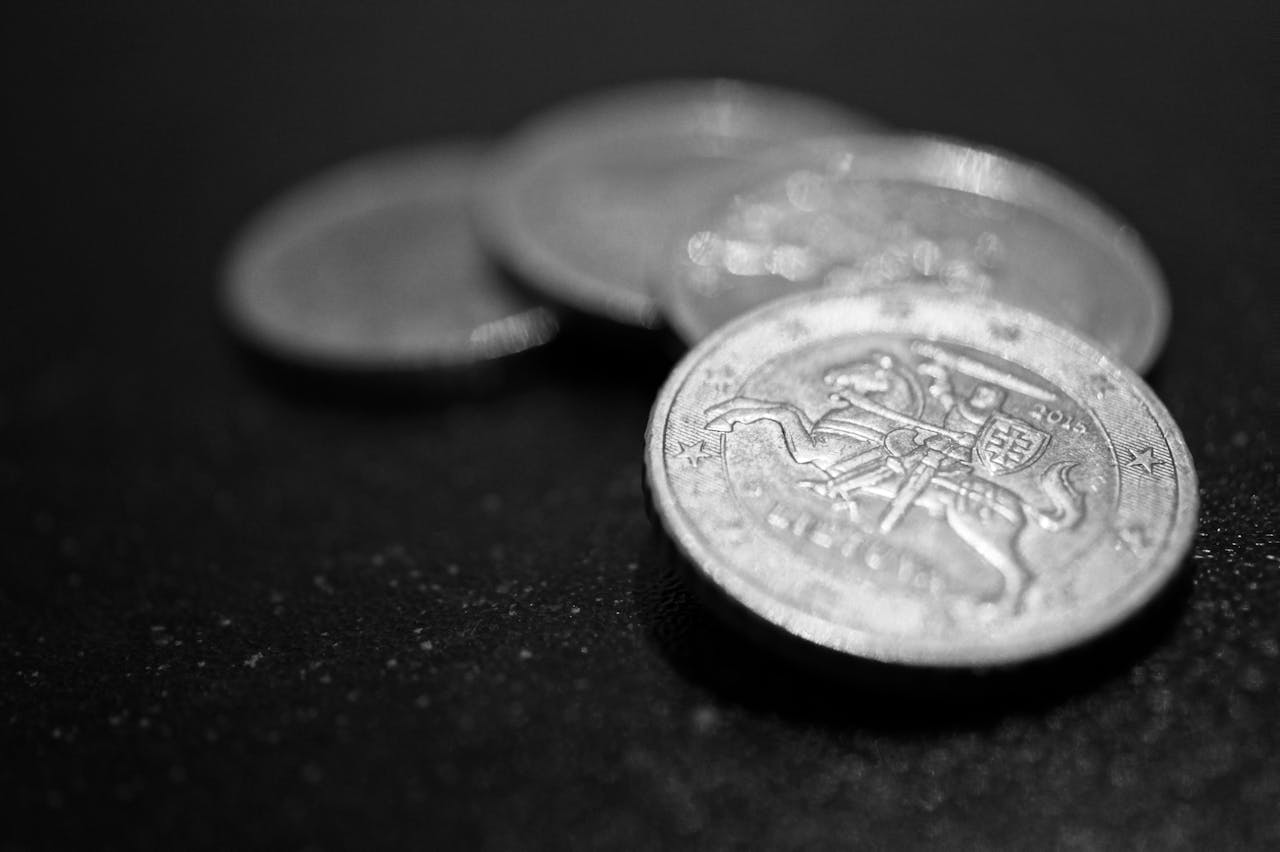
Silver coins and bullion have a strong market because their value depends on silver purity, weight, and condition. Coins can include older collectible editions or modern bullion coins.
You should check if the coin is rare or has numismatic value. Some coins sell for more than their silver content. Bullion bars and rounds sell mainly by silver weight.
You can sell coins and bullion to coin shops, precious metal dealers, or online buyers. Getting your items tested ensures you receive the correct price for their silver content.
Jewellery, Cutlery, and Decorative Silver
Sterling silver jewellery often carries value beyond silver weight due to craftsmanship or designer names. Plain pieces typically sell near scrap value unless they have gems or are branded.
Cutlery and tea sets made of sterling silver are popular but frequently sold as complete sets. Antique or branded cutlery may fetch a higher price. Items with damage or missing pieces usually sell for scrap value.
Decorative silver items like candlesticks or bowls also vary in value. You can sell these to specialists or general precious metal buyers. Proper cleaning and photos help when selling online or to collectors.
Ready to sell gold online UK? At Gold Bank, we offer more than just gold. You can also sell silver scrap, platinum bars and start selling silver jewellery all in one place. Our process is quick and easy—request your free insured pack, send your items, and receive a professional valuation with same-day payment. We offer top rates, complete transparency, and decades of expertise in the industry. Whether you’re clearing out your jewellery box or liquidating an investment, Gold Bank provides a secure and convenient way to turn your precious metals into instant cash.