

 In Stock

 Low Stock
When selling your silver bars, verifying their authenticity is essential to protect your investment and ensure you get a fair price. You can check if your silver bullion is genuine by using simple tests like the magnet or water test, or by seeking help from a reputable appraiser or precious metals dealer. Knowing how to confirm authenticity helps you avoid counterfeit products, which are common in the market.
Packaging your silver bars correctly is just as important. Proper protection keeps your silver safe from damage during handling or transit, maintaining its value. Using airtight holders or original packaging from trusted mints can preserve the condition of your silver bars and give buyers confidence in your sale.
Understanding Silver Bars and Bullion
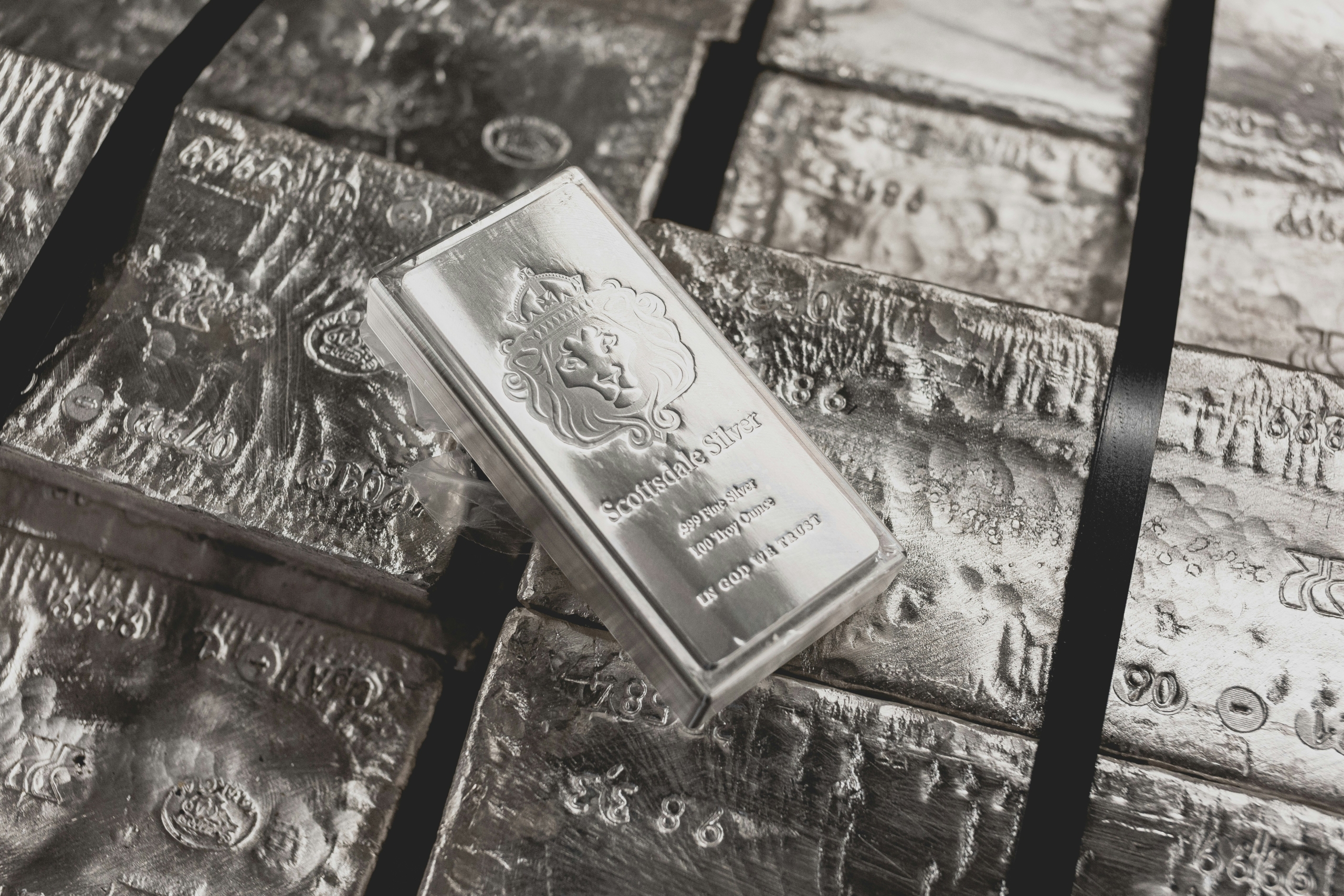
Silver bars and bullion come in different forms and qualities. Knowing their types, how to spot investment-grade silver, and understanding the marks on them helps you check authenticity and value before selling.
Types and Forms of Silver Bars
Silver bars vary in size and shape. They can range from 1 ounce to 1,000 ounces or more. Smaller bars offer easy liquidity, while larger bars often come at better price rates per ounce.
Besides bars, silver bullion includes coins and rounds. Bars are generally flatter with stamped surfaces, while coins are minted with detailed designs. Your choice depends on how you want to hold or sell your silver.
Most silver bars are made from fine silver, usually 99.9% or 99.99% pure. This high purity is essential for resale value. Always confirm the exact weight and purity when handling silver bullion.
Investment-Grade vs Generic Silver
Investment-grade silver bars have certified purity and come from reputable mints or refineries. These bars offer certificates and serial numbers, ensuring their authenticity.
Generic silver bars or rounds often lack certification. They might be cheaper but come with higher risks, such as lower purity or counterfeit issues.
When you sell, investment-grade silver bars generally fetch better prices. Their clear origin and purity make buyers more confident. You should prioritise recognised brands or refineries to safeguard your investment.
Recognising Hallmarks and Stamps
Hallmarks on silver bars are official marks indicating purity, origin, and sometimes the assayer or manufacturer. These marks are critical for verifying silver’s legitimacy.
Common hallmarks include the purity level, such as “.999” or “.9999,” signifying 99.9% or 99.99% silver content. Many bars also show the mint’s logo and a unique serial number.
Carefully check for clear, permanent stamps on the front or back of the bar. Fakes may have unclear or missing hallmarks. Always compare markings with known authentic examples from the issuing mint or refinery.
Authenticating Silver Bars for Sale
When preparing silver bars for sale, it is vital to verify their authenticity carefully. You need to check the physical details, test the silver itself, confirm purity marks, and consider professional authentication to protect yourself and your buyers.
Examining Physical Attributes
Start by closely inspecting your silver bars for any irregularities. Genuine silver bars usually have sharp, clear edges and smooth surfaces without dents or scratches. Compare the size and weight against standard measurements; genuine silver bars have precise dimensions and consistent weight.
Look for distinct, well-defined logos or stamps from trusted mints or manufacturers. Any blurry or uneven markings may indicate counterfeit bars. Pay attention to texture; authentic bars often have a consistent sheen and feel heavier than fake ones, due to silver’s density.
Methods for Silver Testing
You can test silver bars using simple at-home methods or more advanced tools. The magnet test is basic but useful; silver is non-magnetic, so any attraction indicates a likely fake. You can also try the ice test—silver has high thermal conductivity and will melt ice quickly compared to other metals.
For more accuracy, consider an acid test kit designed for silver testing. These kits use nitric acid to check reaction colours, helping confirm silver’s purity. Another option is using an electronic silver tester or XRF analyser, which can measure metal content without damaging the bar.
Identifying Purity Marks and Assay Certificates
Check for hallmark stamps on your silver bars that indicate purity and origin. Common marks include “999” or “0.999,” which show the bar is 99.9% pure fine silver. You might also find the stamp of the mint, a serial number, and sometimes an assay mark verifying official testing.
Assay certificates are important documents that come with many silver bars. These certificates confirm the bar’s authenticity and purity through official testing. Keep these documents safe as proof when you sell; they add credibility and trust for buyers.
Professional Authentication Services
If you are unsure about your silver bar’s authenticity, seek professional authentication services. Experienced dealers and assay offices use precise equipment to verify the metal’s purity and authenticity. This includes tests like fire assay or X-ray fluorescence.
Professional authentication can provide a formal certificate, which increases buyer confidence and may increase value. Using recognised experts reduces the chance of scams or selling fake silver. It is especially important when dealing with high-value or uncertified bars.
Preparing and Packaging Silver Bars
You need to check your silver bars for any damage or dirt before packaging. Handling the bars correctly and using the right packaging materials will protect their condition. Clear labelling and keeping proper documents will help you prove authenticity and value when selling.
Evaluating Condition and Cleanliness
Examine your silver bars closely for scratches, dents, or stains. Physical silver can lose value if it looks damaged. Avoid cleaning bars with harsh chemicals or abrasives, as these can harm the surface.
Use a soft, dry cloth to gently remove dust or fingerprints. If needed, light soapy water can be used but dry the bars completely before storing them. Keeping silver bullion clean helps maintain its appearance and resale value.
Document any small imperfections you see, especially if you plan to sell privately. This builds trust with buyers and can prevent disputes.
Proper Handling and Tamper-Proof Packaging
Always handle silver bars with clean hands or wear cotton gloves to avoid oils and dirt transfer. Avoid wrapping silver bars in plastic or placing them in sealed bags, as this can cause tarnishing or moisture damage.
Use sturdy, non-reactive packaging like acid-free cardboard or hard plastic cases designed for bullion. These protect the bars during shipping and storage. Make sure the packaging does not bend or scratch the bars.
Consider using tamper-evident seals if you need to ship your bars. This prevents interference or fraud during transit. Also, insure the shipment for its full value to reduce financial risk.
Labelling and Documentation
Label each bar clearly with details like weight, purity, and brand. If you have certificates of authenticity, keep them safe and attach copies to the package. This proof is crucial for buyers and dealers.
Keep a record of serial numbers if your bars have them. Proper documentation shows transparency and helps verify the bars when selling. Include purchase receipts or assay certificates to increase buyer confidence.
Organise your paperwork neatly. Buyers prefer clear, easy-to-check documents that confirm the bar’s origin and quality.
Selling Silver Bars Safely
When selling silver bars, it is important to protect your investment and personal information. Choosing the right buyer, negotiating fairly, and ensuring your privacy are critical to making a secure transaction.
Selecting a Reputable Buyer
Start by researching buyers carefully. Look for dealers with strong reputations, verified reviews, and proper licences. Avoid buyers who pressure you to sell quickly or offer prices far below market rates.
Check if the buyer specialises in silver investment or precious metals. A professional buyer will test and confirm the authenticity of your silver bars before offering a price. Always ask for identification and proof of business credentials.
Meeting in a secure, public location or using a trusted online platform can reduce risks. Never send silver bars by mail without insurance and tracking.
Negotiating Price and Offers
Understand the current silver spot price before accepting any offers. Most buyers offer slightly less than spot price due to margins, so expect some negotiation.
Be ready to compare quotes from multiple buyers to get the best deal. If the silver bars are in pristine condition or have a premium brand, you may get a better price.
Do not rush into a sale. Allow time to review offers carefully. Clearly confirm payment method and timing before handing over your silver bars.
Protecting Privacy and Security
Keep your personal information private during the sale. Avoid sharing excessive details, such as home address or financial data, unless absolutely necessary for the transaction.
Use secure payment methods like bank transfers or escrow services to avoid scams. If meeting in person, bring a trusted companion and choose well-lit, public places.
Store your silver bars safely while negotiating. Using a secure, insured storage service can protect your investment from theft or damage during the sale process.
Transaction Methods and Payment Security
When selling silver bars, you must prioritise safe payment methods and clear transaction steps. Securing your payment and choosing reliable shipping and insurance will protect your investment and ensure a smooth sale.
Using Secure Payment Methods
Choose payment methods that offer protection and reduce fraud risk. Bank transfers are common for high-value sales because they are traceable and secure. Avoid cash or personal cheques unless you trust the buyer fully.
Using an escrow service can safeguard both parties by holding funds until you confirm the silver bars’ delivery. Confirm payment clearance before you ship. Ensure payments are from reputable sources and avoid sharing sensitive banking details outside secure platforms.
Keep detailed records of payments and communications. These can help resolve disputes or provide evidence if issues arise later.
Bank Transfer Procedures
When accepting bank transfers, verify the buyer’s account details carefully. Ask for proof of identity and confirm funds have cleared your account before shipping.
Use a secure bank that supports transaction alerts. Enable notifications for incoming payments to track when funds arrive. Avoid transactions from unknown or new accounts without verification.
For large amounts, banks may require you to provide ID or proof of address. Be prepared to comply with these requests to prevent delays. Always transfer funds between accounts with matching personal or business names.
Shipping and Insurance Best Practices
Insure your silver bars for their full value during shipping to cover loss or damage. Use courier services that offer tracked and signed delivery options.
Pack silver bars in sturdy, tamper-proof packaging. Label parcels discreetly and avoid indicating the contents on the outside. Keep packaging receipts and tracking numbers for your records.
Notify the buyer of shipment details and expected delivery times. Confirm receipt promptly to avoid disputes. If possible, arrange for delivery to verified addresses only. This helps protect your sale and your silver bars.
Ready to sell gold online UK? At Gold Bank, we offer more than just gold. You can also sell silver scrap, platinum bars and start selling silver jewellery all in one place. Our process is quick and easy—request your free insured pack, send your items, and receive a professional valuation with same-day payment. We offer top rates, complete transparency, and decades of expertise in the industry. Whether you’re clearing out your jewellery box or liquidating an investment, Gold Bank provides a secure and convenient way to turn your precious metals into instant cash.