

 In Stock

 Low Stock
If you have silver jewellery tucked away, you might wonder if it’s worth selling. The value depends on factors like the type of silver, its condition, and whether the piece is antique or designer. Simple sterling silver usually sells for less, while rare or vintage items can fetch a higher price.
Knowing how to check your jewellery’s worth before selling can help you get a fair deal. Look for markings, research current silver prices, and consider the style and age of your pieces. This way, you avoid underselling and make informed choices about your collection.
Understanding Silver Jewellery Value
Knowing the value of your silver jewellery means looking closely at its metal type, quality, and design. You will consider how much silver it contains and what impact this has on price. Craftsmanship and market demand also affect how much you can expect when selling.
What Makes Silver Jewellery Valuable
The value of your silver jewellery depends mainly on the silver content and the metal’s purity. Pure silver is too soft for most jewellery, so it is mixed with other metals for strength. The most common type is sterling silver, which contains 92.5% silver.
Other factors that add value include the design, craftsmanship, and condition. Pieces with fine details or made by well-known designers often fetch more. Vintage or antique items may be worth more due to rarity.
You can check for hallmarks on the piece. These marks show the silver content, origin, and sometimes the maker. They prove the authenticity and quality of your jewellery, affecting its resale price.
Types of Silver Used in Jewellery
Most silver jewellery is made from sterling silver (92.5% pure silver), which balances purity and durability. Some pieces use coin silver (90% silver) or fine silver (99.9% pure), but these are less common.
You might also find silver plated jewellery, which has a thin layer of silver over a base metal. This type holds less value because it contains very little actual silver.
Knowing the type of silver in your jewellery helps you estimate its worth. Sterling silver items generally have a stable market value, while silver-plated pieces often have low resale prices.
Key Factors Influencing Market Value
Your silver jewellery’s market value depends primarily on:
- Silver content and weight: More silver means higher base value, calculated by the current silver price.
- Condition: Clean, untarnished items in good shape sell better.
- Craftsmanship and design: Unique, detailed, or branded jewellery increases value.
- Age and rarity: Antique and vintage pieces can command premiums due to their limited availability.
Sterling silver remains a popular material, so demand for it will affect pricing too. However, market silver prices can fluctuate, so the value of your piece can change over time.
Assessing Material and Brand
Knowing how to check your silver jewellery’s material and brand is key to understanding its value. You need to tell if it is genuine sterling silver, recognise if it comes from a well-known designer, and identify the marks that prove its authenticity. These factors affect how much your piece could sell for.
Distinguishing Sterling Silver from Silver-Plated
Sterling silver is made up of 92.5% pure silver and 7.5% other metals, usually copper. This gives it strength and a lasting shine. Silver-plated items have only a thin layer of silver over a base metal like copper or brass.
To test for sterling silver, look for marks like “925” or “Sterling”, usually on the clasp or inside a ring. Silver-plated items may have markings like “EPNS” (electroplated nickel silver) instead. You can also test with a magnet since sterling silver is not magnetic but some base metals are.
Sterling silver holds its value better than silver-plated, making it more worth selling.
The Impact of Designer Brands
Jewellery from famous brands like Cartier or Tiffany & Co typically has higher resale value. These designers use high-quality silver and craftsmanship that buyers trust.
If your piece shows a popular brand’s signature style or logo, this will increase its appeal. Brand recognition can add significantly to what you can expect when selling because of demand.
Make sure to verify that the brand mark is genuine to avoid counterfeit items, which can lower your jewellery’s worth badly.
Identifying Authentic Hallmarks
Hallmarks are official stamps showing details like metal type, purity, and where the item was made.
In the UK, sterling silver will usually have a lion passant mark. You might also see a date letter and assay office symbol, such as Birmingham or London crowns.
Check for clear, precise hallmarks as these confirm the silver content and authenticity. Lack of hallmarks or blurred marks could mean the jewellery isn’t real sterling silver or is of lower quality.
Knowing how to read these marks lets you understand your jewellery’s silver content and legal authenticity, both important for accurate valuation.
Evaluating Craftsmanship and Gemstones
To check if your silver jewellery is worth selling, you need to carefully look at the skill in its making and the quality of any gemstones it has. These details can greatly affect the price. Understanding these factors will help you value your piece more accurately.
Craftsmanship and Design Significance
The quality of craftsmanship shows in the fine details of your jewellery. Look for smooth finishes, strong settings, and precise joins. Handmade or well-crafted pieces usually hold more value than mass-produced ones.
Design also matters. Unique or classic designs by known makers can increase worth. Check for any hallmarks or maker’s marks, as they often indicate higher quality or a recognised brand. Flaws like loose stones or scratches reduce value, so condition plays a role too.
Quality of Gemstones and Diamonds
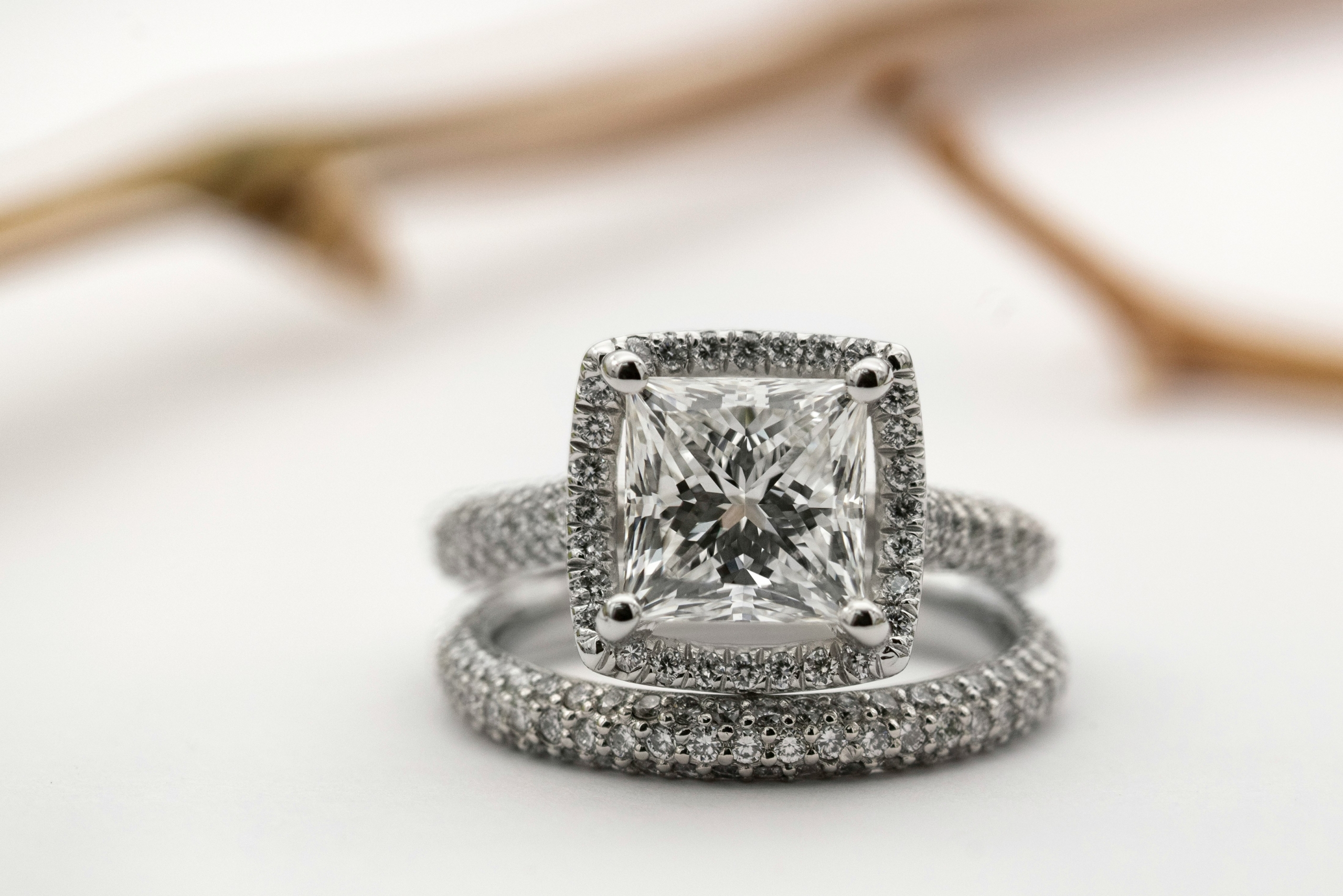
Gemstones add significant value if they are genuine and well-cut. For diamonds, you should consider the four Cs: clarity, colour, cut, and carat weight.
- Clarity: Fewer inclusions mean higher quality.
- Colour: Colourless diamonds are usually worth more.
- Cut: A good cut improves sparkle and value.
- Carat: Larger stones tend to be more valuable.
If your silver piece has other precious stones, check if they are natural and untreated. Fake or damaged gemstones lower your jewellery’s selling price.
Platinum and Mixed Material Pieces
Platinum is a valuable metal often mixed with silver in jewellery. Pieces with platinum accents are worth more than pure silver alone.
When evaluating mixed materials, identify the metal composition carefully. Platinum is heavier and more durable, so its presence can boost the value significantly. Be cautious of plated items that only have a thin layer of precious metal, as they are less valuable.
If your jewellery combines silver, platinum, and valuable stones, the overall worth increases, provided the craftsmanship is solid.
Analysing Vintage and Collectible Pieces
When handling vintage and collectible silver jewellery, focus on specific factors like condition, marks, and style to determine its worth. Also, understanding current buyer interest helps you know if it’s a good time to sell.
Determining the Value of Vintage Jewellery
Start by checking the hallmarks inside rings, bracelets, or on clasps to confirm metal content and origin. These marks tell you if the piece is genuine silver and may identify the maker.
Next, assess the jewellery’s condition. Look for wear on the band, any damage to settings, or chipped stones. Poor condition lowers value, while well-kept pieces are more sought after.
Identify the piece’s style and era. Victorian, Art Deco, and other distinct vintage styles often carry more value. Research similar items online or in auction results to see recent sale prices.
Keep in mind rarity plays a role. Unique designs or limited editions usually attract collectors and higher prices.
Market Demand for Antique Silver Items
Your vintage silver jewellery’s value depends on current market trends. Certain styles, such as Victorian bug-themed brooches or Art Deco pendants, may be in higher demand.
Check recent sales and auction results to understand which pieces sell well. Gold and diamond jewellery often hold steady, but silver’s popularity can rise and fall depending on fashion and collector interest.
Condition and provenance also affect buyer interest. Pieces with a documented history or from notable manufacturers fetch better prices.
If you see a rise in the market for specific silver items, it might be a good moment to consider selling your vintage collection.
Conducting a Preliminary Valuation at Home
Before selling your silver jewellery, you can estimate its value by looking at key details like purity and weight. You can also use online tools to get an initial idea of worth. These steps help you decide if a professional valuation or sale is worthwhile.
Checking Purity and Weight
Start by identifying the silver content in your jewellery. Most silver jewellery is made from sterling silver, which is 92.5% pure silver. Look for marks such as “925” stamped on the item, which shows it is sterling silver.
Next, weigh your silver jewellery using a scale that measures in grams. The weight is important because silver is often priced per gram or ounce. Make sure to include any silver parts only, excluding stones or non-silver components.
You can also check for tarnish or damage that might affect the price. Clean pieces in good condition generally have higher value. Write down the purity mark and weight, as these figures will be essential for further valuation steps.
Using Online Valuation Tools
There are websites and apps where you can enter your silver jewellery’s weight and purity to get an instant value estimate. These tools use current silver market prices, which can fluctuate daily.
When using an online calculator, input the sterling silver percentage (usually 92.5%) and total weight in grams. The tool will multiply the silver content by the current price per gram to give a rough value. Some tools also account for craftsmanship or brand, which can increase worth.
Keep in mind these estimates do not replace professional appraisals but provide a quick, free way to check your jewellery’s potential value before selling.
The Role of Professional Appraisals
Knowing the true value of your silver jewellery requires an expert look. A professional appraisal gives you detailed information about your pieces and helps you understand their worth clearly.
Benefits of Professional Evaluation
A professional appraisal provides an accurate and unbiased estimate of your silver jewellery’s value. This helps you set a fair price if you plan to sell.
You gain proof of authenticity, which is essential for buyers who want confidence in their purchase. It also helps protect your investment by giving you documentation for insurance claims.
Additionally, a professional evaluation reveals details you might miss, such as the metal purity, design quality, and any markings. This information can increase your jewellery’s appeal and resale value.
How Appraisers Assess Silver Jewellery
Appraisers examine both the metal and craftsmanship when evaluating silver jewellery. They check for hallmarks that confirm the silver’s purity, like S925, which means 92.5% silver content.
Clarity and condition of any stones, the weight of the piece, and overall design impact value. Appraisers also assess wear and damage, if any, as this affects pricing.
Using specialised tools, they measure and test the metal properties carefully. The final report details all findings clearly, so you understand how your jewellery was assessed.
Preparing Your Silver Jewellery for Sale
To get the best value for your silver jewellery, cleaning and presenting it well is essential. Proper care can increase appeal and help buyers see its true quality.
Cleaning and Maintenance Tips
Start by identifying the type of silver in your jewellery, such as sterling silver, to choose the right cleaning method. Use a soft cloth and mild soap with warm water to gently clean dirt and oils. Avoid harsh chemicals that can damage or dull the surface.
If your jewellery is tarnished, use a silver polish designed specifically for jewellery. Apply it carefully with a soft cloth, then rinse and dry thoroughly. For intricate designs or delicate pieces, consider soaking in a silver cleaning solution briefly, but follow the instructions closely.
Check for loose stones, broken clasps, or damaged links. Repairing minor issues before selling can improve the piece’s value and attract more buyers.
Presenting and Photographing Your Pieces
Presentation impacts the price you can get. Display your silver jewellery against a plain background like white or black fabric. This contrast helps the silver stand out clearly in photos.
Use natural light to avoid reflections or harsh shadows. Take multiple photos from different angles to show details and condition. Focus on any unique features or hallmarks that confirm the quality or maker.
Keep your jewellery clean and polished just before photographing. Avoid cluttered settings to maintain a professional look. Clear, high-quality images make your items more attractive to online buyers or auctioneers.
Maximising Your Return: Where and How to Sell
Selling silver jewellery requires careful choice of where and when to sell. You need to balance convenience, price, and trustworthiness. Knowing your options and market conditions can help you get the best value for your pieces, especially for vintage jewellery and precious metals.
Comparing Selling Options
You can sell silver jewellery through dealers, pawnshops, online platforms, or auctions. Each has pros and cons.
- Precious metals dealers usually offer fair value based on silver prices. Look for regulated brokers with clear pricing methods.
- Pawnshops offer quick cash but often low prices. Use them only if speed is your priority.
- Online marketplaces like auction sites or specialist jewellery forums can get you more if you find the right buyer. However, fees and scams can reduce your profit.
- Auctions are good for vintage or unique pieces, where collectors may pay extra for rarity.
Get quotes from at least three buyers to compare offers. Always ask how they value your silver or vintage jewellery. Keep documentation and photos to support your price.
Understanding Market Timing
Silver prices can fluctuate daily. Selling when prices are high can significantly increase your return.
Track current precious metal rates online before you sell. Market trends often rise during times of economic uncertainty or inflation.
Seasonal demand may affect vintage jewellery too. For example, holiday seasons can boost buyer interest.
Don’t rush to sell if prices are low. You can wait for a better window unless you need urgent cash. Stay informed about market news and plan your sale accordingly.
Ready to sell gold online UK? At Gold Bank, we offer more than just gold. You can also sell silver scrap, platinum bars and start selling silver jewellery all in one place. Our process is quick and easy—request your free insured pack, send your items, and receive a professional valuation with same-day payment. We offer top rates, complete transparency, and decades of expertise in the industry. Whether you’re clearing out your jewellery box or liquidating an investment, Gold Bank provides a secure and convenient way to turn your precious metals into instant cash.