

 In Stock

 Low Stock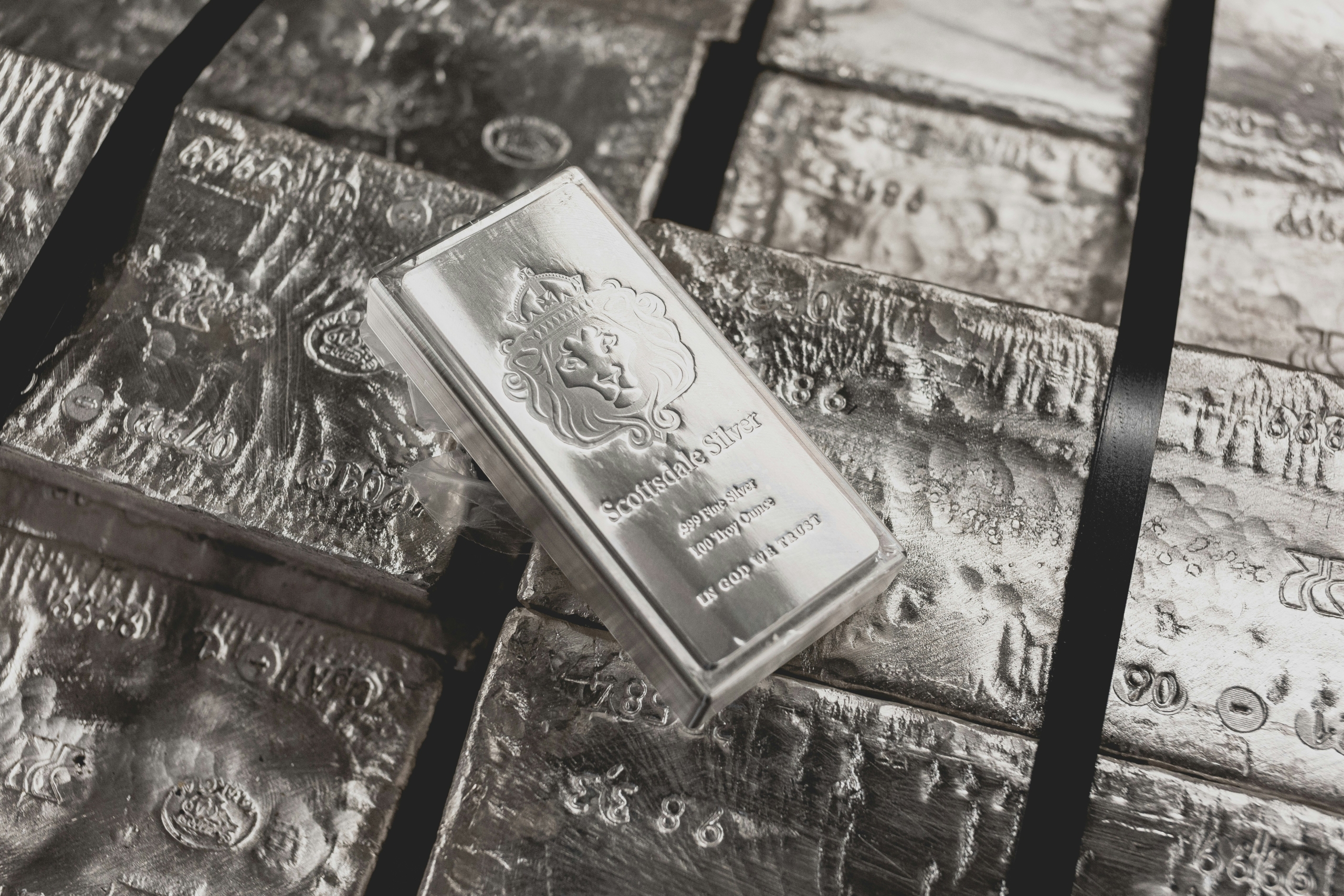
When you’re looking to sell silver bars, the amount you receive depends on several key factors. These include the current market price of silver, the purity and weight of your bars, and any premiums added by dealers. Understanding these elements helps you maximise your return and avoid surprises during the sale.
The condition of your silver, such as any toning or damage, as well as the brand or mint, can also influence the resale price. Shipping, insurance costs, and dealer margins often affect the final amount you receive, so being aware of these costs is important when planning your sale.
By knowing what affects your silver bar’s value, you can make informed decisions and get the best possible price. This article explores these factors in detail to help you navigate the resale process confidently.
Core Factors Affecting Silver Bar Resale Price
Several measurable elements impact the resale price of your silver bars. Understanding these will help you make better decisions when selling or valuing your silver bullion.
Spot Price and Market Volatility
The spot price of silver is the most immediate influence on your silver bar’s resale value. This fluctuates constantly based on global supply and demand, currency strength, inflation outlook, and geopolitical events.
You should monitor the silver price in real time, especially if you plan to sell soon. Sharp market moves can increase or decrease the value by several percentage points within days or even hours.
Market volatility also affects how buyers price silver bars. During times of high uncertainty, premiums above spot price may widen or narrow depending on demand for physical metals.
Bar Weight and Purity
The physical characteristics of your silver bar directly affect its worth.
- Weight: Most silver bars are sold by troy ounces or kilograms. Larger bars often command a smaller premium per ounce compared to smaller bars.
- Purity: You should verify the silver content is near or at 99.9% pure. Lower purity bars will have a reduced value since they contain less silver metal.
Both these factors determine the total bullion content, which is the baseline for pricing. Any deviation from standard weights or lower purity can reduce your resale price.
Brand and Mint Reputation
The source of your silver bar influences buyer confidence and pricing. Well-known mints or brands like PAMP Suisse, Engelhard, or the Royal Canadian Mint usually attract better resale prices.
Familiarity and recognised hallmarks reassure buyers of authenticity and quality, reducing the risk premium they apply.
If your silver bar comes from a lesser-known producer, expect some discount as buyers consider potential doubts about purity or authenticity. Always keep original packaging or certifications, as this can add value when reselling.
Market Influences and Timing Considerations
Several key factors determine how the resale price of your silver bars moves. These include the availability of silver, worldwide economic conditions, and the behaviour of investment markets. Understanding these can help you make informed decisions when selling.
Supply and Demand for Precious Metals
The supply of physical silver is affected by mining output and existing stockpiles. When mining supply is limited or disrupted, the scarcity can push prices higher. Conversely, increased supply without matching demand tends to lower prices.
Demand for silver comes from both industrial uses and investment interest. High industrial demand—for electronics or solar panels, for example—supports stronger prices. Investor demand, driven by economic uncertainty, often increases buying of physical silver bars.
You should track these factors carefully. Sudden shifts in supply or demand can create price fluctuations that affect your potential sale proceeds.
Global Economic Trends
Silver prices react to global economic indicators such as inflation rates, interest rates, and currency strength. When inflation rises, silver often becomes more attractive as a hedge, potentially raising its price.
Economic uncertainty, including geopolitical tensions or market volatility, usually boosts demand for precious metals. If central banks adjust interest rates or if the US dollar weakens, silver prices can respond quickly.
Monitoring these trends helps you identify periods when selling silver bars may be more favourable. Staying updated with economic news can provide timely opportunities to maximise returns.
Silver Futures and Investment Vehicles
Silver futures contracts represent agreements to buy or sell a specific quantity of silver at a future date and price. These influence silver’s spot price by reflecting market sentiment and expectations.
You should be aware that futures prices affect the investment climate, including how traders value physical silver. High future prices often signal strong demand, which can support physical silver’s resale price.
Other investment vehicles, such as silver ETFs and mining stocks, also impact market dynamics. Understanding how these instruments interact can help you anticipate pricing movements for your physical silver holdings.
Transaction Costs and Selling Channels
When selling silver bars, the final price you receive depends not just on the silver’s market value but also on various expenses tied to the selling process. Understanding these costs and the differences between selling platforms will help you maximise your returns.
Dealer Premiums and Buyback Rates
Dealers often set buyback prices below the current silver spot price. You can expect to receive anywhere from 50% to 95% of the spot price, depending on the dealer and market conditions. This difference stems from dealer premiums — fees they add to cover their costs and profit margins.
Premiums vary by dealer reputation, volume, and demand for specific bars. Some dealers specialise in lower premiums but might offer less convenience. When selling to a dealer, asking about their buyback rate upfront saves surprises. Remember, the resale price can be substantially affected by these premiums and how much the dealer is willing to pay.
Shipping, Insurance, and Selling Fees
Additional costs affect your net return when selling silver bars from home or another location. Shipping fees must be factored in, especially if you choose insured delivery to protect against lost or damaged parcels.
Insurance costs depend on the declared value of the silver. You should also consider any seller fees or commissions if you use auction sites or consignment services. These fees can range from 5% to 20% of the total sale price, cutting into your final amount.
Key costs to track:
- Shipping and handling
- Insurance premiums
- Commissions and transaction fees
Careful management of these expenses ensures you retain the maximum portion of your silver bar’s value.
Comparison of Sales Platforms
You have multiple channels to sell your silver bars, each with pros and cons.
- Direct sales to dealers usually offer fast payments but lower buyback rates.
- Online marketplaces like eBay can yield higher prices but may charge listing and final value fees.
- Auction houses often attract collectors seeking specific bars but can be slower and involve high commissions.
Selling from home through local buyers or pawnshops provides convenience yet often results in lower returns. For the highest possible resale price, selling through reputable dealers or established online platforms is generally best. Your choice should balance convenience, risk, and potential profitability.
Bar Size and Liquidity in the Secondary Market
The size of your silver bar directly influences how easy it is to sell and the price you get for it. Different bar sizes cater to various investment strategies, while liquidity affects both the speed and value of your resale.
Popular Bar Sizes and Their Appeal
Silver bars come in a range of sizes, from 1 troy ounce to 100 ounces and beyond.
Smaller bars (1 oz to 10 oz) are popular among buyers because they offer easier entry points and higher liquidity. These bars typically carry higher premiums per ounce due to manufacturing costs and demand but are easier to sell in parts or smaller amounts.
Larger bars, such as 100 oz, usually have lower premiums per ounce, making them more cost-effective to purchase. However, they require a bigger initial investment and might be harder to sell quickly.
You should balance your portfolio by considering both sizes if you want value and flexibility.
Impact of Bar Liquidity on Resale Value
Liquidity refers to how quickly you can sell your silver bars without significant price drops. Small bars are generally more liquid since they attract a wider pool of buyers.
In the secondary market, coins and small bars often sell faster than large bars, which can be less attractive due to their higher upfront costs.
When bars are less liquid, dealers might offer you lower prices to offset their own sales risk. This impacts your effective resale value.
To maximise liquidity and resale price, consider holding popular bar sizes that match typical buyer preferences in your market.
Frequently Asked Questions
The resale price of silver bars depends on several specific factors including purity, condition, brand, and market trends. You should consider how each aspect directly affects the value you can expect when selling your silver bars.
How does the purity of silver bars impact their resale value?
The purity of your silver bar is crucial because higher purity means more actual silver content. You will get a price closer to the current silver spot price when the bar is 99.9% pure or higher.
Lower purity bars sell for less since they contain less silver metal. Buyers will adjust offers based on the percentage of fine silver within the bar.
In what ways can the condition of a silver bar influence its market price?
The condition affects how much buyers are willing to pay beyond the metal value. Bars in pristine condition, free of scratches, tarnish, or damage, generally fetch a better price.
Damaged or heavily worn bars might receive discounts since repair or cleaning can reduce their resale appeal.
What role does market demand play in determining the price of second-hand silver bars?
When demand for silver rises, resale prices typically increase too. Economic uncertainty or industrial needs can boost demand, pushing prices higher.
Conversely, a drop in demand often results in lower offers and tighter margins at resale.
How do fluctuations in the silver spot price affect the resale value of silver bars?
Your silver bar’s resale value moves closely with the silver spot price, which represents current market worth per ounce.
A rising spot price directly increases your silver’s value, while a falling spot price lowers it almost immediately.
To what extent do the brand and mint origin of silver bars contribute to their resale value?
Bars from reputable mints like the Royal Canadian Mint or PAMP Suisse often carry a premium above spot. Buyers trust the authenticity and purity of such brands more.
Lesser-known or generic bars may sell closer to spot price or slightly below, reflecting perceived risks or lower market demand.
How do collectability and rarity factors influence the price of silver bars on the resale market?
Rare or limited edition bars may command prices above pure silver value due to collector interest. Unique designs or historical significance add numismatic value.
Most standard bullion bars trade at or near spot price, with collectability driving substantial price increases only in select cases.
Ready to sell gold online UK? At Gold Bank, we offer more than just gold. You can also sell silver scrap, platinum bars and start selling silver jewellery all in one place. Our process is quick and easy—request your free insured pack, send your items, and receive a professional valuation with same-day payment. We offer top rates, complete transparency, and decades of expertise in the industry. Whether you’re clearing out your jewellery box or liquidating an investment, Gold Bank provides a secure and convenient way to turn your precious metals into instant cash.