

 In Stock

 Low Stock
Deciding whether to sell your silver bars now or hold for better prices depends largely on your individual financial goals and market conditions. If you need immediate liquidity or want to avoid potential market volatility, selling now could be a sensible choice. However, silver prices can be unpredictable, often influenced by economic factors and investor sentiment.
Holding silver may offer the chance for higher returns if prices continue to rise, but it also carries the risk of a price drop. You should consider your investment timeline, current market trends, and how silver fits within your overall portfolio before making a decision.
Understanding the factors that impact silver’s value and exploring the best selling options can help you maximise your returns. This article will guide you through the key points to consider when choosing the right time to sell or hold your silver bars.
Should You Sell Silver Bars Now or Hold for Better Prices?
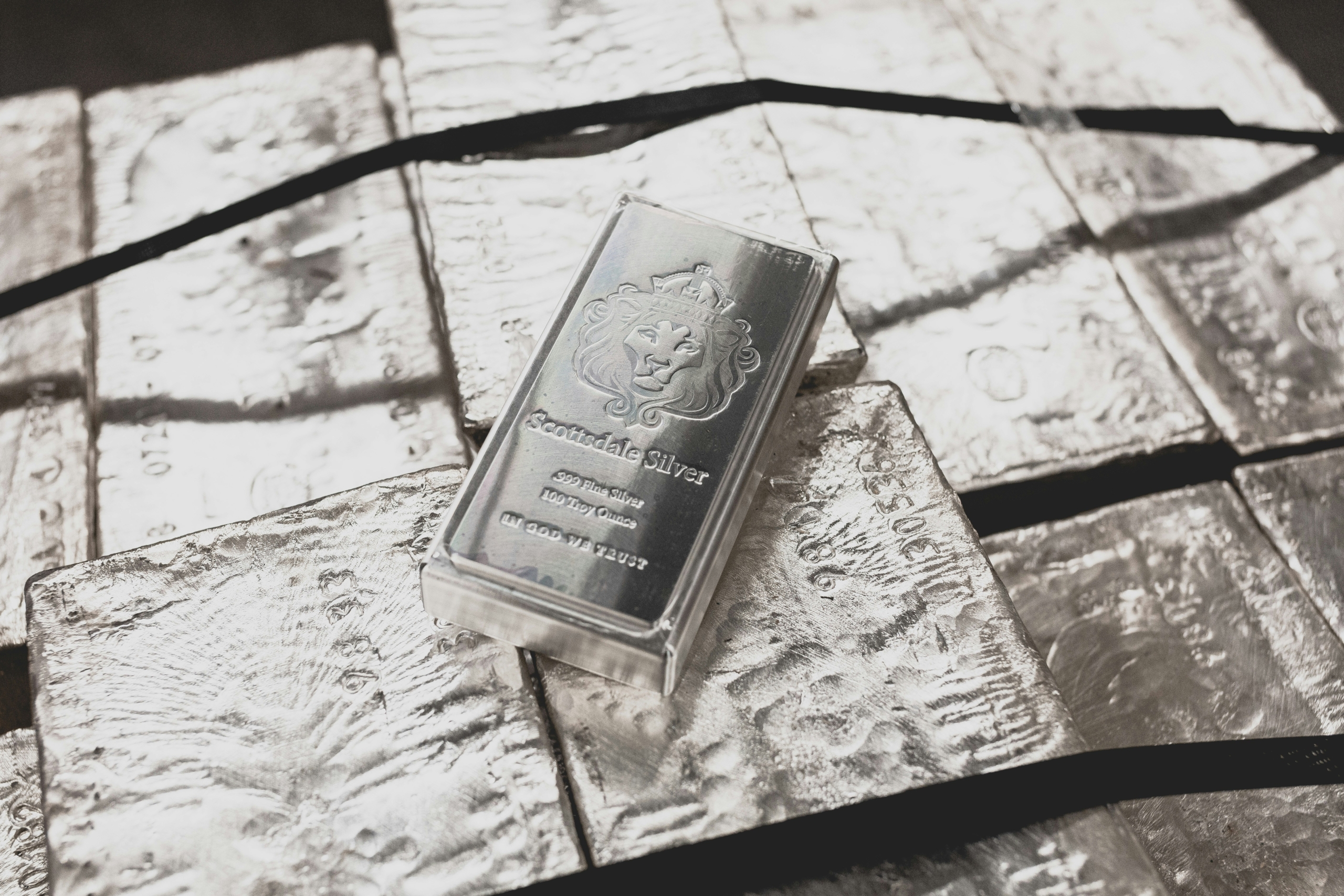
Your decision to sell silver bars or hold depends on various factors like current silver prices, market trends, and your financial goals. Considering liquidity, potential future gains, and the timing of your sale can help you make a more informed choice.
Key Considerations for Silver Bar Owners
When owning silver bars, you must prioritise liquidity and market timing. Silver bars generally have good resale value, but larger bars can be harder to sell quickly compared to smaller ones or coins. Pay attention to premiums and dealer fees, as these affect your net returns when selling.
Monitor silver prices closely. If prices have recently spiked or are approaching historical highs, selling could make sense. However, bear in mind that silver tends to be more volatile than gold, so price drops are possible. Storage costs and security should also factor into your decision if you plan to hold long term.
Deciding When to Sell or Hold
Timing your sale requires understanding broader economic trends and silver’s role as a hedge against inflation or currency fluctuations. If inflation is expected to rise or geopolitical tensions increase, silver prices might go up, favouring holding.
Conversely, if market indicators suggest a downturn or you need liquidity for other investments or expenses, selling now might be prudent. Analyse price momentum using charts and market forecasts rather than emotional reactions to short-term price movements.
Weighing Immediate Returns Against Future Gains
Selling your silver bars now offers immediate cash but risks missing out on potential price increases. If your investment horizon is flexible, holding allows you to benefit from silver’s possible future appreciation.
Consider your personal financial needs first. If you require funds soon, selling might be necessary despite the chance of price rises later. Otherwise, holding can act as a diversification strategy over time, balancing your portfolio against inflation and currency risks. Use a clear plan aligning your silver holding period with your overall investment goals.
Analysing Current Silver Prices and Market Trends
Silver prices have shown notable fluctuations recently, influenced by industrial demand, investor interest, and broader economic factors. Understanding these dynamics can help you decide whether to sell your silver bars now or wait for better returns.
Recent Price Movements
Silver has experienced significant price volatility over the past months. After reaching new highs, prices have fluctuated within a range influenced by both demand and geopolitical uncertainties. These movements have been driven partly by increased industrial use and the metal’s appeal as a hedge against inflation.
Tracking live silver prices and historical charts can reveal trends. You should note price spikes often coincide with economic shifts or market stress. For your silver bullion, this means timing sales around peaks may yield a better price, but rapid declines are also possible.
Key Market Indicators
Several indicators affect silver’s current value. Industrial demand, especially from electronics and solar sectors, remains robust, pushing prices higher. Meanwhile, investor sentiment, often shaped by inflation rates and currency strength, influences how silver bullion trades.
Watch for key signals, such as changes in interest rates, dollar performance, and global manufacturing output. Rising inflation and a weakening dollar typically support higher silver prices. Conversely, economic slowdowns and stronger currency trends tend to depress silver value.
Expert Predictions and Sentiment
Market analysts are divided but generally cautious on silver’s near-term outlook. Many expect continued demand growth driven by green technologies and renewed investor interest. However, some warn that silver’s higher volatility increases risk around price timing.
Sentiment among experts highlights a blend of optimism about medium-term gains with advice to remain alert to rapid shifts in market conditions. You should monitor forecasts but also consider your risk tolerance when deciding to hold or sell your silver bars.
Factors Influencing Silver Value in 2025
Silver prices in 2025 are shaped by many intersecting influences ranging from the global economy to industrial innovation. Understanding these drivers helps you gauge whether holding onto silver bullion will maximise your returns or if selling now is preferable. Key factors to consider include the state of economic growth, market supply constraints, and evolving uses of silver in technology.
Economic Conditions
Your silver value is closely tied to global economic health and monetary policy. In times of economic uncertainty, silver often acts as a safe haven, alongside gold, attracting investors. Inflation rates and interest rate decisions by central banks notably impact demand for silver as an inflation hedge.
Economic growth also affects industrial usage. When growth slows, demand from manufacturing and other sectors may weaken, reducing silver prices. Conversely, geopolitical tensions may increase price volatility, making silver more appealing as a financial asset. You should watch for economic indicators like GDP trends, inflation data, and policy shifts to anticipate price movements.
Supply and Demand
Silver prices depend heavily on the balance between supply and demand in both mining output and recycling. Mining production has seen limited growth, constrained by geopolitical and environmental factors, contributing to supply deficits. This limited supply supports higher silver prices in 2025.
On the demand side, investment in silver bullion and exchange-traded products remains strong. Physical silver purchases and investor interest often rise when other asset classes face uncertainty. Supply disruptions or increases in scrap recycling rates can also influence availability. Keeping an eye on mining production reports and investment trends can help you assess this critical factor.
Technological and Industrial Demand
Technological advances and industrial demand play an increasing role in determining silver value. Your silver prices are impacted by rising use in electronics, solar panels, and medical equipment. These sectors consume significant amounts of silver due to its conductivity and antibacterial properties.
The growing push towards renewable energy boosts demand for silver in photovoltaic cells. Meanwhile, trends like electrification and digitalisation further raise industrial silver consumption. This fundamental industrial demand adds a steady upward pressure on prices, making silver bullion an asset sensitive to technological progress and market adoption rates.
Practical Steps for Selling Silver Bars
When selling silver bars, knowing how to accurately value them, selecting the best time and method to sell, and identifying trustworthy dealers are critical to securing a fair price. These steps help you avoid costly mistakes and ensure your transaction is smooth and profitable.
Assessing the Value of Your Silver Bars
Begin by determining the current market price of silver, often quoted as spot price per ounce. Use reliable sources like market exchanges or financial news sites to track up-to-date silver prices.
Next, calculate the official weight and purity of your bars. Silver bars typically have their weight and fineness stamped on them, which directly impacts their value.
Consider any premiums or discounts that might affect the price. Larger bars often carry lower premiums, while smaller bars or those with unique designs may fetch a higher price. You should also factor in the condition and authenticity of your bars to avoid undervaluing or being misled.
Choosing the Right Time and Method to Sell
Timing your sale around market fluctuations is important. Selling when silver prices are at a local high can maximise your return. Monitor market trends, geopolitical events, and economic indicators that influence silver prices.
You can sell your silver bars either through physical dealers or online platforms. Each method has distinct advantages: physical dealers offer immediacy and personal service, while online sales may provide access to a broader market and potentially better prices.
Decide if you want a quick sale at a slightly lower price or if you can wait for a better market opportunity. Also, be aware of fees involved in certain sale methods, such as commissions or shipping costs.
Finding Reputable Silver Dealers
Trustworthy dealers are key to a safe and profitable sale. Look for dealers with established reputations, positive customer reviews, and transparent pricing policies.
Verify if the dealer is registered with industry organisations or holds relevant certifications. This indicates professionalism and adherence to trading standards.
It’s wise to compare offers from multiple dealers before selling. Ask for written quotes, check their buyback policies, and confirm how payments will be handled.
Local bullion shops, well-known online bullion dealers, and coin fairs are common places to find reputable buyers. Avoid dealers who pressure you to sell quickly or refuse to provide clear information.
Tax Implications and Legal Considerations
When selling silver bars or silver bullion, understanding the tax rules and keeping proper documentation is essential. This ensures compliance with HMRC and helps you avoid unexpected liabilities.
Capital Gains Tax and Regulations
In the UK, profits from selling silver bars are generally subject to Capital Gains Tax (CGT). This means any gain—difference between your purchase price and the sale price—could be taxable. CGT applies unless your silver is in the form of certain pound sterling coins, which are exempt.
You can deduct allowable costs like purchase price and fees paid on sale when calculating gains. The current CGT annual exempt amount allows you to make gains up to a specific threshold tax-free (£6,000 for 2023/24).
If you’re selling large amounts of silver bullion, you must report the gains to HMRC. Failing to do so can lead to penalties. It’s important to understand which products are exempt and which are not, as some silver coins have different treatment from bars.
Recordkeeping and Documentation
Maintaining accurate records is crucial when selling silver bullion or bars. You should keep purchase receipts, invoices, and any documentation showing the amount paid and sold.
Good recordkeeping helps verify your cost basis, which impacts how much CGT you owe. You may also need to provide details of premiums paid or received during sale.
HMRC requires you to keep these records for at least six years after the end of the tax year they relate to. Without evidence of your transactions, you risk being taxed on the entire sale price, not your gain.
Using a simple spreadsheet or digital tool to track purchases, sales, dates, and costs can make filing taxes easier and ensure you comply with UK tax regulations.
Risks, Pitfalls, and Best Practices
When you decide to sell silver bars, you must be vigilant about potential risks and common errors. Understanding how to protect yourself from scams and avoiding frequent investor mistakes will help you secure the best returns.
Avoiding Scams When Selling Silver
Selling silver exposes you to the risk of fraud. Always verify the reputation of dealers before finalising transactions. Check for reviews, ask for credentials, and prefer established businesses over unknown buyers.
Never accept prices that seem unusually high or low without verifying market rates. Demand full transparency about fees and commissions to avoid hidden charges.
Use secure payment methods, such as bank transfers or reputable escrow services, instead of cash to reduce the risk of fraud. Always get a signed receipt or contract detailing the transaction for your records.
Inspect the silver bars carefully and request authentication papers. If you are unsure about authenticity, consider using a professional assay service.
Common Mistakes for Investors to Avoid
One frequent error is selling silver hastily without researching current market conditions. Silver prices fluctuate, so timing your sale based on trends can significantly affect your gains.
Avoid selling bars without proper documentation, as this may lower their value or raise doubts with buyers. Keep invoices, certificates, and purchase records organised.
Don’t overlook the impact of taxes or fees on your final profit. Understand any capital gains or sales tax obligations in your jurisdiction before completing a sale.
Failing to compare offers from multiple dealers can cause you to accept less than your silver bars are worth. Always seek several quotes and negotiate carefully.
Lastly, avoid emotional decisions based on short-term market volatility. A clear plan aligned with your investment goals will prevent unnecessary losses.
Frequently Asked Questions
When deciding to sell your silver bars, it is important to consider market conditions, pricing, and the location of the sale. Understanding the selling process and potential outcomes can help you make an informed choice.
What factors should be considered when deciding to sell silver bars?
You should assess current market prices and trend patterns before selling.
Consider your personal financial goals and how inflation, geopolitical events, or economic changes might affect silver’s value.
Also, evaluate transaction fees and the reputation of potential buyers to ensure profitability and safety.
How does the current market price influence the decision to sell silver flatware?
Market prices directly affect the offers you receive for your silver flatware.
Selling during a price peak can increase your return, whereas selling in a downturn may reduce it.
You should track spot prices and related market trends to identify the best timing.
Where is the most advantageous location to sell silver coins?
Look for reputable dealers or platforms with transparent pricing and low fees.
Some options include specialised bullion dealers, coin stores, or online marketplaces.
Choosing a buyer familiar with silver coins can improve your sale price and transaction experience.
What is the process involved in selling silver bars?
First, you need to accurately assess the silver’s current market value.
Then contact or visit your chosen buyer with documentation or proof of authenticity.
The buyer will typically inspect the bars, confirm the price based on spot rates, and finalise the sale through payment.
What can one expect to encounter when selling silver for cash?
You might face offers below spot price due to dealer margins.
Prepare for identification and verification processes to ensure legal and secure transactions.
Some sellers might find it faster to work with professional dealers offering sellback programs.
What are the implications of holding onto silver bars for future price increases?
Holding silver bars could result in gains if market prices rise due to economic uncertainty or increased demand.
However, silver prices can be volatile and are affected by many unpredictable factors.
Delaying a sale carries the risk of price declines or changes in liquidity when you decide to sell.
Ready to sell gold online UK? At Gold Bank, we offer more than just gold. You can also sell silver scrap, platinum bars and start selling silver jewellery all in one place. Our process is quick and easy—request your free insured pack, send your items, and receive a professional valuation with same-day payment. We offer top rates, complete transparency, and decades of expertise in the industry. Whether you’re clearing out your jewellery box or liquidating an investment, Gold Bank provides a secure and convenient way to turn your precious metals into instant cash.